



WFP reports a decline in the annual food inflation rate
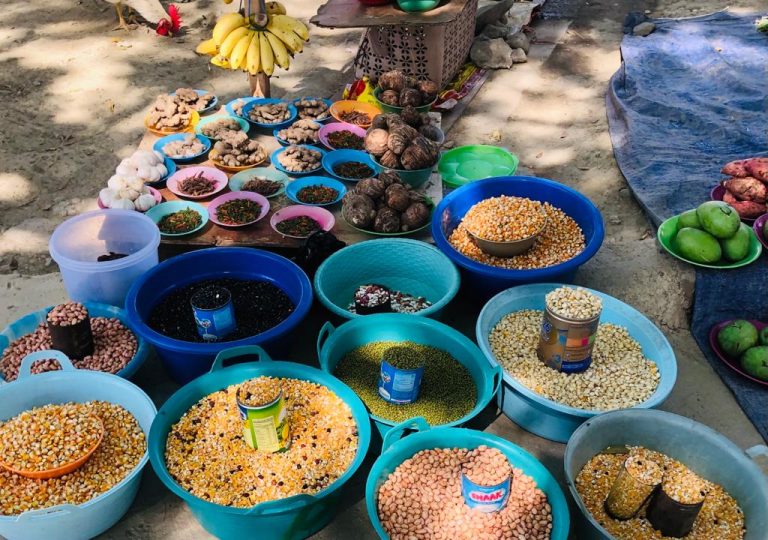
DILI, 27 september 2023 (TATOLI) – The World Food Program (WFP), in its Market Monitor Report of Food Security Analysis, revealed a decline in the food inflation rate from the high levels of Q1-2023 (11%) to 8% in june.
According to the latest Consumer Price Index (CPI) data provided by the National Institute of Statistics, the annual inflation rate for food and nonalcoholic beverages amounted to 8 percent in june 2023 amid high sugar, rice, and vegetable prices.
“This level marks a decline from the highs reached in the first quarter (11 percent in Q1 of 2023) and a year earlier, due to the sharp reduction of vegetable oil prices, which spiked in june 2022,” said the report.
Meanwhile, the report also revealed that El Nino is expected to negatively affect the affordability of food in Timor-Leste.
“The current El Niño state is expected to have a drying impact on Timor-Leste as well as in most of Southeast Asia, likely resulting in reduced crop production and thus low supplies. Given the country’s dependency on food imports, with an estimated 60 percent of food consumption needs covered by imports, the impact of El Niño on Timor-Leste is beholden to both domestic and external factors that will affect the affordability of food in the country. Not only will agriculture production decrease domestically, but also in exporting countries. This is likely to result in a low food supply and further increases in food prices. As a major staple in the country, this is particularly concerning for rice, which is also the main source of caloric intake for the vast majority of the population,” said the report.
The report also revealed that international rice prices rose in April and May 2023 amid tightened supplies in some exporting countries and declined in June, pressured by a slowdown in import demand.
“International rice prices reached a peak in May 2023 and eased in June but remained at very high levels amid low global supplies and strong demand.”
In addition, imported retail rice prices rose in April and May and remained stable in June at year-on-year higher levels (+9%), mirroring trends in the international market. Local rice prices peaked in June at US$1.66/kg (+46 year-on-year).
Moreover, retail prices of other food items showed mixed trends but were mostly above their year-earlier levels, especially sugar (+113%) following the introduction of new excise taxes in the country in January and of export bans in key exporting countries.
The World Food Program collaborates with the Ministry of Agriculture, Livestock, Fisheries, and Forestry, and the General Directorate of Statistics collects food price data on a weekly basis across the country’s main markets from thirteen municipalities.
Data has been collected since 2020 to monitor the impacts of COVID-19 climate change and global conflicts on market prices in Timor-Leste.
On average, around six traders per market are surveyed, targeted food commodities weighed, and their prices averaged per kilo.
Journalist: Filomeno Martins
Editor: Rafael Ximenes de A. Belo