


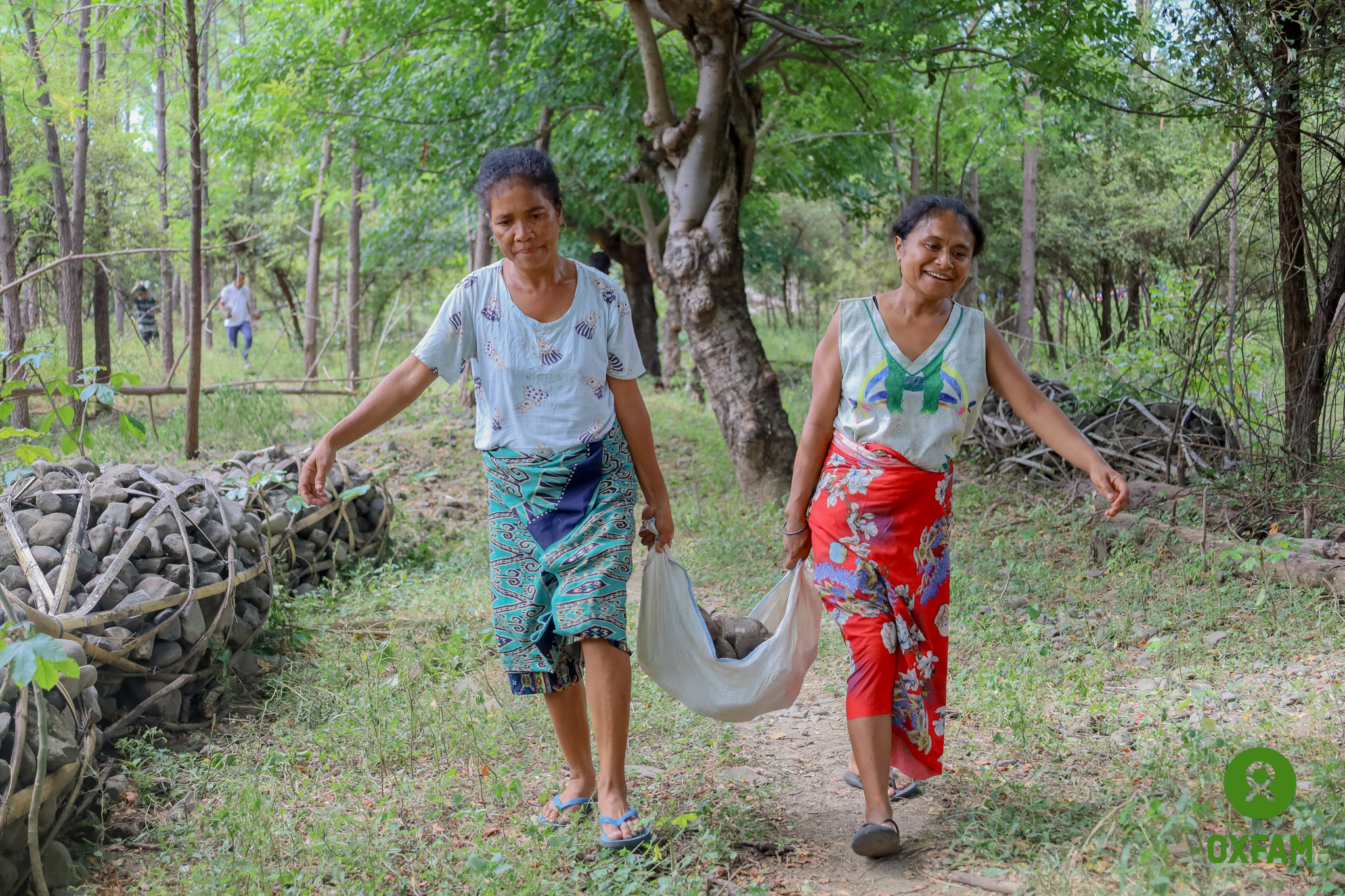
DILI, 16 may 2024 (TATOLI) – OXFAM organised a half-day national seminar on “Enahancing Community Resilience to Climate Change through Climate Finance.”
Oxfam’s Strategy and Engagement Coordinator, Adilsonio da Costa Junior, said that the seminar aims to bring together key stakeholders, including government agencies, civil society organizations, academia, and community representatives, to discuss opportunities, challenges and identify some critical solutions to better address the impact of climate change on the lives of communities, particularly the most vulnerable groups, such as women and people with disabilities (PWD).
“The seminar aims to create a platform for participants and guest speakers to share knowledge, experiences, and good practices on climate finance and building community resilience, with a focus on innovative approaches, partnerships, and lessons learned in national and international contexts. Through presentations, panel discussions, and interactive sessions, participants will explore opportunities and challenges in mobilizing climate finance at the local level, identifying priority areas for action, and promoting collaboration between the various stakeholders,’ said Costa.
Timor-Leste’s Climate Change Ambassador, Adão Soares Barbosa highlighted that climate change has impacted an unprecedented change to communities worldwide, threatening livelihoods, ecosystems, and the well-being of present and future generations.
He said the impacts of climate change are already being felt, with more frequent and intense extreme weather events, sea level rise, and disruption to ecosystem and agriculture.
“Climate finance has emerged as a critical tool for supporting adaptation and resilience–building efforts particularly in developing countries where the impacts of climate change are more extremely felt. However, accessing and effectively utilizing climate finance remains a significant challenge for many communities, particularly at the local level, due to limited capacity, resources, and institutional barriers,’’ he concluded.
Journalist: Camilio de Sousa
Editor: Filomeno Martins