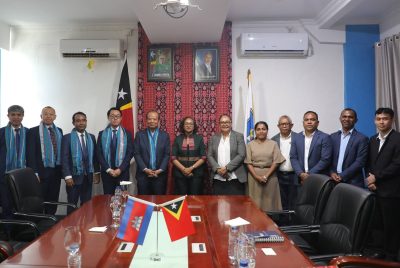




DILI, 18 july 2024 (TATOLI) – The WFP Programme marked its 25 years of presence in Timor-Leste with the inauguration of its new Country Office in the Pateo Complex, Colmera, Dili.
This is a significant milestone for the World Food Programme (WFP) in Timor-Leste as over the past quarter-century, WFP has evolved from providing emergency humanitarian assistance to fostering long-term development, nutrition, food security, and social protection initiatives committed to supporting Timor-Leste’s quest towards zero hunger.
From Emergency Relief to Building Resilience
WFP arrived in Timor-Leste in 1999, initially providing emergency food assistance to Internally Displaced Persons (IDPs) during the crisis following the referendum for independence from Indonesia.
This is the “Saving Lives” aspect of the WFP scope and through 2003, WFP continued to focus efforts on stabilizing communities and preventing the deterioration of food security by supplying essential food to those affected by annual natural disasters such as drought in the 2016 El Niño crisis, the COVID-19 pandemic in 2020, and the major floods in 2021.
Changing Lives
However, WFP has continuously adapted to Timor-Leste’s changing needs. The dual approach of “Saving Lives” and “Changing Lives” has aligned with the Government of Timor-Leste’s Programmes, its national goals and the United Nations Sustainable Development Goals, particularly SDG 2: Ending Hunger and Malnutrition.
By 2004, WFP’s focus shifted to School Feeding, Mother and Child Health, and Emergency Preparedness and Response. Between 2008 and 2013, WFP led the School Feeding Programme at the request of the Timorese government, ensuring vulnerable children received nutritious meals. This program addressed child malnutrition and encouraged school attendance and retention.
At the same time, WFP also provided logistic augmentation and capacity development for the Government of Timor-Leste, shifting focus from in-kind food assistance to capacity development and technical support in critical areas such as supply chain management.
All these initiatives have been aimed at “Changing Lives”, to build a more resilient and nutritionally secure future from the ground up, to focus on the root of the problem, to build a more sustainable model for the lives of the people of Timor-Leste.
Looking Ahead
Since 2014, recognizing the need for a holistic approach to food security, our Country Support Programme gradually expanded its mandate to include development programs.
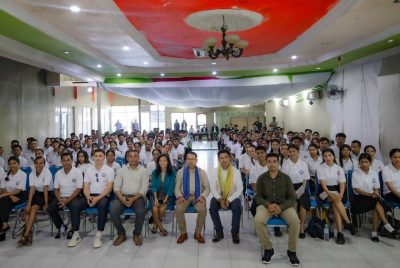
The school feeding initiatives that WFP has collaborated with the Ministry of Education and others have ensured that children receive nutritious meals and the energy to learn and and focus on their education.
“By investing in the next generation, the next generation of leaders, we are laying the groundwork for a more prosperous future” said Cecilia Garzon at the WFP office inauguration.
However, the “Changing Lives” initiatives have involved capacity development in support of health and nutrition, local food systems, and the strengthening of supply chains.
WFP has been working hand-in-hand with the Timorese government to help reduce malnutrition and stunting, by investing in a local development model that involves home-grown school feeding programs that not only serve the schools but are linked to the agriculture and commercial sectors and support economic and resilient value chain development in the light of climate change challenges.
Food insecurity and the dependence on imports due to the internal insufficient production capacity has led to the prevalence of malnutrition among women and children in Timor-Leste, which remains a major public health challenge and has led to a high level of Stunting in children, currently at 47% of the population.
Bridging the Gap with Social Protection
More recently, WFP has collaborated with the Government of Timor-Leste to establish more robust social protection systems, aimed to build resilience among vulnerable populations by providing targeted support and promoting self-sufficiency.
WFP is supporting the Ministry of Social Solidarity and Inclusion (MSSI) with a pilot project that provides cash-based transfers and nutritional support in the initial first 1000 days of the “womb-to-tomb” life cycle of targeted, most vulnerable Timorese citizens, especially Pregnant and Breastfeeding Mothers and their under 2 year-olds, to empower communities health-wise, in order to overcome their challenges and thrive throughout their lifetime.
Cecilia Garzon also expressed that “this 25th anniversary is not merely a commemoration of our past but also a celebration of our collective future. It is a moment to reflect on a remarkable journey marked by resilience, cooperation, and an unyielding commitment to the people of Timor-Leste. As we celebrate, WFP also remains steadfast in its mission to support Timor-Leste’s government toward a brighter future. WFP´s achievements would not have been possible without the collaboration and support of the local communities, the Timorese Government and our dedicated donors and partners. WFP´s success is their success. WFP hopes for a near future filled with many more successes.”
TATOLI
SOURCE: WFP