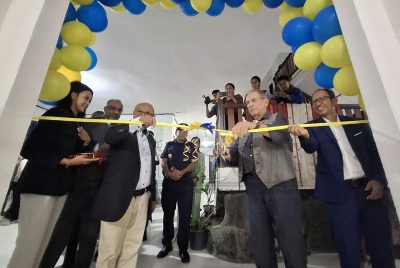



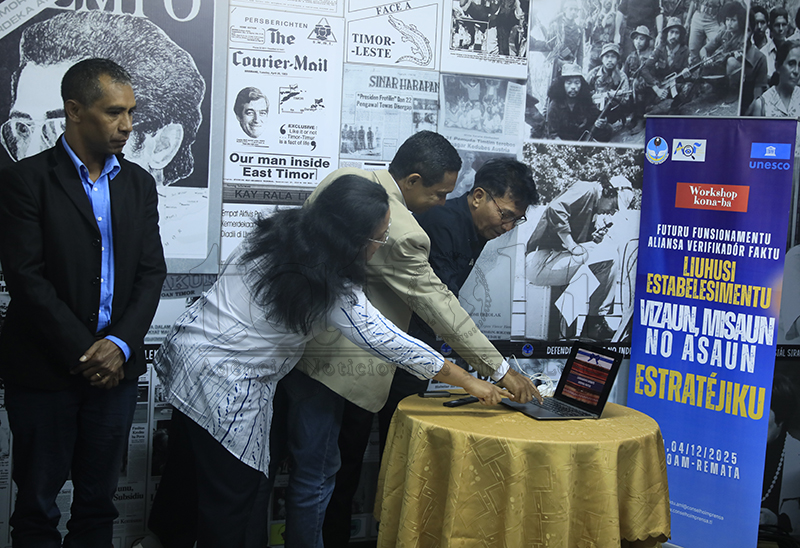
DILI, 04 December 2025 — Timor-Leste has launched a new fact-checking website on Thursday as part of its efforts to fight misinformation on social media.
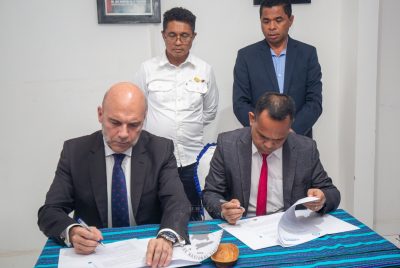
The initiative, unveiled by the Press Council (CI), the Secretariat of State for Social Communication, UNESCO, and the Timor-Leste Fact-Checking Alliance Team, aims to strengthen digital literacy and promote reliable information nationwide.
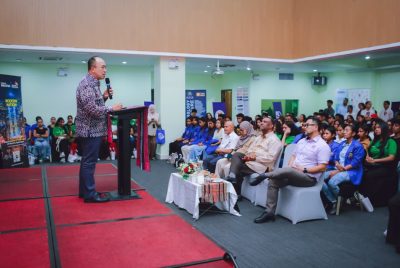
Press Council President António Cesar Mali said the new portal — https://verifikafaktus.tl/ — will serve as a key tool in identifying and correcting false content.
“We live in a digital era where information spreads rapidly, making access to messages, opinions, and news easier,” he said. “But not everything is true, and false or manipulated information often circulates widely.”
Mali said the Fact-Checking Alliance Team brings together journalists, civil society organizations, youth groups, university students, and individuals committed to fighting disinformation and missinformaiton.
Mali added that, in collaboration with UNESCO Jakarta, fact-checking training has been expanded to journalists, association members, civil society groups, youth organizations, and academics from eight universities. He said around 400 people have completed the training program, reflecting a shared national commitment to upholding information integrity.
Secretary of State for Social Communication Expedito Dias Ximenes warned that artificial intelligence technologies allow information to circulate faster than it can be verified.
He said AI also increases the risks associated with misinformation: “Disinformation now spreads more quickly.”
“Fake videos, falsified audio and images, and automated text can influence public opinion, damage reputations, undermine democratic processes, and threaten social stability.”
Ximenes explained that the fact-checking team has three core responsibilities. The first is to ensure accuracy and guarantee that the public receives verified information from trustworthy sources. The second is to strengthen digital literacy and encourage citizens to critically assess online content. The third is to reinforce public trust and protect the credibility of media institutions.
Jornalista: Ivonia da Silva
Editora: Isaura Lemos de Deus
Translation: Filomeno Martins