


By Ni Loh Gusti Madewanti, a Feminist Anthropologist, Project Manager Gender, Equality, Diversity and Inclusion (PM GEDI) Yayasan Humanis dan Inovasi Sosial (HUMANIS)
Development without consent
Misgoverned development in Timor-Leste is not just a policy failure. It is a slow, quiet dispossession of land, water, dignity and future. On the south coast, the symbols are already there: infrastructure built for a petroleum future that is still being politically chased, communities still waiting for the benefits they were promised, and new public money continuing to flow into the same corridor. In 2025, the Government approved another US$40.5 million for Tasi Mane. In 2026, it moved ahead with fresh procurement steps for another phase. Officials are still taking delegations to inspect Suai Airport, the supply base area and new housing sites. The project remains alive in state planning, even while its social legitimacy remains deeply contested.
Timor-Leste has every right to want development. The real question is simpler and harder: development for whom, decided by whom, and at whose expense? La’o Hamutuk (search more for Humanis’s partners collaboration on https://www.youtube.com/watch?v=7k2_ABCltaU&t=315s) warned years ago that many communities affected by Tasi Mane had little or inaccurate information because consultation and communication were inadequate. It also said later design changes were not properly taken back to communities, that environmental licensing moved under political pressure, and that promises to displaced families on land and housing were not kept. That is not participation. That is people being told to absorb the consequences of decisions made elsewhere.
This is also why people reach for words like corruption, nepotism and collusion. Not because every allegation has been proven in court, but because the pattern is familiar: large budgets, elite-driven decisions, weak scrutiny, broken promises and communities pushed to the margins. When public money moves faster than public information, distrust is not irrational. Humanis argues that injustice is built into extractives models that concentrate wealth and power. In that kind of system, corruption is not a side story. It becomes part of the development logic itself.
Climate crisis, empty tables
That top-down model is especially dangerous in a country already under climate pressure. La’o Hamutuk notes that 66 percent of Timorese households are engaged in subsistence agriculture and that farmers are already contending with inadequate water supply, poor infrastructure, high costs, prolonged dry seasons, reduced rainfall and frequent floods. Its warning is blunt: even under those conditions, Timor-Leste continues to prioritize a petroleum path and seeks to convert former food-producing areas into petroleum infrastructure. This is not only an economic gamble. It is a political choice about what kind of future deserves investment.
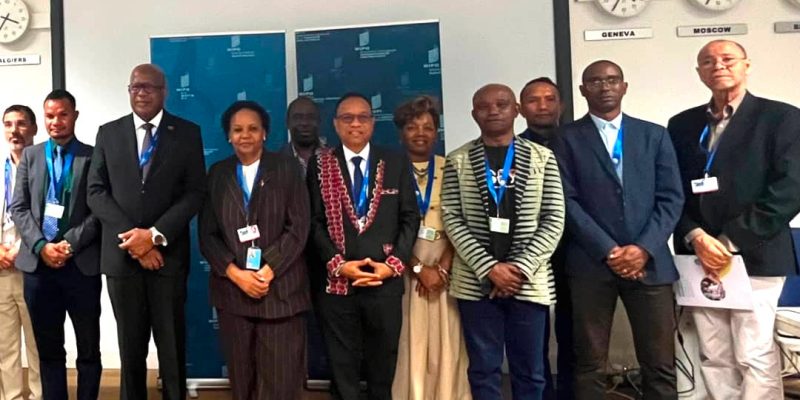
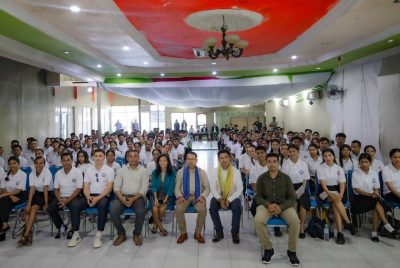
The November 2025 CSO meeting initiated by Humanis and La’o Hamutuk, discussed La’o Hamutuk’s research report on the impact of climate change on the agricultural sector and social issues. During discussion, La’o Hamutuk shared make that pressure even more concrete. They describe irregular rainfall, rising temperatures, drought, flooding, pest outbreaks and shifting planting calendars in municipalities such as Viqueque, Manufahi and Oe-Cusse. Farmers spoke of water shortages for both consumption and irrigation, crop losses, pest attacks and government support that often arrives late, in the wrong amount, or without listening to the people who actually work the land. In that context, each badly governed project does not sit beside the climate crisis. It sharpens it. Climate breakdown empties fields, and misgoverned development empties trust.
This is where the south coast debate stops being a story about prestige infrastructure and becomes a story about empty tables. Every dollar tied up in projects that do not strengthen water access, local agriculture, climate adaptation, health posts, schools and accessible public services has a social cost. In a rural country already vulnerable to food insecurity, the burden of that choice does not stay in ministry offices. It lands in kitchens, farms, water queues and households already living too close to the edge.
Women, children and disability: the hidden bill
A gender, equality, diversity and inclusion lens is not an optional add-on here. It is the only honest way to read the damage. Humanis says clearly that climate change hits women and girls, in all their diversity, hardest, while also pushing them to the margins of decision-making. Oxfam’s 2025 research in Timor-Leste reaches the same conclusion: women in rural communities carry the heaviest burdens as they juggle caregiving, food production and the search for water, while disability, poverty, remoteness, widowhood and other layers of marginalisation deepen risk. Just as important, Oxfam stresses that women are not passive victims. They are farmers, water managers and community leaders whose knowledge is essential to resilience.
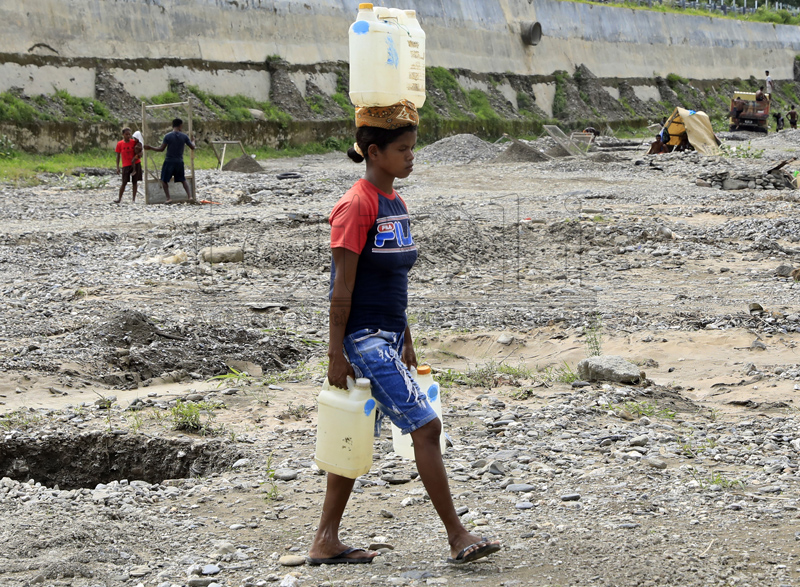
The hidden bill of bad development is often paid in women’s time, women’s bodies and women’s safety. La’o Hamutuk documents women and girls walking long distances for water, sometimes waiting into the night, exposed to harassment, physical assault and sexual abuse. Children miss school because they must fetch water, because there is no water to bathe, or because hunger and exhaustion have already reshaped the day. Climate stress also feeds violence at home, child labour, poor nutrition and ill health. So when the state fails to build water security and responsive local services, it does not erase the work of survival. It quietly transfers more of it onto women and girls.
This is why Humanis is right to insist that care is political (source https://humanis.foundation/publication/humanis-way-gender-climate-justice-strategic-guidelines/). Care is not a private inconvenience for mothers and daughters to absorb in silence. Care is infrastructure. If women must spend more hours finding water, replacing lost food, nursing sick relatives after floods, or shielding girls from violence on the road to a water source, then the state has already made a policy choice. It has simply hidden that choice inside unpaid female labour. Humanis argues that care work must be recognized, redistributed and built into planning and budgeting. That is exactly the point Timor-Leste needs to hear: if a project increases women’s unpaid labour, increases their risk, and reduces their voice, it is not development. It is displacement of cost.
In Timor-Leste, the cost of misgoverned development is not measured only in state budgets or unfinished promises. It is measured in women’s unpaid labour, children’s lost schooling, and the daily exclusion of people with disabilities from water, health, education and safety.
The same failure is even harsher for people with disabilities. They are not made vulnerable by climate alone. They are made vulnerable by design. Timor-Leste’s own disability rights assessment says rehabilitation services, wheelchairs, speech therapy and physiotherapy remain centralized in Dili; information about services often does not reach rural areas; many facilities lack ramps, handrails and accessible information; schools frequently exclude children with disabilities; and women and girls with disabilities face greater risks of harassment, physical violence and sexual violence. Public transport and infrastructure are often unsafe, especially for women with disabilities. Oxfam has also warned that the current climate policy framework still does not adequately address the rights, needs and priorities of people with disabilities. That is not inclusion. That is abandonment dressed up as planning.
Children are paying too. UNICEF says climate change in Timor-Leste already looks like damaged schools, dry water tanks, empty classrooms, washed-out roads and broken access to health care. It adds that for girls, young mothers and children with disabilities, the risks multiply, including greater exposure to gender-based violence and unsafe migration. That should force a basic question back into public debate: what exactly is development if a child still cannot get to school safely, drink clean water, or reach a clinic when disaster strikes?
From spectacle to sovereignty
This is why women, young people and persons with disabilities must be treated not as vulnerable afterthoughts, but as people with rights and power. A meaningful development process would begin with free, informed and continuous participation before contracts are signed and before land is taken. It would publish plans and impact information in Tetum and local languages. It would ask a harder question of every road, port, industrial zone or tourism project: does this reduce unpaid care work, lower the risk of violence, expand access, and improve water, food, health and education for those most often left out? Oxfam has called for broader community engagement and accessible climate information, while UNICEF argues that resilient, integrated social services are now urgent, not optional.
Timor-Leste does not need less ambition. It needs a different measure of ambition. Not how quickly a ribbon is cut, but how fairly risk is shared. Not how impressive a project looks from above, but whether life on the ground becomes safer, more equal and more dignified. The path forward is not to reject development. It is to reclaim it — from the boardroom back to the suku council, from elite spectacle back to democratic practice. A sovereign future will begin when major projects are shaped with the people whose land, labour, water and bodies will bear the consequences, and when those people — especially women, children and persons with disabilities — have real power to say yes, no, or not like this.
TATOLI