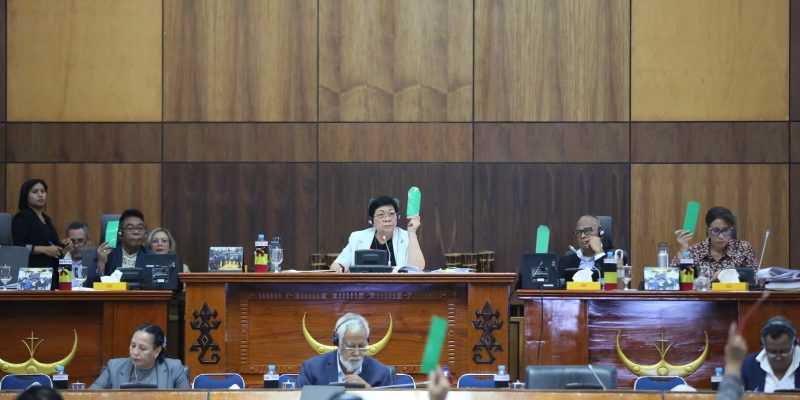



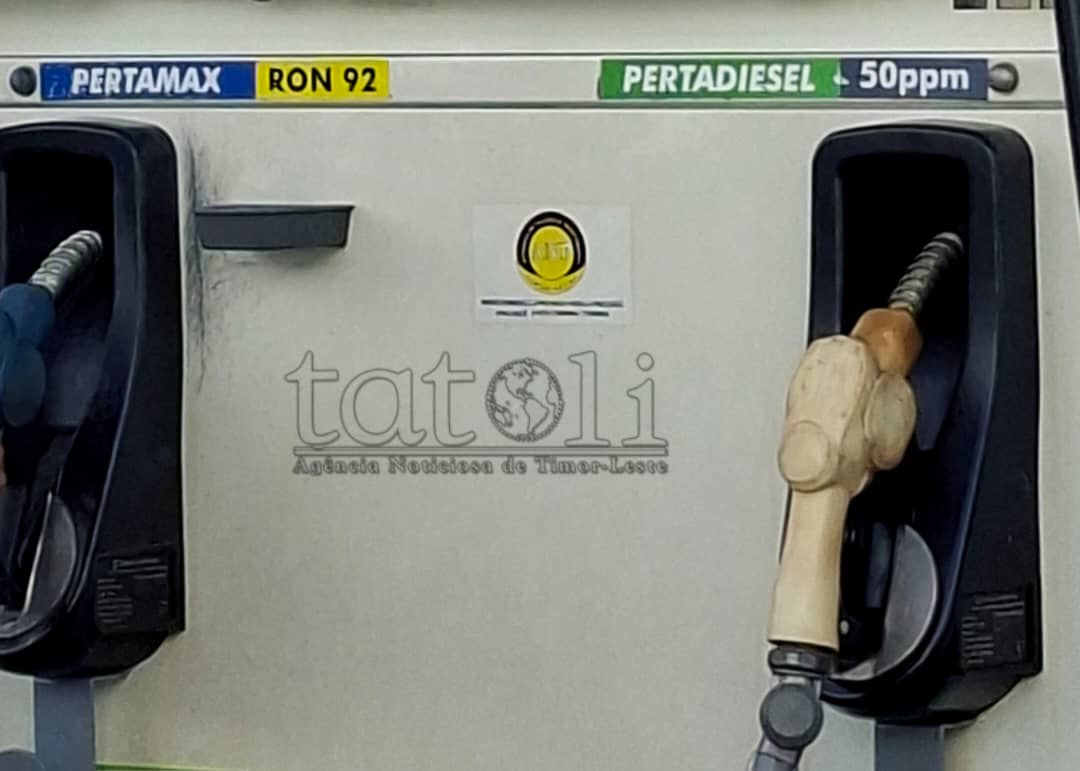
DILI, 01 April 2026 (TATOLI) — The Council of Ministers has approved a resolution authorizing the expenditure of approximately US$168.8 million for the purchase of 80 million liters of diesel.
The resolution, presented by Minister of Petroleum and Mineral Resources Francisco da Costa Monteiro.
The move is part of the government’s commitment to ensure national fuel security amid the conflict in the Middle East, which has driven up fuel prices worldwide, including in Timor-Leste.
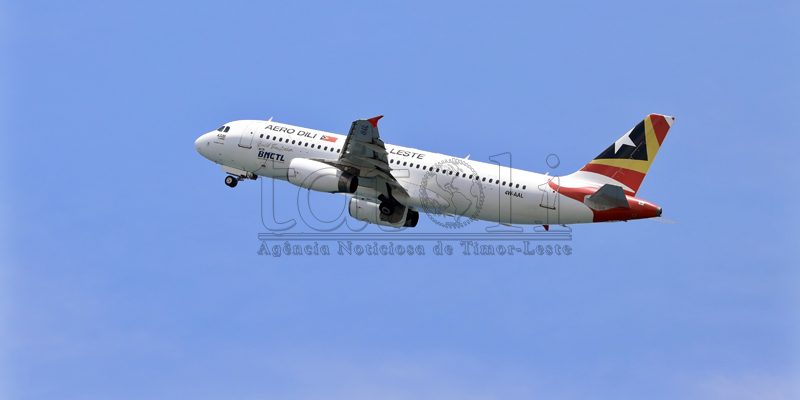
The government said the fuel procurement would proceed via an urgent direct award.
This decision aims to ensure that a self-sufficient security reserve is established by the end of the year, in anticipation of a potential fuel shortage resulting from the prolonged conflict in the Middle East.
Last week, the Council also approved a draft Decree-Law, presented by Minister Monteiro, introducing temporary measures to stabilise fuel prices and secure the country’s fuel supply. According to the Government, the legislation seeks to “mitigate the effects of current international instability on the energy sector, safeguard households’ purchasing power, reduce the impact of potential price increases on the economy, and ensure the smooth operation of economic activities, while maintaining fuel availability across the country.”
The Decree-Law establishes maximum retail prices, setting the cap for gasoline at US$1.50 per litre, diesel at US$1.65 per litre, aviation fuel (jet fuel) at US$2.50 per litre, and liquefied petroleum gas (LPG) at US$4.20 per kilogram.
To ensure compliance with these limits, importers are required to report their actual import costs, which will form the basis for calculating government subsidies funded through the General State Budget.
The legislation also provides measures to maintain supply continuity, including strategies for importing essential fuels through cooperation between public institutions and industry operators, and the option to implement exceptional market regulation mechanisms.
Authorities’ powers are being strengthened to enforce these measures, with a focus on preventing the diversion of subsidised fuel outside the country and applying penalties for non-compliance.
The Government said these measures are temporary and will remain in force until the end of the year, subject to review, extension, or termination depending on international market developments.
Journalist: Camilio de Sousa
Editor: Filomeno Maritns