


DILI, 14 April 2026 (TATOLI) – The government of Timor-Leste is stepping up efforts to modernise agriculture and increase rice production through mechanisation initiatives in the municipalities of Aileu and Ainaro.
The Minister of Agriculture, Livestock, Fisheries, and Forestry, Marcos da Cruz, led activities on April 9–10 aimed at promoting the use of modern farming equipment and improving productivity as part of a broader sector reform strategy.
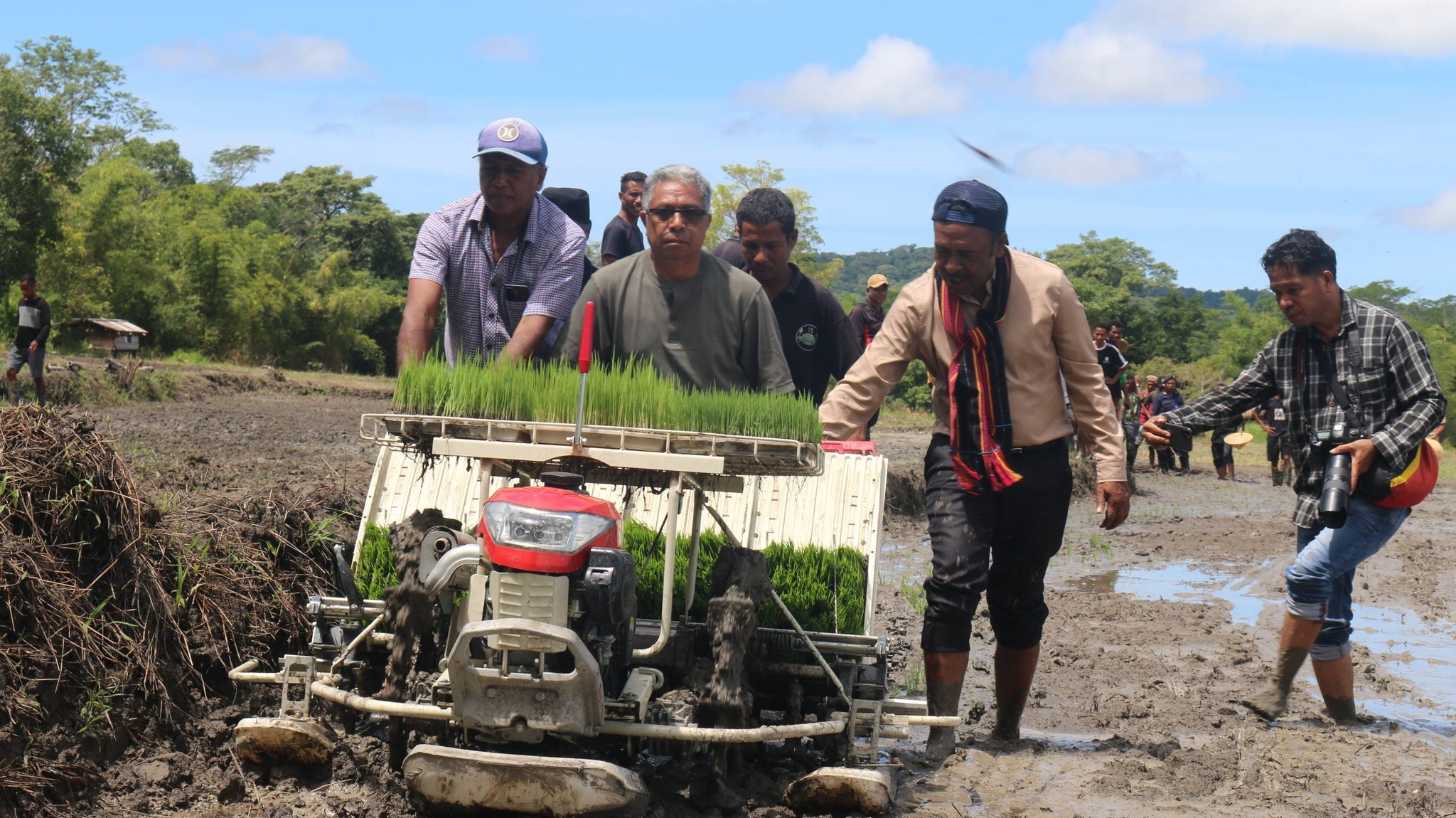
In Aileu, authorities launched a mechanised rice planting campaign covering 17 hectares in Aslimhati village, Hoholau suco. The initiative is supported by an irrigation system built in 2025, which enables a more reliable water supply and facilitates the use of agricultural machinery.
Speaking at the event, the minister stressed the need to increase agricultural output and strengthen food security through improved farming practices and expanded mechanisation. He also highlighted the importance of identifying key challenges faced by farmers to boost productivity and better align production with market demand.
The president of the Aileu municipal authority welcomed the support for farming communities and urged responsible use of the equipment provided, as well as closer coordination between farmers and agricultural extension services.
On April 10, the minister visited Ainaro, where a similar mechanised rice planting activity was carried out using tractors and other equipment supplied by the ministry. The intervention focused on previously abandoned farmland that has been rehabilitated through watercourse management and land preparation.
During the visit, the minister also inspected a site designated for the planned Loegolo irrigation system, which is expected to support agricultural production and improve water access for farming areas.
The initiatives form part of broader government efforts to revive agricultural land and increase national output by expanding mechanisation, improving irrigation infrastructure and providing direct support to rural communities.
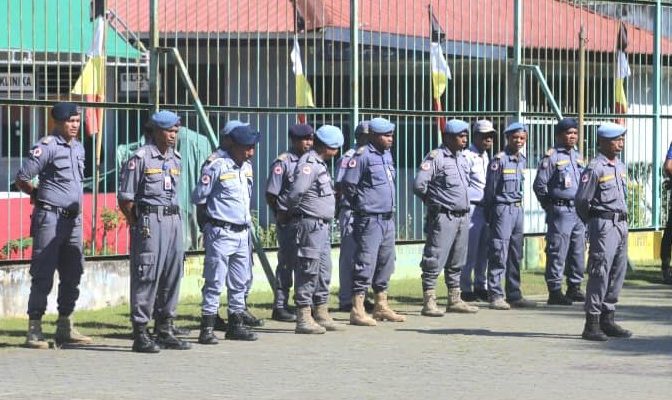
Municipal authorities, agricultural technicians, security personnel and local communities, including farmers and community leaders, took part in the activities.
TATOLI