


China’s Pinglu Canal creates new trade opportunities for ASEAN
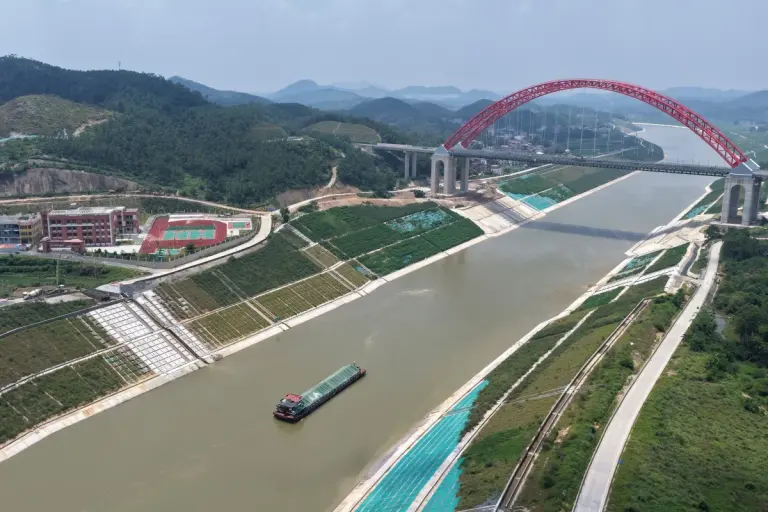
DÍLI, 18 September 2026 (TATOLI) — China’s newly opened Pinglu Canal strengthens trade links between southwestern China and ASEAN by providing a shorter connection to the sea and potentially lowering transportation and logistics costs.
The 134.2-kilometre waterway, which began operations on 16 September, connects Nanning in Guangxi with Qinzhou Port on the Beibu Gulf. The canal can accommodate vessels of up to 5,000 tonnes and is designed to improve access between inland areas of China, regional markets and international shipping routes.
For Timor-Leste, ASEAN’s newest member, the canal could offer another avenue for reaching China’s large consumer market, particularly for exports such as coffee, seafood and agricultural and marine products.
The waterway’s location in Guangxi gives it a strategic role in regional connectivity. The southern Chinese region borders Vietnam and has long-standing commercial links with mainland Southeast Asia, making it an important gateway for trade between China and ASEAN.
The canal shortens shipping distances by more than 560 kilometres and reduces logistics costs by an estimated 18 to 30 percent. It is also projected to save about 5 billion yuan ($690 million) annually in transportation costs.
Construction of the canal began in 2022 and was completed at an estimated cost of 72.7 billion yuan. It is described as China’s first state-planned river-to-sea canal and forms a key part of the Western Land-Sea New Corridor, a transport network linking western and southwestern China with ports and markets in Southeast Asia and beyond.
The corridor is also associated with the Belt and Road Initiative, China’s infrastructure and connectivity programme aimed at expanding transport, trade and economic links with countries around the world.
For developing economies in Southeast Asia, better transport connections can help address some of the logistical challenges involved in accessing major markets. Lower shipping distances and costs could also make regional supply chains more efficient and create additional options for exporters and importers.
Timor-Leste joined ASEAN as its 11th member in October 2025 and is seeking to deepen economic ties with fellow member states as well as external partners. Improved regional connectivity could give Timorese businesses additional options for exporting products to China while supporting access to Chinese goods, services and investment.
TATOLI