


Timor-Leste steps up screening campaign to prevent non-communicable diseases
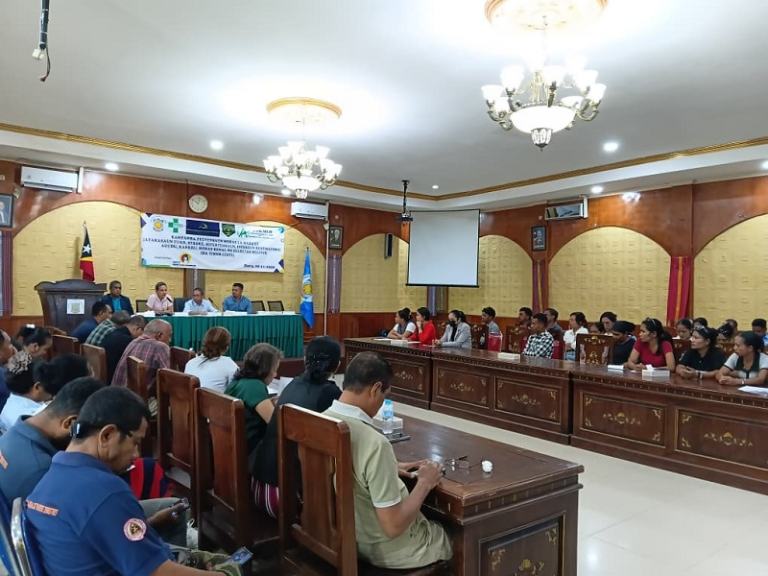
DÍLI, 20 November 2026 (TATOLI) — The National Alliance for Tobacco Control in Timor-Leste (ANCT-TL), in partnership with Guido Valadares National Hospital (HNGV) and the World Health Organization (WHO), has organised a public health awareness and screening campaign to promote the prevention and early detection of non-communicable diseases (NCDs).
The campaign, targeting employees of the Ministry of Transport and Communications in Dili, focused on cardiovascular diseases, diabetes, high blood pressure and breast cancer.
ANCT-TL Executive Director Sancho Fernandes said the initiative aimed to encourage public servants to adopt healthier lifestyles, reduce their risk of developing NCDs and undergo regular health checks to identify potential health problems at an early stage.
He said the campaign promoted preventive measures, including quitting smoking, reducing alcohol consumption, engaging in regular physical activity and participating in health screening programmes.
The initiative forms part of broader efforts by ANCT-TL and its partners to raise awareness of NCDs among government employees.
Fernandes said similar campaigns had previously reached about 500 public servants from the ministries responsible for education, commerce and tourism, and youth, sport, arts and culture.
Through these activities, health workers identified 27 employees with medical conditions, including respiratory and lung diseases, hypertension and diabetes. The individuals were subsequently referred to health centres for treatment and further medical follow-up.
Clinical oncologist at HNGV Maria Adalziza Mesquita, who delivered a session on breast cancer awareness during the campaign, warned that NCDs were becoming an increasingly significant public health challenge in Timor-Leste.
She said the country was facing a double burden of disease, with communicable illnesses such as tuberculosis continuing to affect the population while cases of NCDs were also increasing. This growing burden has contributed to a greater need for patients to seek specialised medical treatment overseas.
Mesquita called for closer collaboration between the Ministry of Health, ANCT-TL and other organisations to strengthen public awareness and preventive healthcare, particularly among government employees.
She stressed that prevention should be prioritised over treatment, urging institutions to work together to reduce the risks associated with NCDs.
The oncologist explained that cancer can be linked to genetic factors as well as lifestyle choices, including tobacco use and alcohol consumption.
According to data presented by Mesquita, HNGV’s Oncology Directorate recorded 245 cancer patients in 2025. Breast, liver, lung, thyroid, blood-related cancers, including leukaemia, and cancers affecting the digestive system, particularly the stomach, oesophagus and intestines, were among the most frequently diagnosed.
Hospital records showed that between 2018 and 2023, HNGV registered 231 breast cancer cases, 52 lung cancer cases and 81 liver cancer cases.
Between 2024 and 2025, the hospital recorded 47 breast cancer patients, 39 lung cancer patients and 58 liver cancer patients.
Mesquita also raised concerns about breast cancer affecting younger women, noting that cases had been identified among patients aged between 18 and 40.
She identified several potential risk factors, including a family history of breast cancer, hormonal changes, menstruation before the age of 10, not breastfeeding, a first pregnancy after the age of 30 and menopause after the age of 60.
The specialist advised women to seek medical attention if they notice warning signs such as lumps in the breast or armpit, changes in breast skin colour or texture, nipple retraction, differences in breast size, yellowish or bloody nipple discharge, or sores on the breast.
She encouraged women to check their breasts regularly, maintain a healthy weight, adopt healthier lifestyles and seek medical assessment whenever they notice unusual changes.
The campaign highlights the importance of strengthening preventive healthcare and early detection as Timor-Leste seeks to address the growing burden of non-communicable diseases.
Jornalista: Afonso do Rosário
Editor: Isaura Lemos de Deus
Translation: Filomeno Martins