



DILI, 28 january, 2022 (TATOLI)–The International Organization for Migration (IOM) agreed to support the Government of Timor-Leste to focus on projects to combat human trafficking in the country.
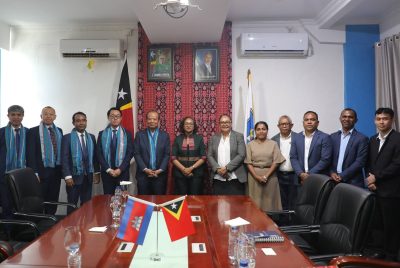
Following the statement released by the IOM, the Agreement initiates a one-year project funded by the Government of Timor-Leste and implemented by IOM that focuses on strengthening law enforcement and the capacity of border officials to deal with human trafficking.
One record says Timor-Leste is a source and destination country for men, women, and children who are subject to forced labor sexual exploitation, and domestic help. The COVID-19 pandemic and natural disasters have worsened the socio-economic outlook in Timor-Leste.
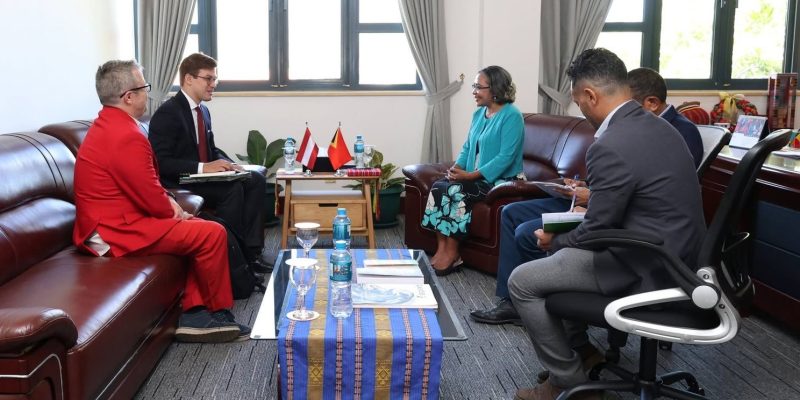
IOM’s Head of Mission, Aishath Ihma Shareef, thanked the Government of Timor-Leste for its cooperation with IOM.
“We are grateful for the Government’s strong commitment to fighting human trafficking through this project. This initiative is only one component of several aspects of trafficking that need to be addressed and IOM remains steadfast in supporting the Government and partners in the country,”
“IOM as part of its mandate as the United Nations Migration agency will focus on supporting the achievement of the Sustainable Development Goals (SDGs); namely SDG 16 (peace, justice, and strong institutions),” she said.
The statement also outlined increases the risk of trafficking in persons which correlates with fraudulent labor recruitment practices for vulnerable migrants and Timorese citizens wishing to work abroad.
“Therefore promoting safe migration and fighting organized crime requires strong intervention by both the police and immigration officers with special capabilities to investigate and prevent trafficking in persons both within the country and at its border points.”
Deputy Minister of Home Affairs His Excellency Antonio Armindo said that the government is committed to taking responsibility for fighting trafficking in persons, adding that through collaboration with IOM, the aim is to improve the technical capacity and skills of law enforcement agencies such as police and immigration officers, enabling them to detect and prevent trafficking-related activities in Timor-Leste.
“Thus to show the world that Timor-Leste is committed to combating activities related to human trafficking,” he said.
A key aspect of the project is supporting efforts to ensure appropriate legal and referral mechanisms so that victims of trafficking in persons have access to justice.
The project will also include training on the sensitivity of law enforcement agencies to adequately assist vulnerable migrants and raise awareness of trafficking as a serious crime and human rights violation.
Journalist: José Belarmino De Sá
Editor: Nelia B