


DILI, 31 July 2025 (TATOLI) – Timor-Leste is strengthening its diplomatic efforts to tackle the global climate crisis, as the country faces growing climate-related risks.
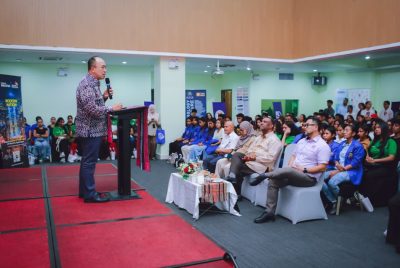
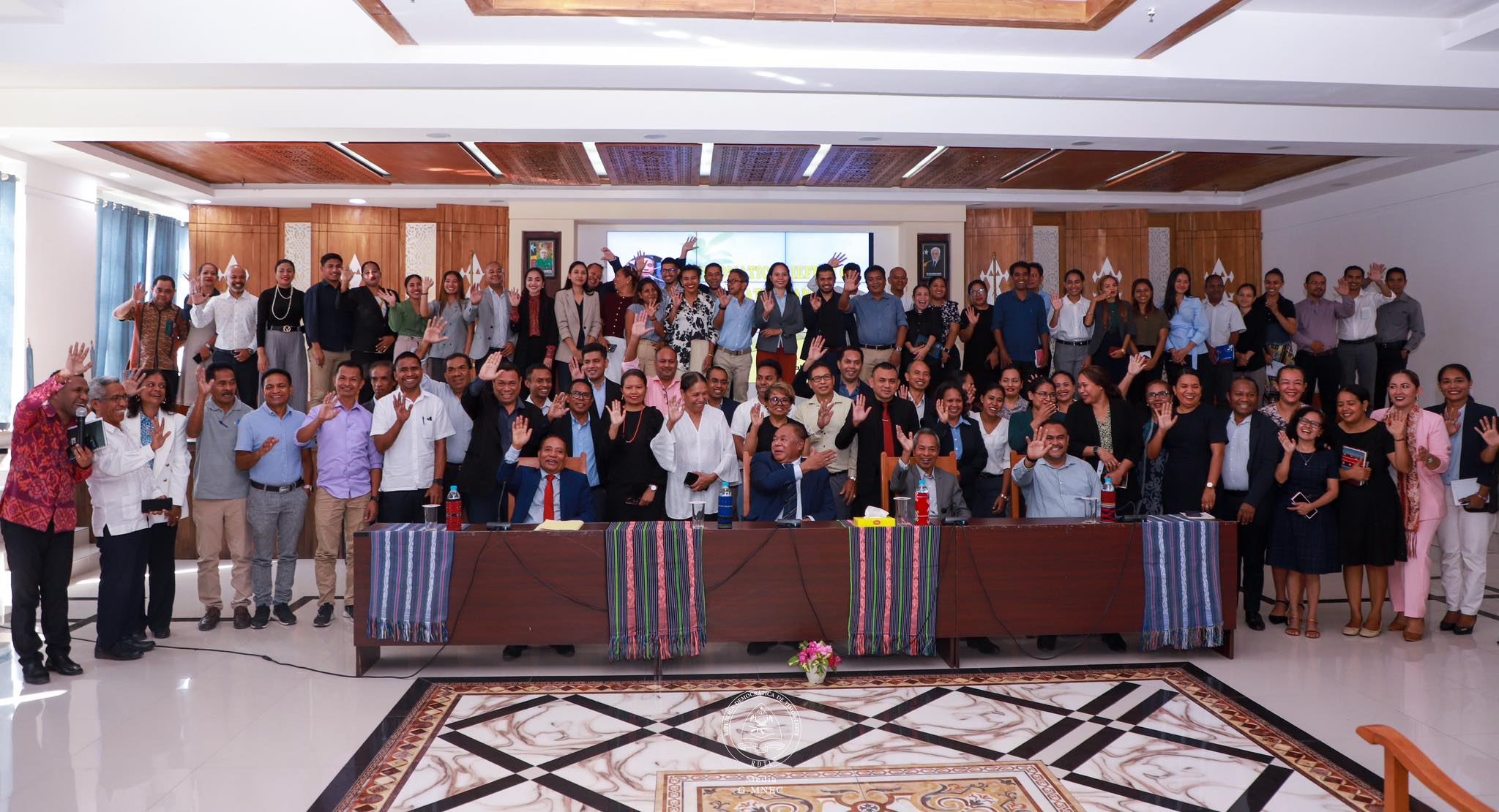
The Ministry of Foreign Affairs and Cooperation hosted a seminar in Dili titled Diplomatic Briefing on Climate Change, aimed at helping Timorese diplomats better understand climate change and its impact.
Foreign Minister Bendito Freitas said it is vital for diplomats to be well-informed and ready to represent the country on climate issues.
“It is essential for our diplomats to understand climate change,” Freitas said. “This training keeps them updated and prepared to respond to new challenges, especially ahead of key events like COP30 in Brazil and the UN General Assembly in September, where climate change will be a major topic.”
Timor-Leste’s Climate Ambassador, Adão Barbosa, presented an in-depth analysis of the country’s climate vulnerabilities. He highlighted extreme rainfall leading to floods, long droughts, coastal erosion, sediment buildup, and rising sea levels—all of which are affecting the country’s economy and the daily lives of its people.
“We are facing real and increasing threats,” Barbosa said. “Our position is guided by the UN Climate Convention, which recognizes that while climate change affects everyone, developed and developing countries have different levels of responsibility.”
Barbosa stressed the need for climate justice, noting that Timor-Leste produces just 0.003% of global greenhouse gas emissions, yet suffers disproportionately from the impacts.
“Climate justice must be defined at the international level,” he said, “so that vulnerable countries like Timor-Leste can access global, regional, and bilateral funding for adaptation, mitigation, and rebuilding efforts.”
He ended with a call for stronger global action—especially from the world’s biggest polluters—to reduce emissions and honor the Paris Agreement.
“Our goal is to reach carbon neutrality by 2050 and keep global temperature rise below 1.5°C,” Barbosa warned. “If we fail, we will face more extreme droughts, unpredictable rainfall, food insecurity, and widespread poverty.”
TATOLI