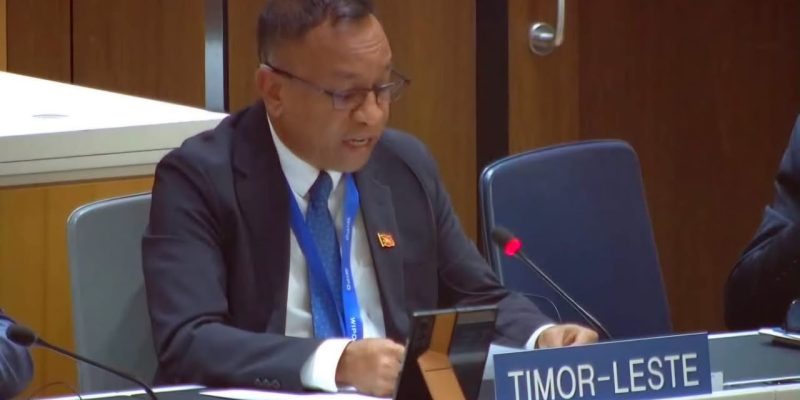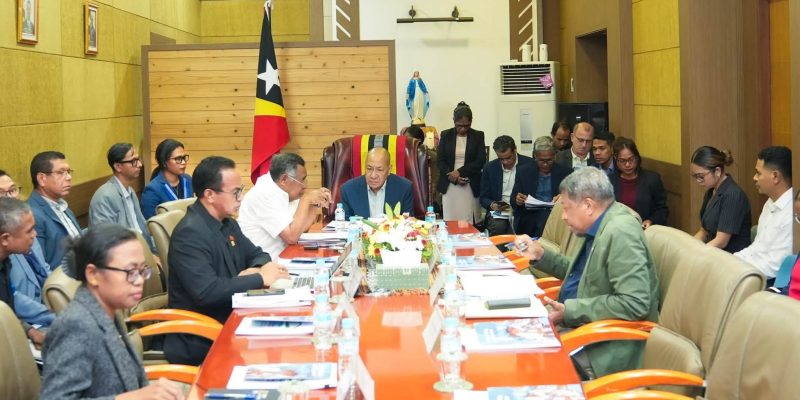



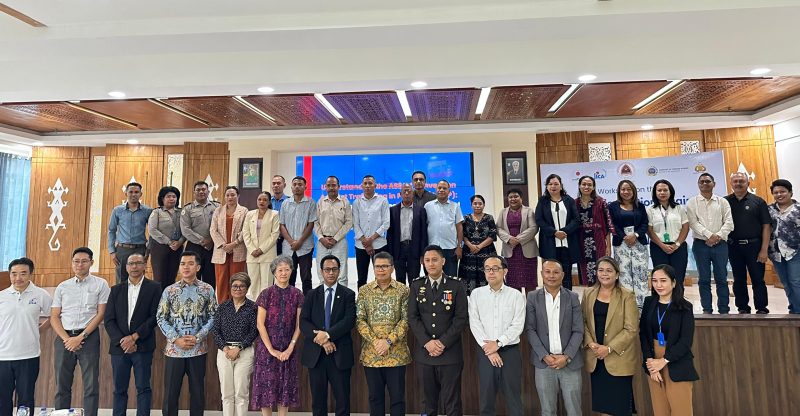
DILI, 27 August 2025 (TATOLI) — The Ministry of Foreign Affairs and Cooperation (MNEC), in partnership with the JICA ASEAN Project and in collaboration with the Ministry of Justice, hosted a three-day workshop titled “Introduction to the ASEAN Convention Against Trafficking in Persons, Especially Women and Children (ACTIP)” from August 26 to 28, 2025, at Salão Nobre, MNEC, Dili.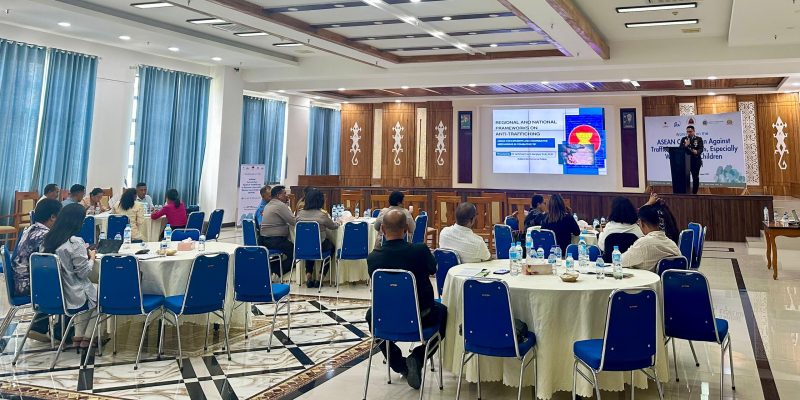
The workshop convened government officials, law enforcement agencies, local non-governmental organizations, and relevant partners to strengthen national and regional cooperation in preventing and combating human trafficking.
The workshop aimed to deepen understanding of ACTIP’s key provisions –prevention, prosecution, protection, and partnership –and their implementation, drawing on the Indonesian experience shared by an expert facilitator. This initiative is part of Timor-Leste’s ongoing preparations to become the 11th member state of ASEAN.
Opening remarks were delivered by Elisa da Silva, Director General for ASEAN Affairs at MNEC, who emphasized ACTIP as a critical milestone in Timor-Leste’s ASEAN accession and a strong commitment to protecting vulnerable populations, especially women and children.
Sakai Yuki, Deputy Head of Mission at the Embassy of Japan in Timor-Leste, reaffirmed JICA’s support for Timor-Leste’s ASEAN integration and Japan’s broader commitment to combating human trafficking through cooperation, capacity building, and regional partnerships. The Ambassador of the Republic of Indonesia to Timor-Leste also reiterated Indonesia’s dedication to working with Timor-Leste, ASEAN, and other partners to uphold human dignity and combat trafficking in persons.
Minister of Justice Sérgio Hornai formally opened the workshop, underscoring Timor-Leste’s commitment to preventing trafficking, protecting women and children, and aligning national policies with ASEAN conventions.
The workshop was led by Achmad Haris Sanjaya of the Indonesian National Police and featured three thematic sessions:
- Day 1: Overview of ACTIP principles, commitments, implementation mechanisms, and ASEAN’s regional cooperation frameworks.
- Day 2: Analysis of gaps between Timor-Leste’s national legislation and ACTIP provisions, with lessons learned from Indonesia’s anti-trafficking practices and real case studies.
- Day 3: Focus on interagency coordination and international cooperation strategies.
Participants gained practical insights into ACTIP, explored case studies from Indonesia, and received guidance on implementing the convention in Timor-Leste. The workshop reinforced the country’s commitment to preventing trafficking and advancing regional collaboration.
Journalist: Camilio de Sousa
Editor: Rafael Ximenes de A. Belo