


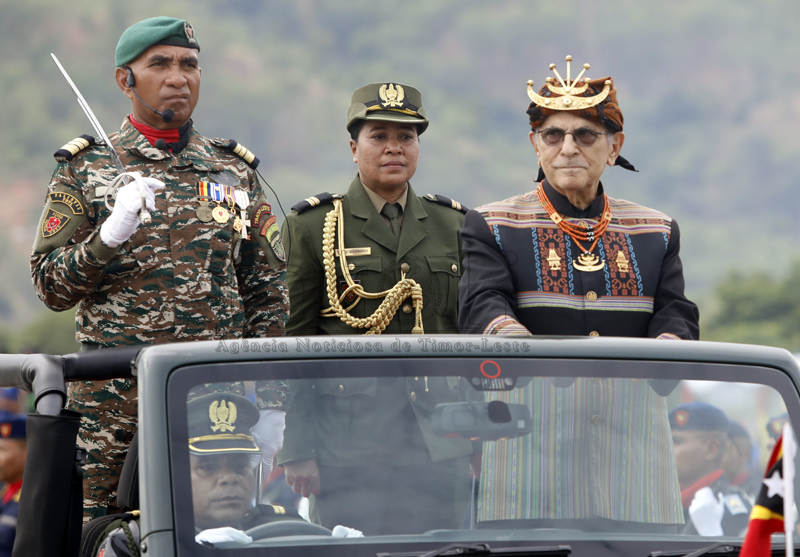
DILI, 20 May 2026 (TATOLI) — President José Ramos-Horta said Timor-Leste must remain deeply engaged with the international community, warning that isolation would be “the most costly mistake” the young nation could make.
Speaking during celebrations marking the 24th anniversary of the restoration of independence in Dili, Ramos-Horta said international engagement was essential for Timor-Leste’s security, economic growth and regional standing.
“For a young nation such as Timor-Leste, isolation is the most costly mistake we could ever make,” he said. “Isolation costs us investment, it costs us security, and it costs us our place at the table where the future of Southeast Asia is decided.”
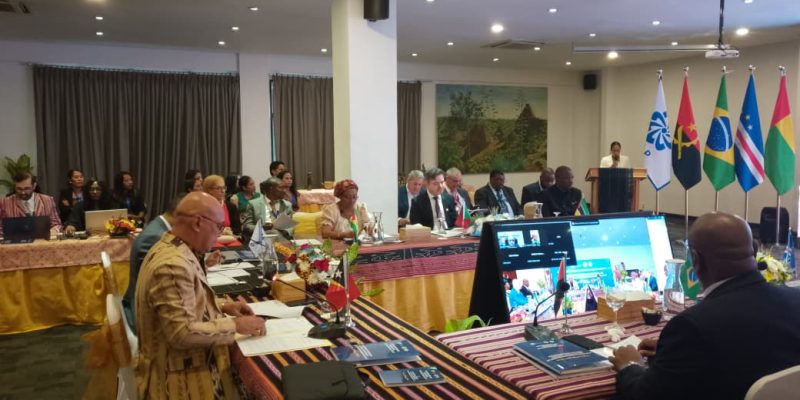
The president has therefore said that Timor-Leste intensified its diplomatic outreach from the beginning of his mandate, strengthening ties with ASEAN member states, CPLP countries, the G7 and the United Nations system.
“At the beginning of my mandate, I undertook the commitment to project Timor-Leste into the world,” Ramos-Horta said.
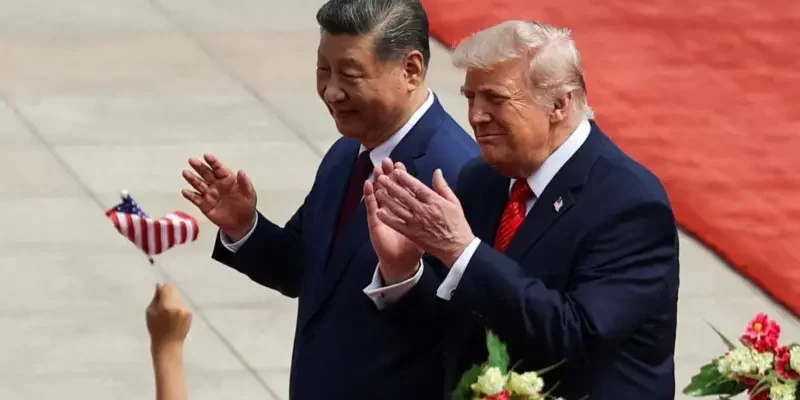
He said the country had re-established strategic international connections and expanded engagement with partners including Australia, China, the United States and India.
Ramos-Horta noted that he had held more than 100 high-level meetings with presidents, monarchs and senior leaders from countries including Indonesia, Japan, China, France, Portugal, Singapore, Vietnam and the United Arab Emirates.
“These are not merely numbers,” he said. “They reflect a paradigm shift: Timor-Leste has ceased to be only a country that receives international support and has become an actor that participates, engages, and proposes.”
The president also stressed the importance of regional cooperation with Australia’s Northern Territory and Indonesia’s East Nusa Tenggara (NTT) province, describing the area as a naturally integrated sub-regional space linked by geography, culture and economic interests.
He said stronger cooperation in transport connectivity, tourism, trade, investment and border security would bring direct benefits, particularly for communities living in border areas.
Ramos-Horta added that Timor-Leste’s relationship with Indonesia had continued to strengthen across areas including border negotiations, education, technical training, health, science and governance.
“The mobility of entrepreneurs, workers, academics, and tourists between our countries is a clear sign of the vitality of relations between our peoples,” he said.
The president also highlighted several major investment projects which he said demonstrated the economic impact of Timor-Leste’s international partnerships.
He pointed to the shipbuilding project in Laleia, Manatuto, developed in partnership with Tsuneishi Shipbuilding Co., as a strategic initiative aimed at economic diversification and workforce development.
According to Ramos-Horta, the project is expected to employ around 4,000 Timorese workers by 2027 while providing technical training opportunities both domestically and abroad.
He said dozens of Timorese professionals were already working in the company’s design department, with several trainees having completed specialised training programmes in Japan and the Philippines.
The president also highlighted the construction of Timor-Leste’s first large-scale solar power plant in Laleia, developed by a consortium led by EDF and ITOCHU.
The project includes a 72 MW photovoltaic plant, battery storage facilities and transmission infrastructure expected to generate approximately 134 GWh of clean energy annually.
Ramos-Horta stressed that stronger international cooperation, including ASEAN membership, would create opportunities for the country’s young population and help ensure a more prosperous and resilient future.
TATOLI