


DILI, 21 May 2026 (TATOLI) — Timor-Leste’s National Parliament has begun a series of public hearings on a proposed amendment to the 2026 State Budget, focusing on urgent measures to strengthen energy security and ensure stable fuel supplies amid global market volatility.
The hearings, organised by the parliamentary standing specialised committees, will assess the first amendment to Law No. 8/2025 of 27 November on the 2026 State Budget. Government officials and senior public administration leaders are taking part to present and clarify the proposed changes.
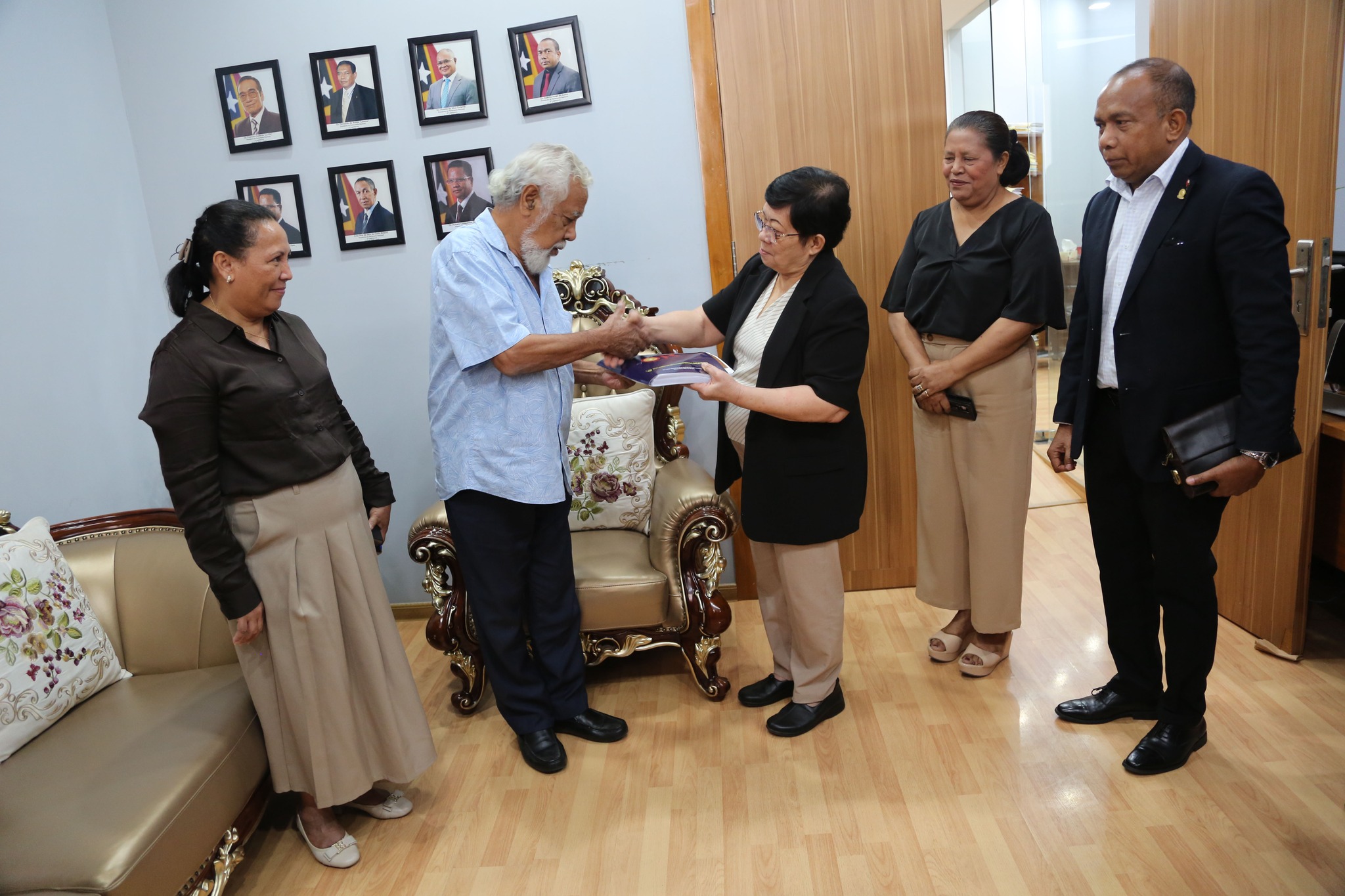
The revised budget proposal was submitted to Parliament on 15 May by Prime Minister Kay Rala Xanana Gusmão and handed to House Speaker Maria Fernanda Lay, in the presence of Finance Minister Santina José Rodrigues F. Viegas Cardoso, Deputy Finance Minister Regina de Jesus, and Deputy Minister for Parliamentary Affairs Adérito Hugo da Costa.
The public hearings are scheduled for 21, 22 and 25 May and will examine adjustments approved by the Council of Ministers on 13 May.
The proposal highlights rising instability in global energy markets, stating that “the current international geopolitical context, marked by high instability in energy markets, resulting in particular from the conflict in the Middle East, has caused sharp fluctuations in international oil prices.”
It further notes that “the current international situation is marked by serious geopolitical instability arising from the armed conflict in the Middle East,” adding that disruptions in supply chains, shipping routes, sanctions and sudden price changes in hydrocarbons pose risks to countries dependent on fuel imports.
The proposal stresses the importance of securing diesel reserves, stating that “the guarantee of strategic reserves of diesel is fundamental to ensure the uninterrupted operation of the national electricity system,” while warning that potential shortages could affect households and businesses and undermine social and economic stability.
It also states that “it is necessary and urgent to adjust the forecasts made under the 2026 State Budget and the respective budget allocations” to allow additional fuel procurement.
According to the explanatory report, Timor-Leste remains highly exposed to external shocks due to its dependence on imports, particularly fuel, transport and food. It notes that the government has introduced “a targeted and temporary fiscal adjustment” to cushion the immediate impact of global price pressures while maintaining medium-term fiscal sustainability.
The revised budget package totals US$271 million and includes measures for energy security through the creation of a National Strategic Fuel Reserve worth US$174.3 million, aimed at ensuring up to seven months of electricity production for EDTL.
It also provides US$42 million for fuel subsidies to stabilise prices and protect household purchasing power.
Other allocations include US$5 million for food security through increased rice stockpiles, US$3 million for recruitment of 400 PNTL cadets, US$2 million for international commitments linked to Timor-Leste’s CPLP presidency, US$3.9 million for notary services reform and operations, and US$40.9 million for a contingency reserve to respond to external shocks and supply risks.
With the revision, the consolidated 2026 budget increases by US$101.1 million, rising from US$2.291 billion to US$2.392 billion. The increase is not financed through additional Petroleum Fund transfers but through reallocation of state financing sources, including cash balances, inactive bank accounts and increased domestic revenue.
The Ministry of Finance said macroeconomic conditions remain broadly resilient despite external pressures, noting that average inflation fell to 0.5% in 2025 and is projected to rise to 2.2% in 2026 due to import-driven pressures.
However, it said government subsidies are expected to partially cushion external price shocks and help protect household purchasing power, particularly for vulnerable groups.
The proposal also emphasises urgency, stating that delays could threaten continuous fuel supply to essential services and electricity generation, potentially affecting national grid stability and economic activity.
Parliamentary hearings will continue over the coming days before further debate and a plenary vote on the budget amendment.
TATOLI