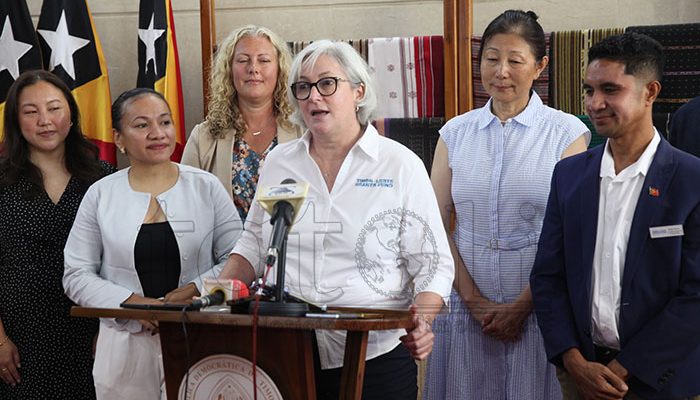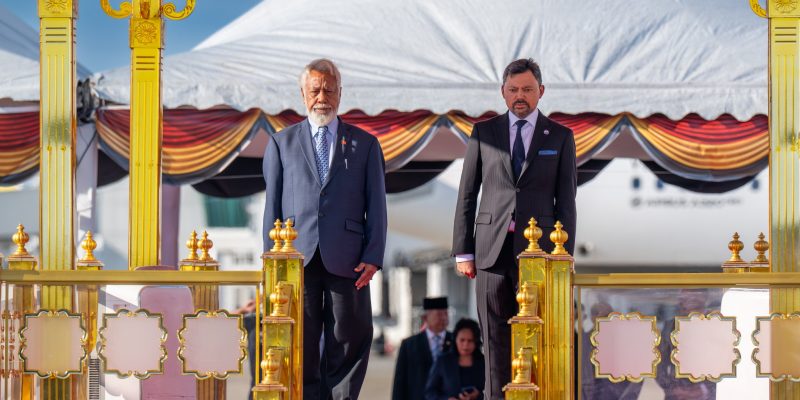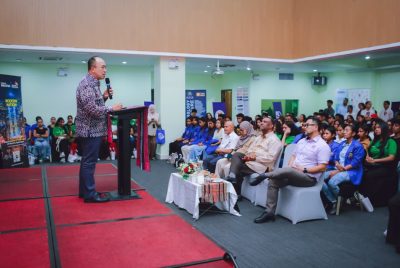



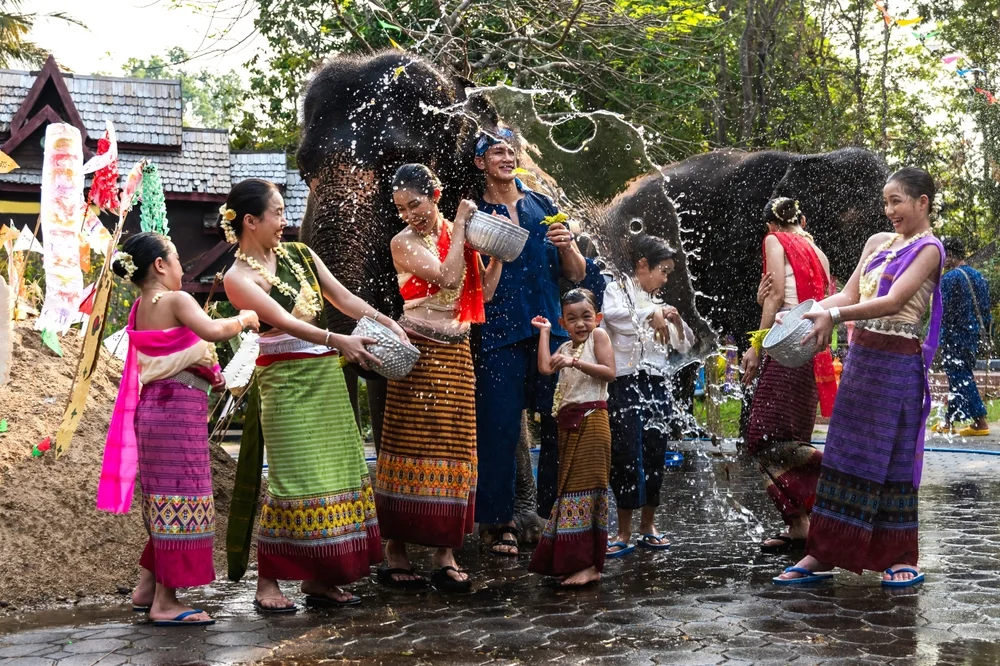
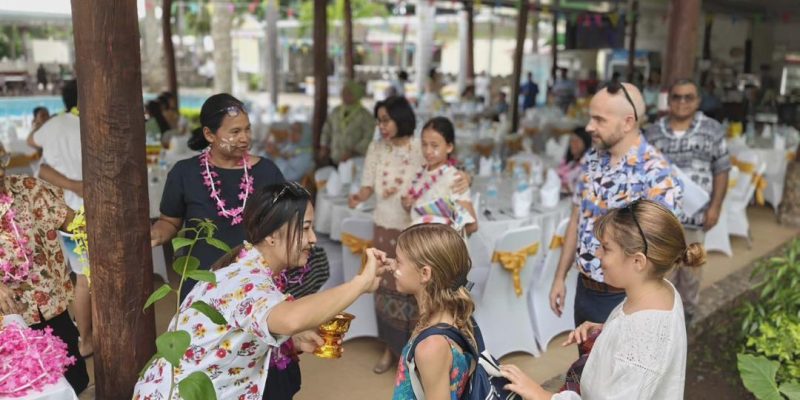
DILI, 11 April 2026 (TATOLI) — The Royal Thai Embassy in Timor-Leste, together with the Thai community and Timorese people, celebrated Songkran, the traditional Thai New Year festival, on Friday in Dili, highlighting cultural heritage, renewal, and community ties.
Thailand’s Ambassador to Timor-Leste, Atipat Rojanapaibulya, welcomed guests and members of the Thai community, encouraging participants to celebrate with joy and a spirit of peace.
In his remarks, the ambassador said Songkran is an ancient Thai tradition observed for centuries.
He said the term “Songkran,” derived from Sanskrit, means “movement” or “transference,” referring to the sun’s transition from one zodiac sign to another. Primarily marking the sun’s transition into Aries and the start of the Thai New Year.
The festival is part of a broader Southeast Asian tradition celebrating the astrological solar new year and it is traditionally observed over three days: April 13 (Mahasongkran Day), marking the end of the old year; April 14 (Nao Day), the transitional day; and April 15 (Thaloengsok Day), which marks the beginning of the new year.
Songkran, celebrated annually as Thailand’s water festival, combines religious practices — including merit-making and the ceremonial washing of Buddha statues — with festive water-splashing activities that symbolize purification, renewal, and the washing away of misfortune.
“Water is used as a symbol to cleanse bad luck and sins from the previous year, representing purification and new beginnings,” Rojanapaibulya said.
In December 2023, UNESCO inscribed “Songkran in Thailand, the traditional Thai New Year festival” on its Representative List of the Intangible Cultural Heritage of Humanity, recognizing its cultural significance.
The event was attended by the Chief of Staff of the Presidency of Timor-Leste, Henriqueta Maria da Silva, former Timor-Leste’s ambassador to Thailand, Joaqim Amaral, members of the diplomatic corps, the Thai community, and other invited guests.
Journalist: Camilio de Sousa
Editor: Filomeno Martins