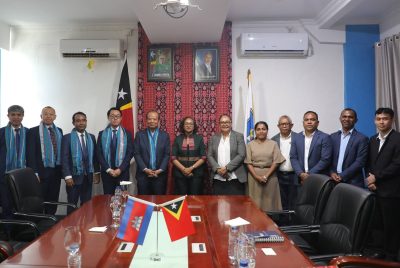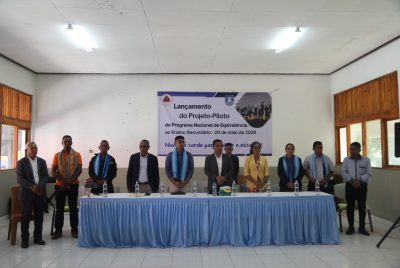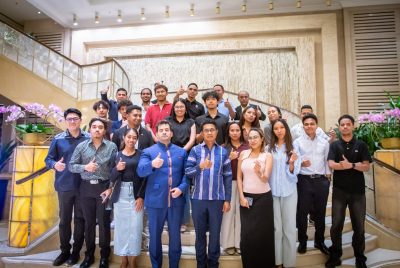




DILI, 04 august 2022 (TATOLI)-Timor-Leste National Electricity Authority. I.P (NAE I.P) and Partners discuss the draft law on the regulation of renewable energy investment to be submitted to the Government.
President of NAE.I.P, Ruben Jerónimo Freita, said the discussion was aimed at gathering feedback and comments from partners on the proposed renewable energy investment in the bill.
“Today we discussed with partners about the renewable energy bill related to government policies in the development of the energy sector, the bill developed by technical staff focused on investment arrangements, licensing and certification to be distributed to the company” Ruben Jerónimo Freitas, President of ANE, I.P told reporters in the Suai Room, Timor-Plaza, Comoro, Thursday.
Freitas said Timor-Leste would have investments in renewable energy that would reduce energy costs, and contribute to minimizing electricity costs.
According to Freitas bill number 49, allowed NAE.IP to invest in all renewable energy resources including solar, water, win, biofuels, waste, solar power, etc.
“In Timor-Leste, people are very dependent on electricity which has a high impact on conventional energy sources, so renewable energy can complement the energy that is currently available in the country,” he said.
Freitas said it was important to invest in renewable energy to adapt to technology and ensure the replacement of conventional energy sources.
President of Electricity Timor-Leste, Paulo Da Silva said the renewable draft law was a positive step for Timor-Leste in the future.
“ANE.I.P has policies related to the electricity sector that focus on alternative energy. We must have a decree law because it is necessary to guide us to renewable energy,” he said
According to Paul, every year Timor-Leste has a high cost of energy expenditure: “This helps us to reduce the cost of spending by using alternative environmental energy resources or non-conventional energy resources,” he said.
Renewable energy is energy from sources that are naturally replenished but whose flow is limited; Renewable resources are virtually inexhaustible in duration but are limited in the amount of energy available per unit of time.
The main types of renewable energy sources are Biomass, Hydropower, Geothermal, Wind, and Solar.
This renewable energy is used by 11 countries in the world including Norwich, Sweden, Costa Rica, Scotland, Nicaragua, Germany, Uruguay, China, Morocco, and others, of these countries Norway is the country with the highest share of renewable energy in the world. world, according to new data.
Journalist: José Belarmino De Sá
Editor: Nelia Borges