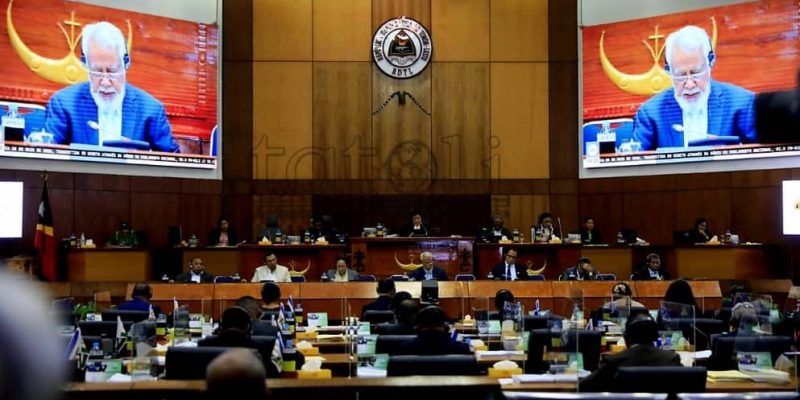



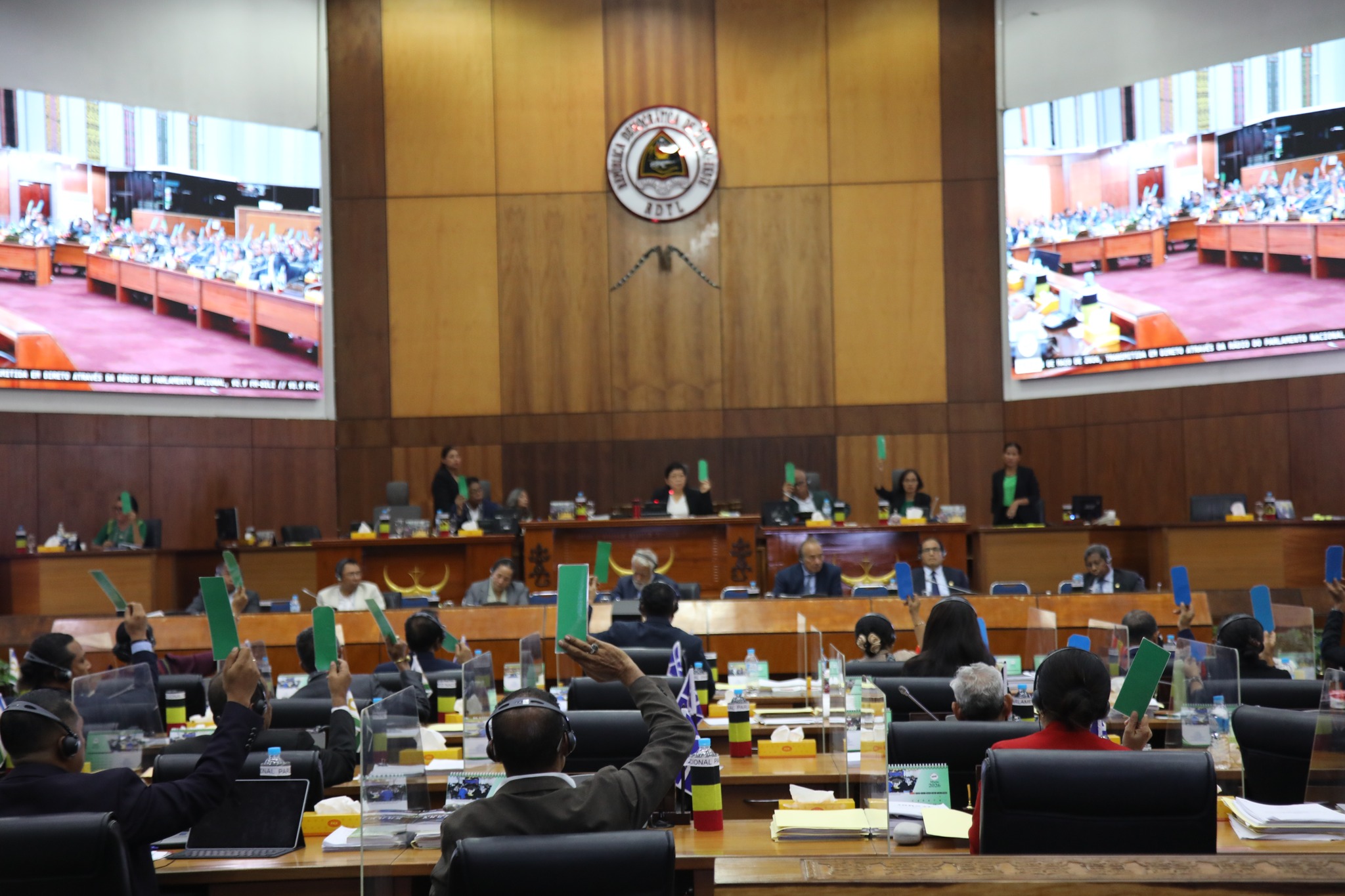
DILI, 28 May 2026 (TATOLI) – The National Parliament on Thursday approved in general terms the government’s proposal for the first amendment to Law No. 8/2025 of November 27, which sets the framework for the 2026 State Budget. The rectified budget proposal was approved with 42 votes in favour, zero against, and 23 abstentions.
The rectification budget proposal is designed to respond to the impact of current global conditions, including geopolitical instability and fluctuations in international energy markets. It introduces measures aimed at strengthening national energy security, stabilising fuel prices, and ensuring the continued operation of essential public services.
During his address to the plenary session on Wednesday, Prime Minister Kay Rala Xanana Gusmão said budget discussions go beyond figures and financial data, stressing that their ultimate purpose is to promote national development and improve citizens’ welfare.
Among the key measures in the amendment is the establishment of a national strategic fuel reserve valued at US$174.3 million, intended to secure around seven months of fuel supply for electricity generation. The proposal also includes a US$42 million fuel subsidy programme aimed at cushioning the impact of rising international fuel prices on households and businesses.
Additional provisions cover food security measures, including the reinforcement of rice stocks at the National Logistics Centre, increased resources for the recruitment of cadets into the National Police of Timor-Leste (PNTL), expenditures linked to Timor-Leste’s Presidency of the Community of Portuguese-Speaking Countries (CPLP), and an increase to the state contingency reserve.
With the revision, the consolidated 2026 State Budget rises by US$101.1 million, from US$2.291 billion to US$2.392 billion. The increase is not financed through additional withdrawals from the Petroleum Fund but through adjustments in state financing sources, including treasury balances, available bank account balances, and higher domestic revenue collection.
During the parliamentary debate, the Prime Minister reaffirmed the government’s commitment to national transformation, regional integration, and inclusive development. He said the government would continue investing in infrastructure, public services, agriculture, tourism, private sector support, and youth employment opportunities.
Xanana Gusmão also underscored Timor-Leste’s commitment to regional and international integration, stating that membership processes and partnerships, including ASEAN accession, World Trade Organization (WTO) membership, cooperation within the CPLP, and engagement with neighbouring and development partners, are “not symbolic.”
Following its general approval, the proposal will now proceed to detailed discussion from May 29 to June 2, before a final global vote on the first amendment to Law No. 8/2025.
TATOLI