


Ai ba Futuru project distributes certificates to 60 successful trainees
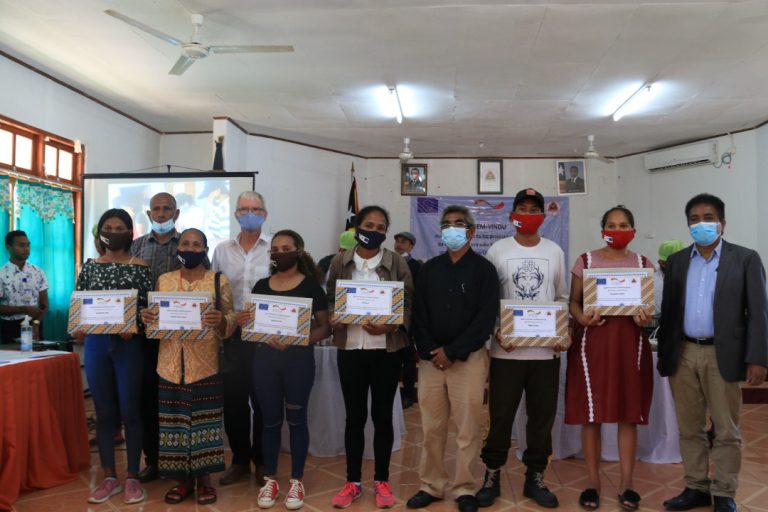
DILI, 02 november, 2021 (TATOLI)-Ai Ba Futuru distributed graduation certificates to 60 trainees to complete their training at the Comoro Youth Vocational Training Center (YVTC).
The participants consisted of Timorese youth from Leuro, the municipality of Lospalos.
According to a statement released by GIZ, the practical training which was held for 15 days focused on making hygienic jam from mango, orange, papaya, pineapple, banana, pumpkin, and peanut.
“We believe that the youth and women who have been trained now have the qualifications to cultivate their agroforestry commodities such as pumpkin, banana, cassava, mango, sweet potato, pineapple, papaya, and others with hygienic standards for their consumption. This is an alternative source of income to improve the family’s economy.” STVJ director, Norberto da Costa said.
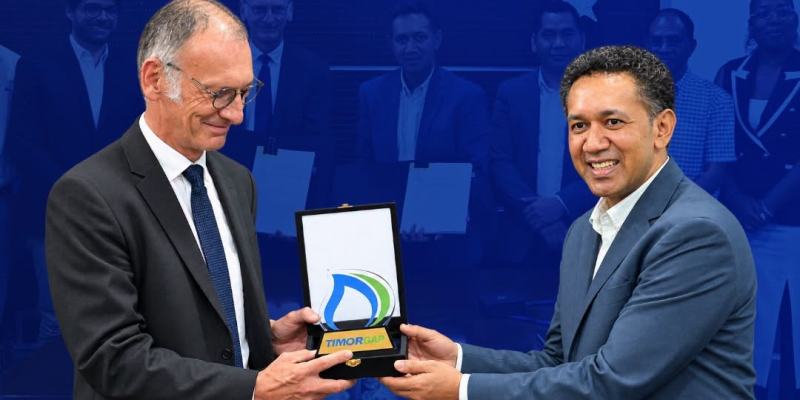
At the same time, GIZ Coordinator and Project Director, Rainer Schellhaas said he was proud that these participants were qualified to process a variety of hygienic foods.
“I am very pleased that the 60 women and young participants of this small grant initiative are now qualified to prepare a wide variety of foods of good quality. This training program will not only diversify their daily diet but also improve family nutrition. The participants can even set up their own small business in the food processing industry and can contribute to the daily family income,” he said.
It is known that the Ai ba Futuru Project is being implemented in four municipalities (Baucau, Lautem, Manatuto, and Viqueque), targeting 4,000 marginalized households in 40 selected villages.
This will increase the agroforestry area in Timor-Leste by 6,000 hectares, with a total planting of three million trees. Targeted participants benefit from increased production, better job opportunities, and better market access, resulting in higher incomes.
This training program is included in the Ai Ba Futuru program funded by the European Union (EU) and Germany International Organization (GIZ) with total funding of 14.2 million € million from the EU and 5 million € from GIZ.
Journalist: José Belarmino De Sá
Editor: Nelia B