



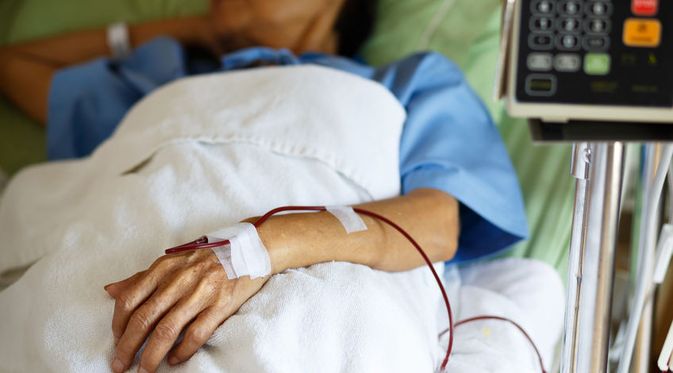
DILI, 08 march 2022 (TATOLI)-Bairru-Pité Clinic reported 18 active leochemical patients and one fatality due to suffering of leochemical Cancer.
Leochemical Cancer is a blood cancer caused by the body producing too many abnormal white blood cells. Can occur in adults and children white blood cells are part of the immune system produced in the bone marrow.
Manager of Bairru-Pité, Inácio dos Santos informs that one of the Oleochemical Cancer patients in Suai, Covalima municipality has died in last february 2022. The patient fatality due on the patient has stopped treatment in Bairru-Pité clinic and moved to Suai municipality.
“We lost a patient in the last two weeks in Suai. The patient has stopped for medical treatment for more taking medicines for blood Cancer,” explained Inácio at Bairru-PitéClinic, this monday.
The patient is about 25 olds, female, and was diagnosed of blood cancer with Chronic myeloid leukemia (CML) type and has been on treatment for three years.
“The patient stopped taking medication for the past five months and according to a report from the Covalima Municipal Health Center that she lost her life,” he said.
Bairopité Clinic Manager explained, Oleochemical Cancer has four different types consisting of Acute lymphoblastic leukemia (ALL), Acute myeloid leukemia (AML), Chronic lymphocytic leukemia (CLL) and Chronic myeloid leukemia (CML).
Leukemia occurs when blood cells change and become cancerous. These changes cause cells to become abnormal and grow uncontrollably. Different from normal blood cells, blood cells affected by cancer lose their function to clot blood and fight infection.
Bairopité Clinic data shows there are 18 active cases of Oleochemical Cancer, of which the majority suffer from blood Cancer with the type of chronic myeloid leukemia (CML) which requires regular treatment.
In the process itself, the patient must be followed up, meaning that every six months, he/she must perform laboratory tests using a polymerase chain reaction (PCR) machine.
“We have sufficient drugs to treat Leukemia CML treatment, we are also collaborating with the National Hospital and the National Laboratory to increase detection for this disease,” Inácio dos Santos said.
According to the Cancer Care Community report, Chronic myeloid leukemia (CML) is treated with targeted therapy, namely tyrosine kinase inhibitor drugs (eg imatinib, nilotinib, dasatinib, etc.), interferon (drugs that resemble part of the immune system to reduce the growth and division of leukemia cells), chemotherapy, radiation therapy, stem cell transplantation.
Thus, when a patient is allowed to receive targeted therapy, the blood diagnosis will be conducted by the doctor. It is required to focus on physical examinations, and other tests such as bone marrow and PCR, at least every 3 months in the first year of treatment. This is done to find out how the response to targeted therapy.
Journalist: José Belarmino De Sá
Editor: Rafy Belo