


WMO requests every country to apply early warning and early action
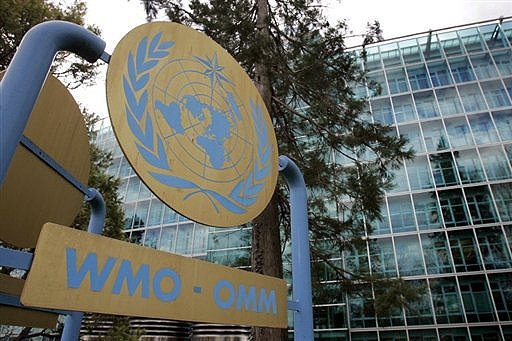
DILI, 23 march 2022 (TATOLI)-The World Meteorological Organization (WMO) on World Meteorological Day calls on all countries to implement early warning systems as a proven and effective adaptation measure to prevent natural disasters.
A press release that was accessed by Tatoli explained, extreme weather, climate, and water are becoming more frequent and intense as a result of climate change.
More people are exposed than ever to various dangers. One in three people is still not adequately covered by the early warning system. And, too often, the warning doesn’t reach those who need it most. Therefore, World Meteorological Day on 23 march 2022 takes the theme of Early Warning and Early Action and highlights the importance of hydrometeorological and climate information for disaster risk reduction.
In a video address at the World Meteorological Day ceremony, United Nations Secretary-General António Guterres called on all member states to announce a major new initiative on early warning that is essential for climate change adaptation.
WMO General-Secretary, Petteri Taalas said climate change was already very visible through more extreme weather around the world.
WMO is seeing more intense heat waves and droughts and wildfires. More water vapor in the atmosphere, leading to extreme rainfall and deadly flooding. Oceans trigger stronger tropical storms and rising sea levels are increasing their impact.
“We hope this negative trend will continue. The Early Warning System is a proven and effective adaptation measure, which saves lives and livelihoods,” he said.
The WMO report on disaster statistics for the past 50 years shows that more than 11,000 disasters related to weather, climate, and water-related hazards between 1970 and 2019, almost equal to one disaster per day.
There are 2 million deaths – or 115 per day. The number of disasters has increased fivefold in the last 50 years. And the economic costs are soaring. The trend is expected to continue.
However, the number of victims has fallen drastically – almost three times – thanks to better weather forecasts and more coordinated disaster management planning.
Supercomputers and satellite technology have facilitated a major leap in our forecasting capabilities and the emergence of user-tailored services, backed by decades of research.
There is stronger international, regional and national coordination, offset by active community mobilization. But much more remains to be done.
There are large gaps in weather observations, especially in the least Developed Countries and Small Island Developing Countries.
This gap poses a risk to the accuracy of early warnings locally and globally. This is why WMO is spearheading initiatives to strengthen early warning, improve surveillance, and build resilience.
Journalist: José Belarmino De Sá
Editor: Rafy Belo