


CAC, UNODC, and MoH commit to preventing corruption in health-sector procurements
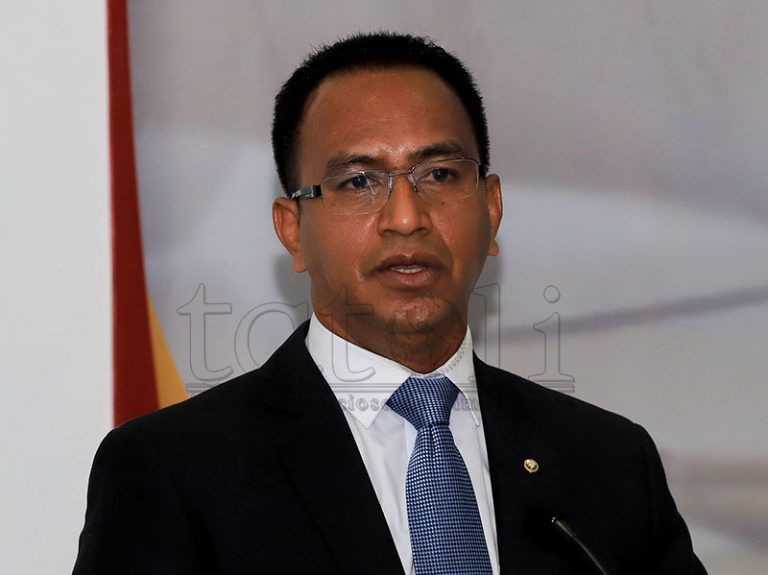
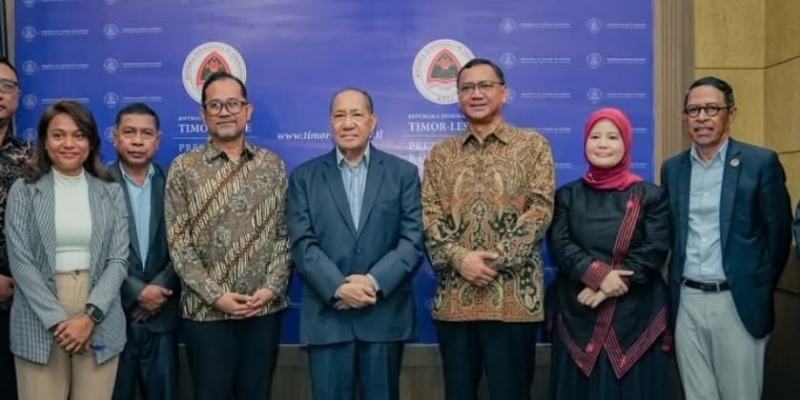
DILI, 06 may 2022 (TATOLI) – The Anti-Corruption Commission (CAC), together with the United Nations Office on Drugs and Crime (UNODC) and the Ministry of Health (MoH) commit to preventing corruption in the health-sector procurements, including the procurement of medicines, medical equipment, diagnostic reagent, and construction materials.
The Commissary of CAC, Sergio Hornai said it was important for the public officials of any public institution to understand the concept of corruption.
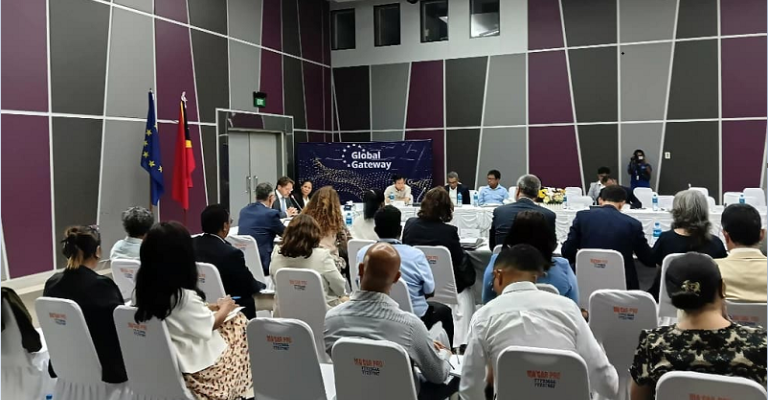
“Corruption may occur in any institution due to lack of knowledge on the legal framework or instrument against corruption. Corruption may also occur due to conflict of interests and lack of proper management,” Hornai made the comments at the national workshop held at the Hotel Timor, entitled: ‘Corruption Risk in the Health Sector Procurements.’
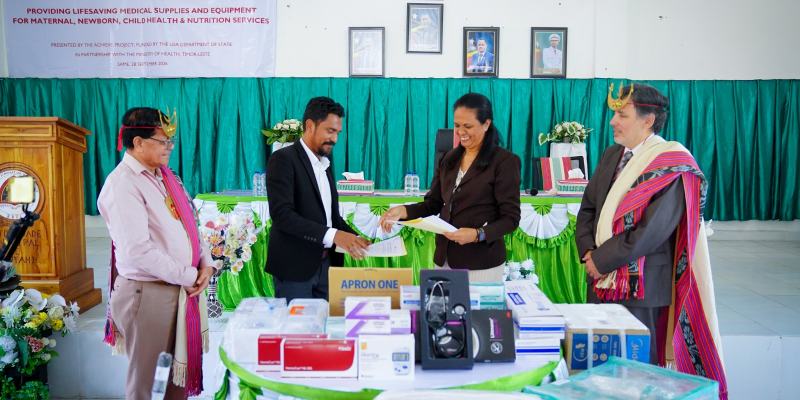
He said it is important to share knowledge and experiences on the legal framework against corruption, especially on the health sector procurements: “The Minister of Health needs to put efforts to control and manage all the medical equipment given by development partners, and humanitarian organizations to ensure its sustainability, transparency, and accountability.”
Hornai emphasized that MoH needs to demonstrate its competency, integrity, and strong management system to control all procured equipment.
He said one element of the new anti-corruption law is that the public procurement process must be based on the principles of transparency.
Hornai added the new anti-corruption law introduced new criminalization of corruption elements, including the practices of removing the competition in public procurement procedures.
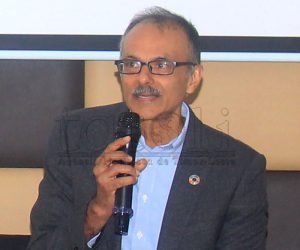
At the same place, the UN Resident Coordinator in Timor-Leste, Roy Trivedy said that fighting against corruption has been recognized as the core element of the UN mandate to promote development, social inclusion, and the achievement of human rights.
“As UN Secretary-General, António Guterres said corruption is criminal, immoral, and the ultimate betrayal of public trust. We must create a more robust system for accountability and transparency. It’s essential because this is a bedrock of ensuring that the public can trust public institutions and government,” Trivedy said.
He reaffirmed that the UN will continue working closely with CAC, MoH, health institutions, and other relevant bodies in the country to develop and implement anti-corruption and core mitigation strategies.

Minister of Health, Odete Maria Freitas Belo thanked CAC and UNODC for organizing the workshop on the corruption risk in the Health Sector Procurements.
“All parties must keep a close eye on the whole procurement process in the health sector to prevent corruption from taking place in the Ministry of Health,” said Minister Belo.
Journalist: Filomeno Martins
Editor: Nelia Borges