


UNDP organizes Training on Cash-for-Work for Local Authorities
DILI, 04 october 2024 (TATOLI) – The United Nations Development Programme (UNDP) Community Infrastructures for Resilience Project (CIREP) conducted training on the Cash-for-Work with local authorities in Bobonaro, Ermera, and Liquica to provide vulnerable communities with short-term employment opportunities to enhance their sustainable lives and livelihoods in rural areas.
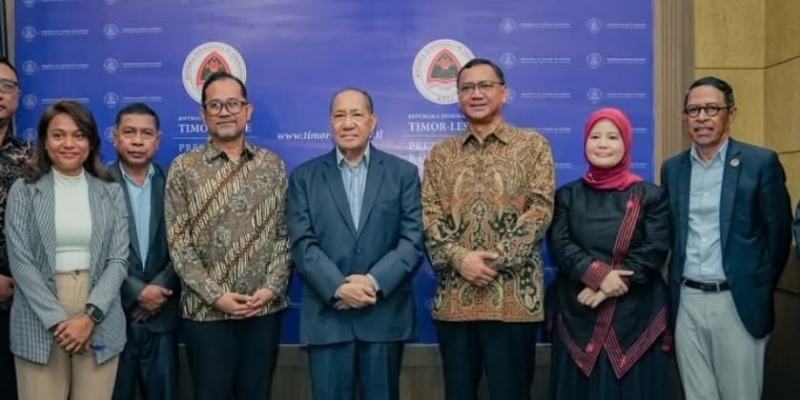
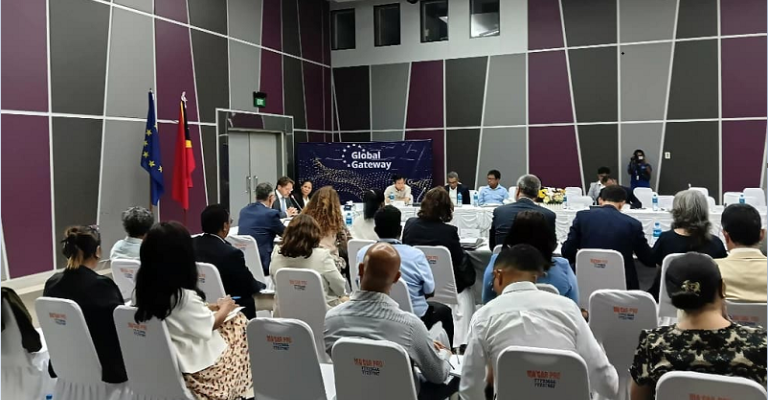
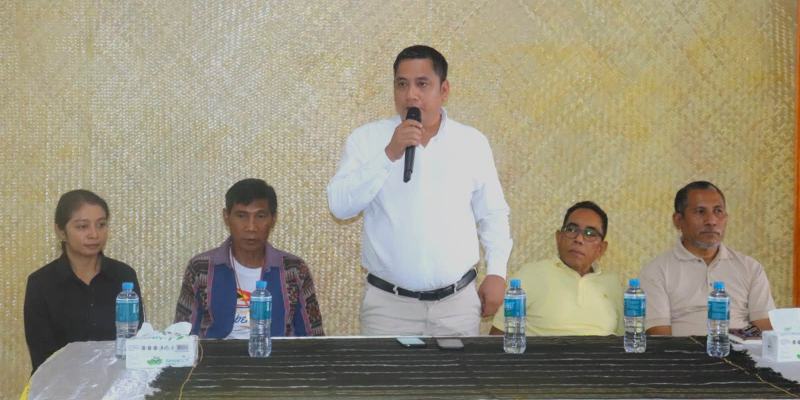
The UNDP Community Infrastructures for Resilience Project (CIREP) conducted a training event on the Cash-for-Work in Novo Turismo, Dili, on 4th October in 2024. The training event was attended by Elvino Bonaparte do Rego, Director of Direção Nacional Governo Local (DNGL), Yuki Sakai, Deputy Head of the Mission of Japan Embassy to Timor-Leste, Adeline Carrier, Deputy Resident Representative of UNDP, and local authorities in Bobonaro, Ermera, and Liquica, who will play a leading role in the upcoming Cash-for-Work programme in their community areas.
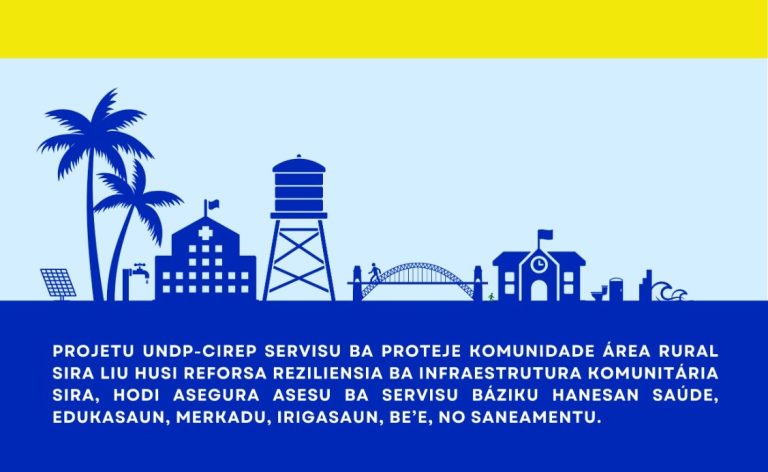
The CIREP project focuses on the new construction/rehabilitation of 46 community infrastructures in the Municipality of Bobonaro, Covalima, Ermera, Liquica, and RAEOA. This effort aims to improve access to the basic services, such as health, education, markets, irrigation, water, and sanitation. In 2024, the project will undertake 13 constructions (Bobonaro: 2, Ermera: 2, Liquica: 4, RAEOA: 5) which include water systems, public toilets, bridges, rainwater harvesting systems, gabion/retaining walls, and a maternity health centre. By 2027, a total of 16,000 households and 75,000 individuals (47% women) will benefit from the project activities.
The Cash for Work programme will be conducted during the new construction/rehabilitation of 46 community infrastructures to provide vulnerable communities with gender-equal job opportunities to enhance their sustainable lives and livelihoods in rural areas. By 2027, an estimated 4600 community members will benefit from the activity, and 50 % of which are expected to be women.
Through the training, the participants learned the activity implementation, including rules and criteria of community recruitment, health & safety plans, and risk mitigations with new Cash-for-Work manual developed by the CIREP project. The Cash-for-Work manuals outline step-by-step processes, best practices, and monitoring tools to ensure quality assurance and effective and equitable implementations.
With USD five million financial support from the Government of Japan, UNDP and MSA are committed to the sustainable development of Timor-Leste and the achievement of SDGs.
Journalist: Camilio de Sousa
Editor: Filomeno Martins