



DILI, 17 June 2025 — UNICEF held a four-day workshop on the Development of Climate Rationale for Timor-Leste’s Water, Sanitation, and Hygiene (WASH) sector—marking a significant step toward climate-resilient infrastructure and child-centered policy reform.
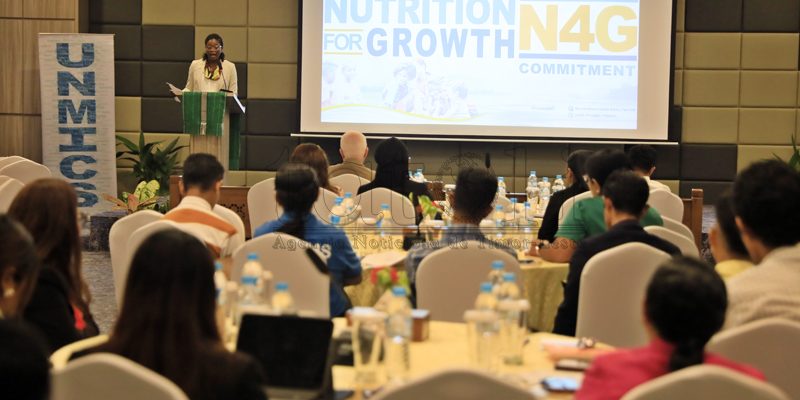
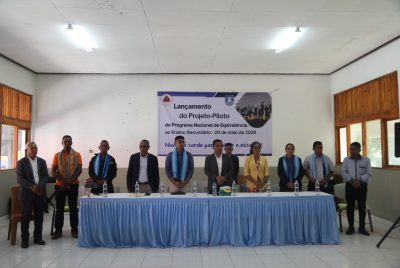
The workshop was held at the Hotel Timor in Dili and officially opened by the UNICEF Representative in Timor-Leste, Patrizia Di Giovanni.
Attended by senior government officials, development partners, and representatives from civil society and international agencies, the event underscored the urgent need to address the growing impact of climate change on essential water and sanitation services.
In her opening remarks, Di Giovanni stressed that climate change is not just an environmental issue. “It is a child rights crisis,” she said. “It means more children are drinking unsafe water and falling ill from preventable diseases like diarrhea and cholera. It means girls are missing school because there are no safe, private toilets. It means infants are at greater risk of malnutrition and stunting because of poor hygiene and water scarcity. And it means that in times of crisis, children are the first to suffer and the last to recover.”
She said the impacts are especially severe for the most vulnerable children living in poverty, in remote areas, or in fragile contexts. “For them, climate change is not a future threat. It is a daily reality,” said Di Giovanni.
Di Giovanni emphasized that the Climate Rationale serves as the “foundation of credible programming – ensuring that every program is rooted in data, aligned with national priorities, and responsive to the needs of the most vulnerable—especially children and young people.”
Despite the sobering challenges, Di Giovanni expressed optimism, calling the workshop a a critical step toward building a climate-resilient future—one that places children and young people at the heart of our strategies to address the impact of Climate Change on WASH systems and on the lives of children.
“UNICEF is therefore happy to support this process. We bring global expertise, data, and tools to help integrate child-sensitive approaches into climate action. But more importantly, we bring a commitment to listen—to the voices of youths, to the wisdom of communities, and to the leadership of this nation,” DiGiovanni explained.
Di Giovanni encouraged participants to use the opportunity wisely to forge a strategy that is inclusive, evidence-based, and bold. “Let us ensure that our climate response protects the most vulnerable, empowers the next generation, and leaves no child behind,” she added.
The Chief of Cabinet of the Minister of Public Works, Cristovao Guteres, also addressed the workshop, stressing that climate change is no longer a distant threat. “In Timor-Leste, we are already experiencing its impacts more intense and frequent flooding, prolonged droughts, landslides, and rising temperatures. These events are affecting our water sources, damaging WASH infrastructure, and increasing the risk of waterborne diseases, especially in rural and vulnerable communities.”
Guteres emphasized the importance of developing a Climate Rationale for the WASH sector, noting that the document will serve several crucial purposes:
- Assessing climate risks – It will identify vulnerabilities in WASH systems by combining scientific data with local knowledge to highlight areas most at risk.
- Designing climate-resilient solutions – It will guide the development of infrastructure capable of withstanding extreme weather events and changing environmental conditions.
- Improving access to climate finance – By presenting a clear, evidence-based case, the Climate Rationale will support efforts to secure funding from development partners, including the Green Climate Fund and other global mechanisms.
The event, supported by the Government of Australia through DFAT, highlights growing international and national collaboration to protect children from the worsening effects of climate change in Timor-Leste.
Across the globe, climate change is disrupting water systems, contaminating water sources, and damaging sanitation infrastructure. Droughts are drying up wells and rivers. Floods are overwhelming latrines and spreading disease. Rising sea levels are salinizing freshwater supplies. And extreme weather events are destroying the very infrastructure that communities rely on for survival.
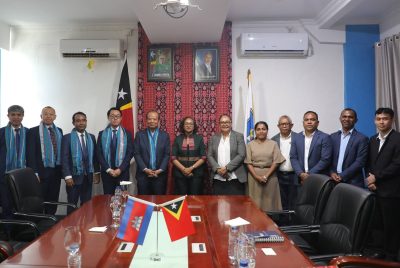
Key participants included the Chief of Cabinet of the Minister of Public Works, Mr. Cristovao Guteres; DFAT Representative and First Secretary for Community Development, Mr. Aaron Watson; and the General Director for Regulation of Electricity, Water, and Sanitation, Ms. Arlinda Miranda. Officials from the Ministries of Health and Public Works, as well as representatives from NGOs and INGOs, also took part in the discussions.
Journalist: Camilio de Sousa
Editor: Filomeno Martins