


Timor-Leste’s Maritime Security: A Vision for Sovereignty and Sustainability

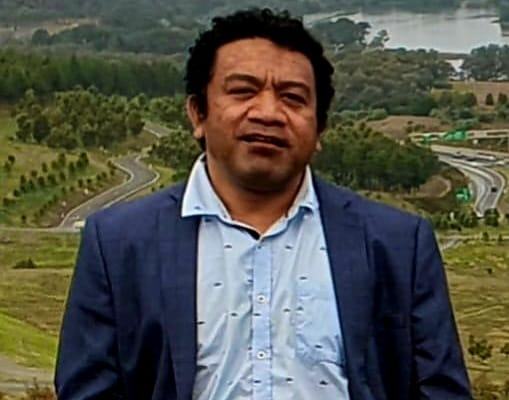
By: Dionisio Babo Soares
In the turquoise waters of Timor-Leste, where the ocean meets the aspirations of a young nation, maritime security is not just a policy but a lifeline. For a country like Timor-Leste, a Small Island Developing State (SIDS) and Least Developed Country (LDC), the sea is both a source of sustenance and a stage for sovereignty. It holds the promise of a thriving Blue Economy, yet it is also a frontier of vulnerability, where illegal fishing, environmental threats, and geopolitical shifts challenge the nation’s stability. Drawing on Kate Raworth’s Doughnut Economics (2017), a framework that balances human prosperity within planetary boundaries, Timor-Leste’s pursuit of maritime security emerges as a profoundly human endeavor, one that seeks to protect its people, preserve its ecosystems, and secure a future of resilience and dignity.
Timor-Leste’s maritime domain, spanning over 25,600 km², is a treasure trove of biodiversity and opportunity. However, it faces relentless pressures. Illegal, unreported, and unregulated (IUU) fishing has bled the nation’s waters, with foreign vessels often from neighboring countries extracting staggering wealth. According to available data by the Ministry of Agriculture and Fisheries and Global Fishing Watch, between 2018 and 2020, Timor-Leste’s losses mounted: 239,460 tonnes of fish worth over USD 1 billion in 2018, 147,975 tonnes valued at USD 838 million in 2019, and 1,563 tonnes costing USD 9.7 million in 2020. Even as detections dropped to 10 vessels daily by 2023, the economic toll lingers at USD 300 million annually, threatening food security and the livelihoods of coastal communities in places like Ataúro and Liquiçá.
Piracy remains a concern, though less prevalent than in global hotspots like the Gulf of Aden. A 50% surge in global incidents in 2025 signaled the need for vigilance. Although less prevalent in Timor, armed robberies and vessel encroachments could erode investor confidence and expose gaps in governing Timor-Leste’s Exclusive Economic Zone (EEZ).
These threats are not merely economic; they strike at the heart of Timor-Leste’s post-independence identity. Raworth’s Doughnut (2017) model reminds us that true prosperity lies in meeting human needs for food, jobs, and safety, while respecting ecological limits. IUU fishing and marine pollution push Timor-Leste below this “safe and just space,” undermining fishers’ livelihoods in Dili and eroding ecosystems critical to cultural and economic survival. With rising sea levels and habitat degradation, climate change further strains this balance, as seen in the Arafura and Timor Seas project’s fight against overfishing through 2024.
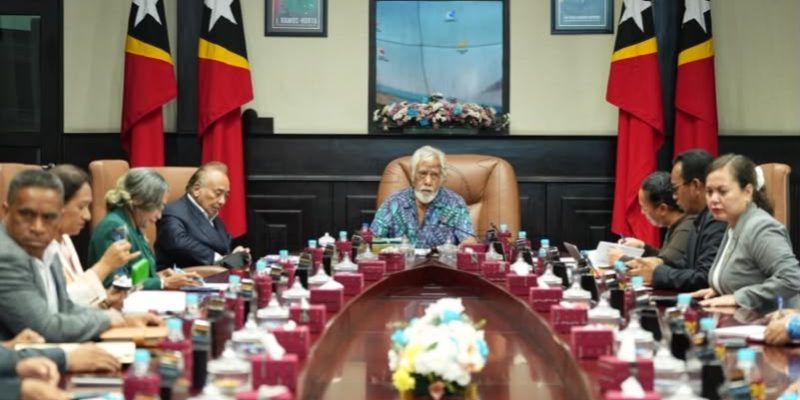
The nation’s looming fiscal cliff in 2025, driven by dwindling petroleum revenues, adds urgency to diversifying into a sustainable Blue Economy, as outlined in the government’s 2025–2030 Blue Economy Policy. This vision, aligned with UN Sustainable Development Goal 14, seeks to create jobs, reduce poverty, and strengthen ocean governance, ensuring that Timor-Leste’s seas remain a source of life, not loss. Prime Minister Xanana has been at the forefront of this saga.
However, challenges abound. Limited patrol vessels, skilled personnel, and independent satellite systems hinder oversight of the vast EEZ. From 1999 to 2017, reliance on Australian and Indonesian satellite imagery filled gaps, but access waned post-2021, leaving intelligence voids in the southern Timor Sea.
Geopolitical shifts, including potential U.S. defense budget cuts in 2025 and Chinese activities in the South China Sea, strain bilateral support, while the unresolved maritime borders with Indonesia, set to begin negotiation in August 2025, risk continuing cross-border incursions. Timor-Leste’s IUU Fishing Risk Index score of 2.20 in 2023 reflects slight progress but persistent weaknesses in coastal monitoring and flag state oversight, as noted by the Global Initiative Against Transnational Organized Crime. These hurdles threaten to tip the nation outside Raworth’s ecological ceiling, where overexploitation and pollution degrade the marine systems that sustain life.
Hope, however, lies in innovation and community spirit. Timor-Leste is embracing technology and collaboration to reclaim its waters. Hopefully, AI-enhanced satellite and drone surveillance, working with the 2020 Global Fishing Watch partnership, can jointly conduct IUU detections and empower real-time tracking. If activated, community networks in villages like Com and Tutuala will enable fishers to report suspicious activities, weaving local wisdom into national security. The 2024–2025 ASEAN Blue Innovation Challenge, with over 9,000 applicants, including Timorese innovators, fosters grassroots solutions for sustainable marine practices.
A landmark agreement with the Japan International Cooperation Agency in July 2025 equips the Maritime Police Unit with boats, training, and technical support. Australia’s impending delivery of two patrol vessels could potentially strengthen Timor Sea control.
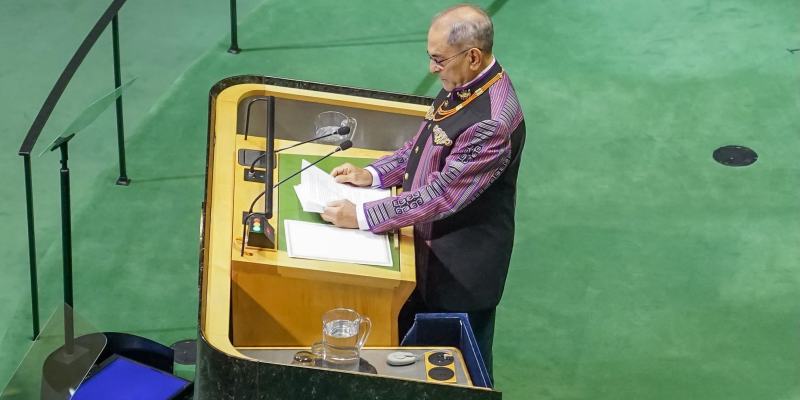
President José Ramos-Horta’s February 2025 call for modernization, including protecting assets like the Greater Sunrise gas field and Ataúro’s biodiversity, underscores a commitment to a resilient Blue Economy that honors both people and planet. Raworth’s (2017) theory calls for regenerative systems, and Timor-Leste is answering. Multilateral ties through the Port State Measures Agreement, UNCLOS compliance, and joint exercises with Australia, Indonesia, and Combined Task Force 151 have the potential to build and strengthen a web of cooperation.
Recent partnerships, like the U.S. Indo-Pacific Command discussions in July 2025, the UN-PNTL human rights policing initiative in May 2025, and the UK’s renewed mission in Dili in 2024, amplify this momentum. The Australia-Timor-Leste Development Partnership Plan 2025–2030 could scale up Blue Economy and defense support, ensuring that security is holistic, encompassing state, economic, human, and environmental dimensions.
In Timor-Leste, maritime security is a promise to its people. It is a commitment to safeguard sovereignty, nurture prosperity, and protect the seas that have shaped its story. By blending cutting-edge technology, community empowerment, and global alliances, Timor-Leste is charting a path toward Raworth’s “safe and just space,” where billions in lost resources can be recovered, habitats preserved, and a Blue Economy built to uplift every citizen. Amid fiscal pressures, climate challenges, and geopolitical flux, this journey demands unwavering resolve. However, in the waves that lap against its shores, Timor-Leste finds inspiration, a vision of a nation thriving in harmony with its ocean, secure in its sovereignty, and steadfast in its pursuit of a sustainable, dignified future. (*)
This opinion is strictly personal and does not bind the institution the author represents.