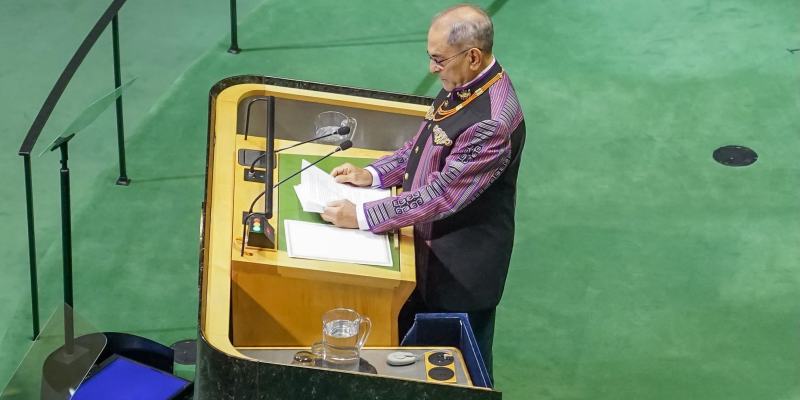



Timor-Leste underscores transformative role of ICT for inclusive and sustainable development
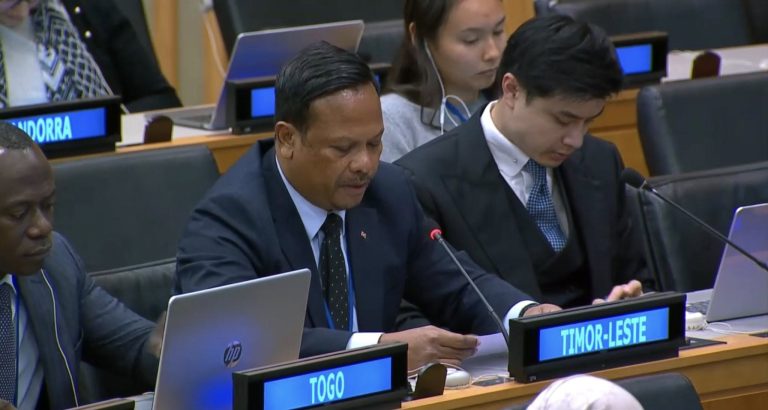
DILI, 13 October 2025 (TATOLI) – Timor-Leste has underscored the critical role of digital technologies in advancing globalization and sustainable development during its intervention at the Second Committee of the United Nations General Assembly.
“Timor-Leste emphasized the transformative role of Information and Communication Technology in fostering globalization and sustainable development,” read a statement.
The country highlighted that ICT, particularly through Artificial Intelligence (AI), is a key driver for connecting economies and enhancing development.
Timor-Leste also raised concerns over persistent digital divides. “Many vulnerable nations, such as Least Developed Countries and Small Island Developing States, still face significant challenges in infrastructure, affordability, and digital literacy,” the statement said. “Without inclusive policies and stronger international cooperation, these gaps could risk deeper global inequalities.”
Timor-Leste’s government outlined its ongoing national efforts to harness technology for development. It highlighted the “Timor Digital 2032” strategy, which aims to strengthen governance, diversify the economy, and improve service delivery in key sectors including health, education, and agriculture. The plan has been updated to integrate AI, reflecting the country’s commitment to accelerating technological advancement.
Among the flagship projects, Timor-Leste launched the South Submarine Cable (TLSSC) in 2025 to boost internet capacity and reliability. In parallel, the nationwide deployment of Starlink satellite internet has enhanced connectivity and affordability, particularly in remote areas.
These initiatives have already contributed to tangible progress. The country has achieved significant improvements in digital access and literacy, with growing e-commerce potential and increasing public understanding of digital tools.
“Timor-Leste reaffirmed its commitment to using ICT to bridge development gaps, empower citizens, and build an inclusive, connected, and sustainable future,” the statement concluded.
Journalist: Camilio de Sousa
Editor: Filomeno Martins