


SANYA, 28 November 2025 (TATOLI) – China is accelerating its agricultural innovation drive as a high-tech mutation breeding laboratory in Sanya, Hainan Province, begins producing millions of novel plant strains each year in an effort to strengthen global food security.
The Sanya Electron Accelerator-Based Mutation Breeding Laboratory uses a computer-controlled electron accelerator to expose plant seeds and tissues to precisely calculated radiation doses designed to trigger beneficial genetic mutations without relying on traditional gene-editing techniques.
The Laboratory’s General Technical Engineer, Professor Xudechun said this method, known as “calculated radiation shock,” allows scientists to create wide-ranging genetic variation while maintaining tight control over treatment levels, which they compare to adjusting a medical dosage for each individual crop.
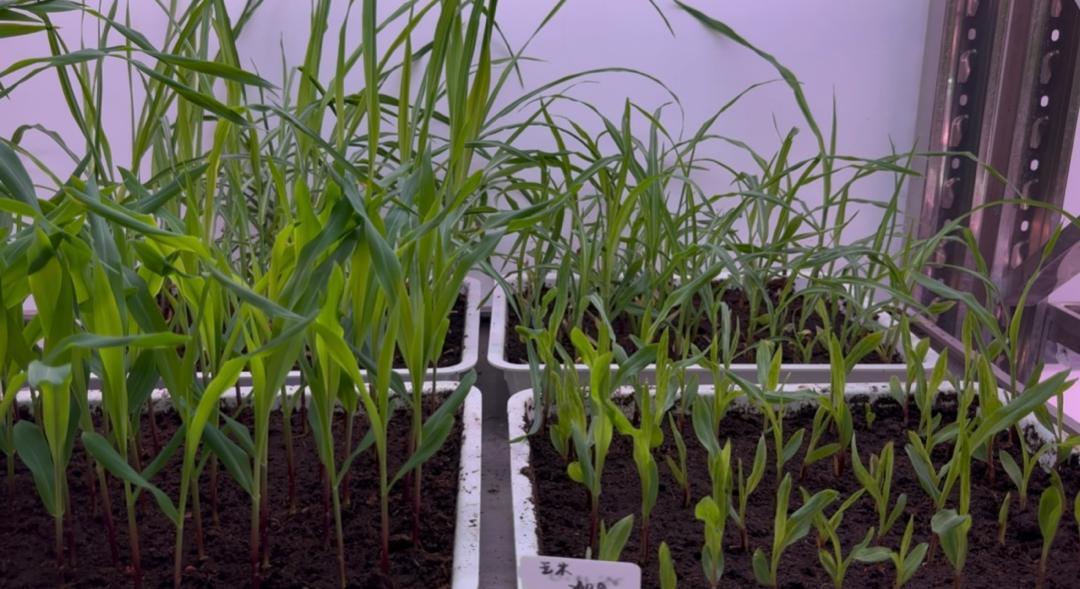
Following irradiation, scientists conduct what they describe as a “genetic treasure hunt,” analysing DNA changes and screening millions of seedlings to identify rare plants showing stronger resilience, improved quality, or faster growth.
The facility processes up to 8,000 samples a day and now produces as many as 3 million mutant strains annually while generating more than 300 new genetic resources for wider breeding programmes.
Since opening in August 2023, the 1,000-square-metre laboratory has become a major national breeding hub, signing cooperation agreements with leading institutions including the Chinese Academy of Agricultural Sciences, the Chinese Academy of Tropical Agricultural Sciences, the Yazhou Bay National Seed Industry Laboratory, the Guangdong Academy of Sciences, and Hainan University.
Nearly 600,000 seeds and seedlings from 4,000 types of crops — ranging from staple foods such as rice, soybeans and maize to tropical fruits, ornamental plants and edible fungi — have already undergone radiation treatment under partnerships with more than 160 research bodies and seed companies nationwide.
The laboratory reports early breakthroughs in mapping radiation-induced mutation hotspots in soybean, identifying precise irradiation dose ranges for a wide variety of species, and analysing gene pathway changes linked to metabolism, stress responses and structural maintenance.
Xudechun said that the electron accelerator is enabling rapid progress in breeding salt-tolerant and alkali-tolerant lines of rice and corn, herbicide-resistant rice strains, and new germplasm displaying resistance to bacterial blight.
A mutation library for quinoa has also been developed, with five promising M4 lines now advancing through regional trials and stability assessments after earlier selection from M2 and M3 populations.
The research centre is expanding its work on tropical economic crops — including huanghuali, agarwood, rubber, oil tea, pineapple, rambutan and pepper — and has already reported improved mutations such as longer inflorescences in rambutan and novel bougainvillea germplasm.
The laboratory is led by Professor Zhai Huqu, former president of the Chinese Academy of Agricultural Sciences and creator of China’s first electron accelerator for agricultural research, alongside Hainan University Vice President Cao Bing.
International collaboration is also increasing, with Sanya scientists launching a global alliance of 160 organisations and more than 1,700 experts to explore new solutions for food production in an era of climate change.
The laboratory’s goal is not to “change the nature of plants” but to unlock genetic potential that could help secure food supplies for future generations.
Journalist: Filomeno Martins
Editor: Rafael Ximenes de Asiss Belo