


Happy New Year 2026, Timor-Leste: Let us make Hope the Icon of our development

By: Dionísio Babo Soares*
As we usher in 2026, I extend heartfelt New Year wishes to the resilient people of Timor-Leste. May this year overflow with peace, progress, and shared prosperity, illuminating paths for families across our beautiful island nation, from the vibrant markets of Dili to the lush hillsides where communities nurture their dreams. As 2026 begins, I imagine children waking to a brighter future, elders sharing stories under reliable lights, and entrepreneurs turning aspirations into realities.
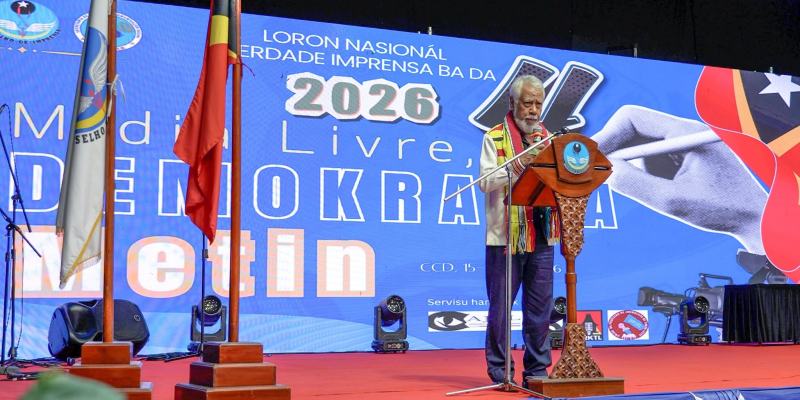
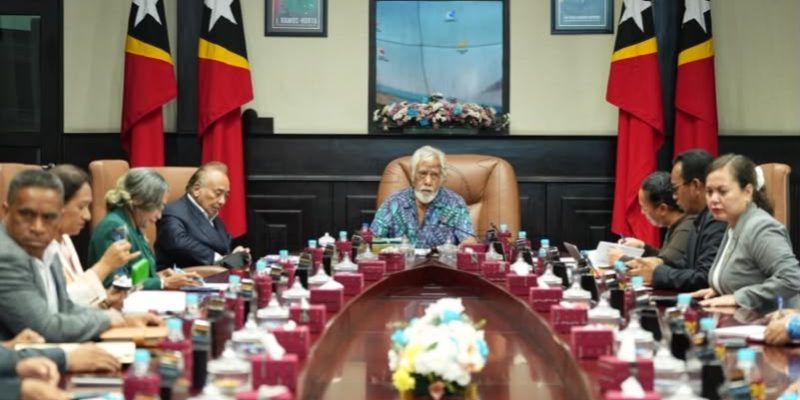
In this optimistic dawn, I congratulate Prime Minister Kay Rala Xanana Gusmão on his budget presentation to the Parliament and his inspiring end-of-year message on 31st December 2025. His address was not mere policy; it was a passionate report of his government’s achievement, a blueprint for accountability, transparency, and transformation, evoking a leader’s deep bond with his people and urging investments that create jobs for youth and foster a “healthier, more capable, and fairer society.” Like a seasoned navigator steering through stormy seas, Prime Minister Xanana Gusmão’s vision humanizes fiscal planning, turning numbers into narratives of hope for everyday Timorese: farmers gaining better access to markets, children thriving in improved schools, and elders receiving dignified care. His words remind us that budgets are not just about dollars; they are about dignity, dreams, and the unyielding spirit of a nation rising from adversity.
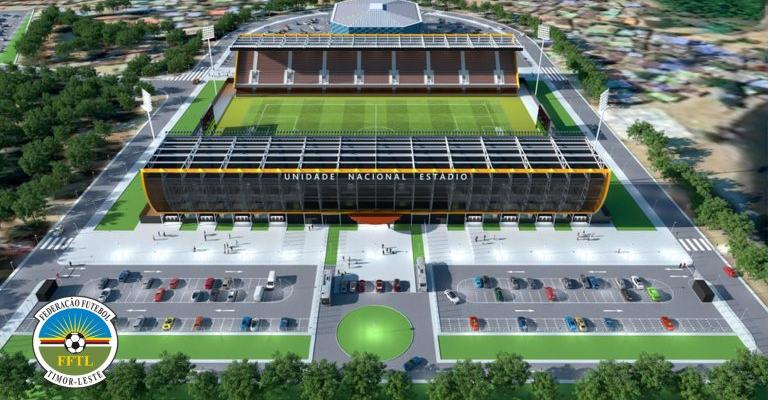
At its core, the US$2.29 billion 2026 General State Budget prioritizes tangible improvements in citizens’ lives, as evidenced by recent parliamentary approvals and detailed allocations. This represents a strategic increase, drawing from the Petroleum Fund while authorizing up to US$850 million in prudent debt to fuel growth without burdening future generations. Infrastructure receives a robust push: US$223 million for roads and bridges to connect isolated villages, easing the burden on mothers transporting goods or fathers commuting for work; US$138.5 million for electricity upgrades to light up homes and power small enterprises; and US$46.3 million for airports to facilitate trade and travel. Picture a young farmer in the highlands, once cut off by muddy paths during rains, now swiftly delivering fresh produce to urban markets: this is the empowerment infrastructure brings, sparking economic ripples that lift entire communities. Water and sanitation receive US$25.8 million, ensuring clean water and sanitation that protect families from health risks amid climate challenges.
In comparison, decentralization at US$37.1 million empowers local leaders, fostering grassroots innovation and unity.
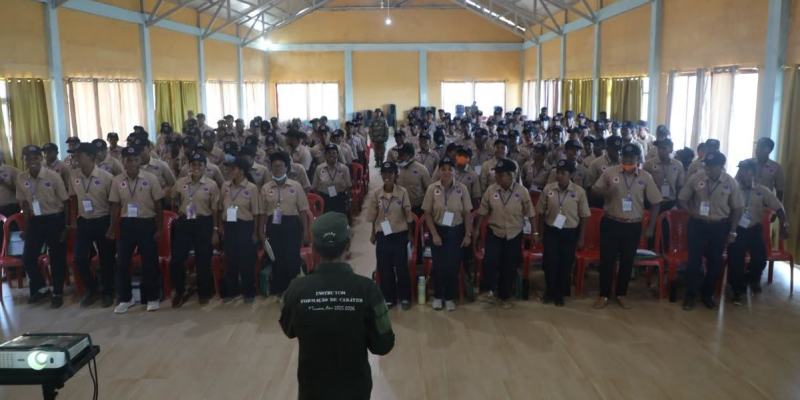
Agriculture, vital to over 80% of the population, receives US$43.4 million to enhance food security and boost exports of premium coffee, vanilla, and spices. This investment evokes the resilience of Timorese farmers, who, with better irrigation and training, can turn fertile soils into sources of national pride and global trade, feeding families while fueling exports. Oil and minerals, including the transformative Tasi Mane and Greater Sunrise projects, draw US$194.1 million to bridge the transition from depleting Bayu-Undan revenues, ensuring energy security as a stepping stone to broader diversification. Human investments shine brightly: US$181.7 million for education (a 24.8% increase) to equip young minds with knowledge and skills, inspiring the next generation to innovate; and US$138.3 million for health (up 38.3%) to build resilient communities, where every child can dream big without the shadow of illness. The US$20.6 million Human Capital Development Fund for scholarships in engineering, agriculture, and ICT will empower youth, like a seed planted in rich soil, to grow into leaders who drive progress. Social protection at US$54.1 million supports the vulnerable, while US$12.8 million in vocational training and US$32.1 million in private-sector aid—targeting SMEs and cooperatives—nurture entrepreneurial spirits, turning ideas into thriving businesses.
This framework emulates Asia’s small economic tigers, whose stories of triumph inspire Timor-Leste’s journey. Singapore’s bold infrastructure investments in the 1970s-80s, including world-class ports and transport, ignited 7-8% annual growth, transforming a resource-scarce island into a global trade and financial hub where ordinary citizens became part of an economic miracle. Similarly, Taiwan’s emphasis on education and tech innovation fueled a semiconductor boom, sustaining 6%+ growth and lifting millions out of poverty through skilled jobs and exports. Hong Kong’s free-market policies and financial services turned it into Asia’s gateway. At the same time, Brunei’s prudent resource management stabilized its economy amid fluctuations in oil prices, while investing in education and diversification for long-term prosperity. These nations prove that small size is no barrier; with vision, they soared, creating societies where hard work yields opportunity and innovation thrives.
To accelerate, Timor-Leste must expand beyond its current emphases into promising productive sectors. Fisheries, with vast maritime exclusive economic zones, hold untapped potential for sustainable exports and coastal jobs, envisioning fishermen upgrading from canoes to modern vessels, supplying regional markets, and boosting incomes. Tourism, leveraging pristine beaches, ancient cultural heritage, and eco-adventures such as hiking in Nino Konis Santana National Park, could flourish with targeted incentives, drawing global visitors and creating service roles that empower local guides and artisans, much as Singapore’s tourism pivot added vibrancy to its economy. Light manufacturing in agribusiness, such as processing coffee or producing value-added foods, would diversify from subsistence farming, generating factory jobs and exports that inspire rural youth to stay and build. Renewable energy, including solar, hydro, and wind projects, aligns with climate resilience, reduces reliance on oil, and opens green tech opportunities. Imagine villages powered by clean energy, fostering innovation and attracting eco-investors. Digital connectivity and ICT could spark a tech sector, with investments in broadband enabling e-commerce and remote work, connecting Timorese talent to the world. Labor mobility programs that export skilled workers abroad would generate remittances — already a growth driver — while building expertise for returnees to invest in their home communities, akin to Hong Kong’s service economy. Modernization of construction and financial services, through land registries and reforms, would underpin industrialization, creating stable jobs and efficient markets.
In closing, I wish Timor-Leste a year where this growth—projected at 4.5% non-oil GDP—stabilizes the economy, maintains low inflation around 1.9%, and strengthens resilience for all. Under Prime Minister Gusmão’s guidance, may our nation soar like Asia’s tigers, weaving prosperity into every life, where challenges become chapters in a story of triumph, and every citizen contributes to a legacy of hope and achievement.
* The views expressed herein reflect a personal perspective intended solely to stimulate academic discussion. Please note that the figures referenced are based on publicly available online sources and may be subject to updates or revisions by the original providers.