


STEP Project shows strong results for Rural Young Women in Timor-Leste
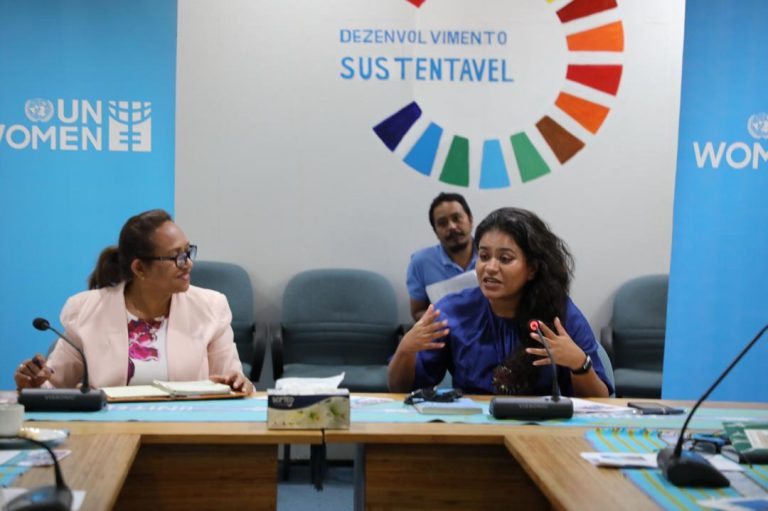
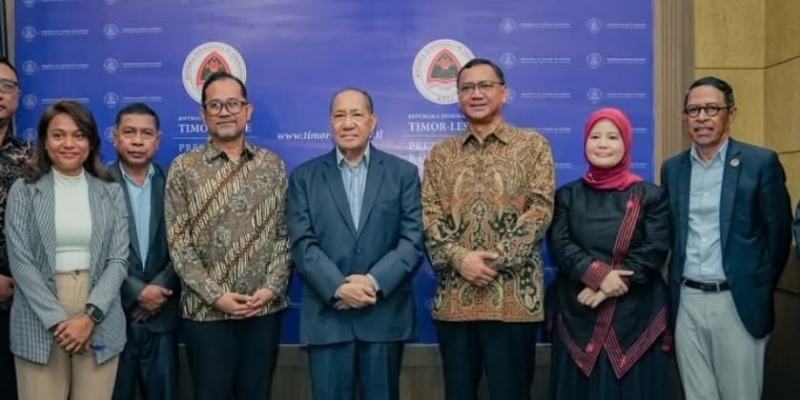
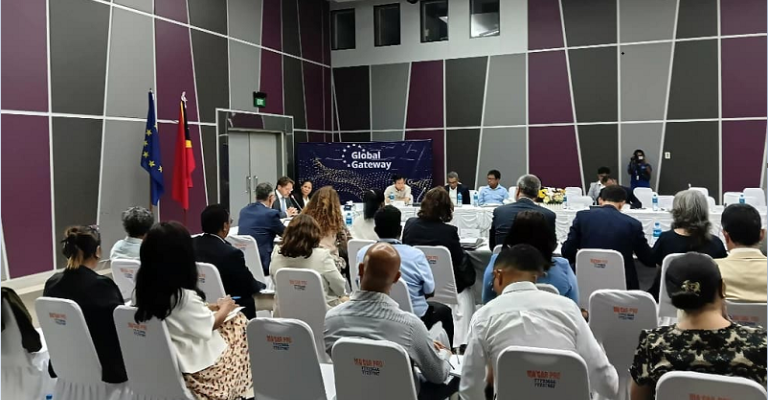
DILI, 21 January 2026 (TATOLI) – UN Women, in partnership with the Ministry of Education and the British Council, convened a Joint Steering Committee meeting to review the progress and impact of the Skills Training for Economic Participation (STEP) project. The meeting also aimed to share key lessons learned, strengthen policy alignment, and discuss strategies for sustainability and scaling up the initiative to support rural women’s economic empowerment through skills development.
The STEP project, funded by the UK Government through the ASEAN-UK SAGE program, was implemented through Ministry of Education-supported Community Learning Centers (CLCs) and Vocational Technical Secondary Schools (TVETs). The project has expanded equitable access to market-relevant digital skills and employment pathways for marginalized youth, particularly rural young women in Lautem and Oé-Cusse, directly reducing gender barriers and strengthening their participation in the local economy.
Implemented by UN Women in partnership with the Ministry of Education (MoE), the National Institute for Teacher and Education Professional Training (INFORDEPE), and the British Council under the ASEAN–UK Supporting the Advancement of Girls’ Education (ASEAN-UK SAGE) program, STEP operates in Dili, Lautem, and the Special Administrative Region of Oé-Cusse Ambeno. The initiative aims to enhance the employability and economic empowerment of marginalized girls and young women by equipping them with entrepreneurship, financial literacy, and basic digital skills aligned with the local socio-economic context.
Since April 2025, STEP has made significant progress in strengthening inclusive and gender-responsive education systems. Twenty-two certified teachers and education professionals from CLCs and TVET institutions completed a 12-day intensive training to strengthen pedagogical capacity and promote learner-centered, gender-transformative teaching methodologies. This was followed by a 10-week structured mentoring program. By promoting learner agency and integrating principles of gender equality into classroom dynamics, these teachers are becoming drivers of systemic change toward more inclusive, gender-responsive, and empowering education systems. This aligns directly with broader goals of transforming harmful gender norms and ensuring equitable access to quality education for all learners, particularly those traditionally marginalized.
Building on strengthened teaching capacity, trained facilitators delivered a 50-day entrepreneurship course to 100 students (80 young women and 20 young men) in Lautem and Oé-Cusse. The course significantly increased knowledge and confidence in planning businesses, managing finances, and marketing products. Participants developed stronger job-related and business skills, showing improved confidence, professional communication, and practical understanding of how to start and run a business. Importantly, they applied their new digital skills, financial knowledge, and product ideas in real-life settings, with several participants starting new small businesses or expanding existing ones. In November and December 2025, Entrepreneurship Forums and Fairs organized with MoE, INFORDEPE, and AEMTL brought together 310 participants, showcasing youth-led businesses, strengthening market linkages, and reinforcing collaboration between education institutions, government, and the private sector. These events coincided with the 16 Days of Activism against Gender-Based Violence, underscoring the link between women’s economic empowerment and violence prevention.
Community-based “Connect with Respect” workshops engaged 86 parents and family members, contributing to more gender-equitable attitudes and increased support for girls’ education. In parallel, 29 officials from MoE and the Secretariat of State for Professional Training and Employment (SEFOPE) strengthened their capacity to promote gender-sensitive employment pathways.
“The STEP project shows that when young women are given the right skills, supportive communities, and gender-responsive learning environments, they not only gain confidence, they create real economic opportunities for themselves and their families,” said Amy Nishtha Satyam, Head of Office of UN Women Timor-Leste.
Minister of Education Dulce de Jesus Soares emphasized: “The STEP project demonstrates how education, when it is practical, inclusive, and responsive to the realities of our communities, can directly contribute to economic opportunities for young people, especially young women. By strengthening teachers, empowering students with entrepreneurship and digital skills, and engaging families and institutions, STEP supports our national commitment to inclusive education and skills development that prepare youth for meaningful participation in Timor-Leste’s economy.”
Craig Farmer, Team Leader of the ASEAN-UK SAGE program, added, “The STEP project is grounded in the aspirations of young people and shaped by the voices of their communities. The results; delivered in a remarkably short timeframe have been truly inspiring and stand as a testament to the commitment of our partners and the participants themselves. They also demonstrate the strong potential of the STEP approach moving forward.”
This Joint Steering Committee meeting marked a critical milestone in consolidating lessons learned and advancing national efforts to scale up STEP, ensuring its contribution to inclusive education, women’s economic empowerment, and sustainable development in Timor-Leste.
Journalist: Camilio de Sousa
Editor: Rafael Ximenes de A. Belo