


Govt unveils nationwide soil mapping report to guide agriculture planning

DILI, 15 April 2026 (TATOLI) — The Ministry of Agriculture, Livestock, Fisheries and Forestry presented Timor-Leste’s final soil mapping report, identifying areas with potential for developing agriculture, livestock, fisheries, and forestry.
The study was conducted in partnership with the Udayana University and is based on research carried out across the country between 2024 and 2025.
The study assesses land use suitability and identifies areas with the highest productive capacity.
Agriculture Minister Marcos da Cruz said the findings highlight which areas are most suitable for different types of production and will serve as a key planning tool, particularly for municipalities, by identifying constraints and proposing practical solutions.
According to the report, soil quality varies widely between municipalities, with some areas showing low fertility and others strong agricultural potential. It also provides technical recommendations to prevent soil degradation and improve sustainable land management, forming a basis for future sector planning.
Da Cruz said the study is especially relevant as Timor-Leste prepares to implement local governance, noting that it offers data to help municipal authorities design development strategies tailored to local conditions.
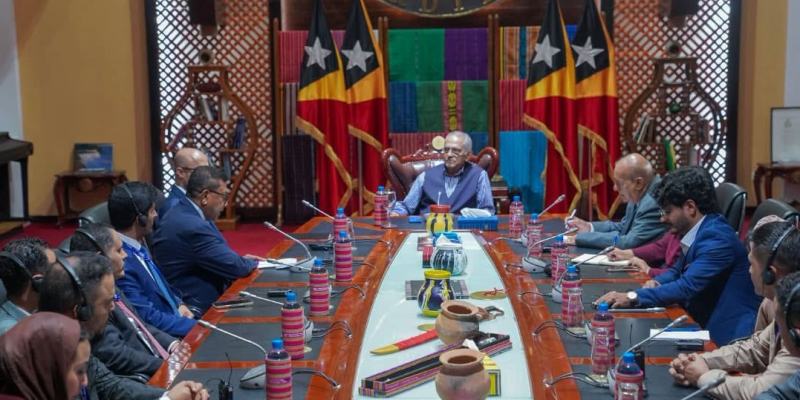
Prime Minister Xanana Gusmão, who attended the presentation, said the report would support more effective policymaking as the country continues its decentralization process.
He also called for increased investment in basic infrastructure, particularly roads and electricity, to improve living standards and ensure communities benefit from local governance reforms.
Gusmão noted that Timor-Leste will mark the 24th anniversary of the restoration of independence this year, and warned of continued reliance on imports. “We import almost everything, including products we can produce locally,” he said.
Vice Rector of Udayana University Gusti Ngurah Wirya said the cooperation with Timor-Leste supports food security, sustainable natural resource management, and integrated regional development.
He said the study comes at a critical time as Timor-Leste prepares to deepen regional integration within the Association of Southeast Asian Nations (ASEAN), adding that the findings could help develop more efficient and sustainable food systems with greater economic value.
The report also aligns with green economy strategies, promoting efficient resource use, environmental conservation, and development of sectors such as fisheries, aquaculture, and coastal management.
Journalist: Arminda Fonseca
Editor: Rafael Ximenes de A. Belo
Translation: Camilio de Deus