


CPLP culture ministers approve 2026-2028 action plan, launch literary prize in Dili
DILI, 06 May 2026 (TATOLI) — Ministers of culture from the Community of Portuguese Language Countries (CPLP) approved a multilateral cultural cooperation action plan for 2026-2028 and agreed to establish a literary prize for emerging Portuguese-language writers during a meeting in Dili on Tuesday.
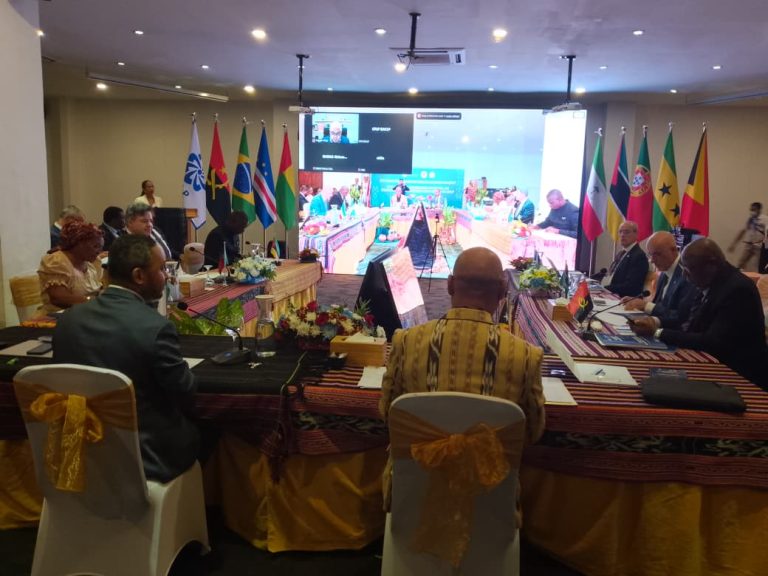
The 14th CPLP Meeting of Ministers of Culture was held in Dili under the theme “Safeguarding Cultural Heritage, Promoting Identity and Citizenship in the CPLP,” bringing together representatives of member states to strengthen cultural cooperation across the Lusophone bloc.
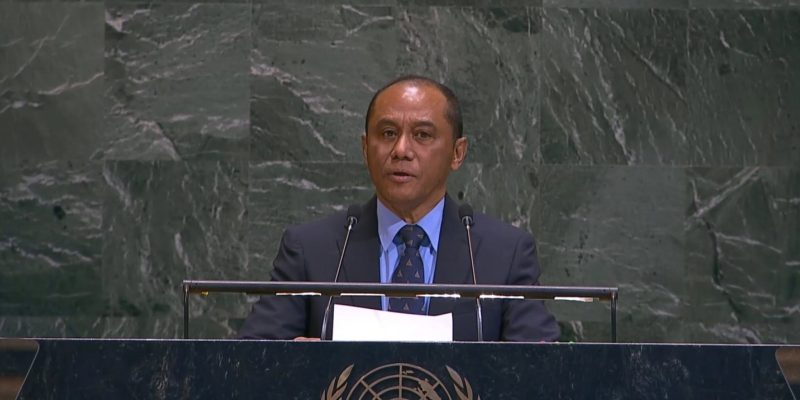
The meeting took place under Timor-Leste’s rotating presidency of the CPLP and was chaired by Youth, Sports, Arts and Culture Minister Nelyo Isaac Sarmento. CPLP Director-General Miguel Monteiro also attended on behalf of Executive Secretary Maria de Fátima Jardim.
Ministers endorsed the CPLP Multilateral Cultural Cooperation Action Plan for 2026-2028, which will guide joint cultural initiatives among member states over the next two years.
Delegates also agreed to establish the “CPLP Literary Prize: The Art of Writing in Portuguese, New Voices,” aimed at supporting emerging writers and promoting cultural diversity and literary exchange within the Portuguese-speaking community.
The ministers reaffirmed support for the creation of a CPLP Indicative Reading Plan designed to promote books, reading and access to information. To advance the initiative, member states proposed a working meeting involving the education and culture sectors and the International Portuguese Language Institute (IILP) to define the plan’s framework.
The meeting also stressed the importance of preserving historical memory and strengthening cultural cooperation in promoting critical understanding of slavery, the transatlantic slave trade and their historical consequences, while respecting positions adopted by member states in multilateral forums.
Among the resolutions adopted, ministers expressed support for Angola’s “semba” dance and Mozambique’s “xibugo” dance in their bids for inclusion on UNESCO’s Intangible Cultural Heritage of Humanity list.
The CPLP Cultural Heritage Commission was tasked with preparing an inventory of the tangible and intangible heritage of Portuguese-speaking countries and developing a shared digital database. Cultural focal points were also instructed to establish a CPLP network of cinematographic and audiovisual authorities.
In closing remarks, Sarmento said the decisions reached during the meeting demonstrated “a clear political will to place culture, art and heritage at the centre of development policies” in member states.
He added that the measures agreed in Dili should be translated into concrete action that strengthens Lusophone identity and shared citizenship across the CPLP community.
The ministerial meeting was preceded by the 13th Technical Meeting of CPLP Cultural Focal Points on May 4, which prepared the key documents and agenda items approved in Dili.
Journalist: Camilio de Sousa
Editor: Filomeno Martins