


Govt and UN strengthen coordination in the implementation of the decentralisation policy

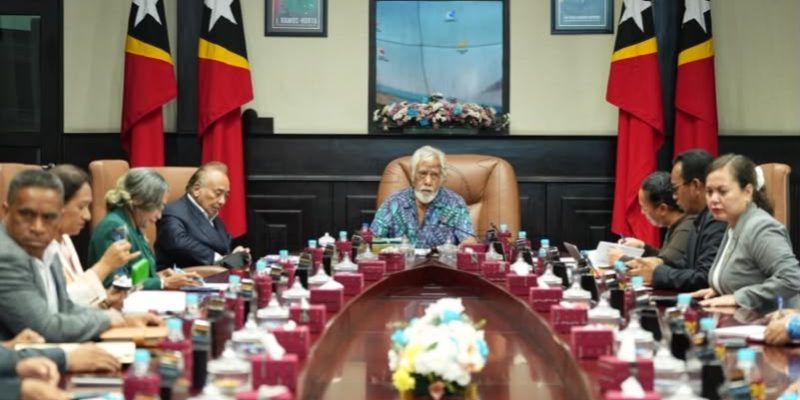
DILI, 11 May 2026 (TATOLI) – The Minister of State Administration, Tomás do Rosário Cabral, met on Friday (May 8, 2026) in Dili with representatives of United Nations agencies operating in Timor-Leste to review progress on the country’s decentralisation and local governance reforms and to align government priorities with ongoing UN-supported programs.
The meeting was attended by heads of UN agencies resident in the country, led by the UN Resident Coordinator, Funmi Balogun.
Cabral said decentralisation and the organisation of local government are enshrined in the Constitution and remain a key priority of the Ninth Constitutional Government. He said the policy is intended to bring public services closer to communities, strengthen civic participation, reinforce local institutions, and promote private sector development in remote areas.
He also outlined progress in implementing Government Resolution No. 6/2025, which sets out the Administrative Decentralisation Strategy and the establishment of local government bodies for the 2025–2028 period.
According to Cabral, the Ministry of State Administration is continuing assessments of minimum conditions in municipalities to determine their readiness ahead of the rollout of decentralisation and local governance structures.
He stressed the need for stronger coordination between international agencies and municipal authorities in delivering development programs at village, hamlet (suco), and administrative post levels. Priority sectors include education, health, agriculture, civil protection, and school feeding programs.
The minister also noted that the Special Administrative Region of Oecusse-Ambeno (RAEOA) has been placed under the supervision of the Ministry of State Administration following a recently approved decree-law, bringing its administrative framework in line with other municipalities.
UN representatives expressed support for the decentralisation process and reaffirmed their commitment to continuing technical assistance to local authorities. They also pledged to align their programs more closely with priorities identified by municipal governments.
TATOLI