


Ramos-Horta highlights steady gains in Timor-Leste human development
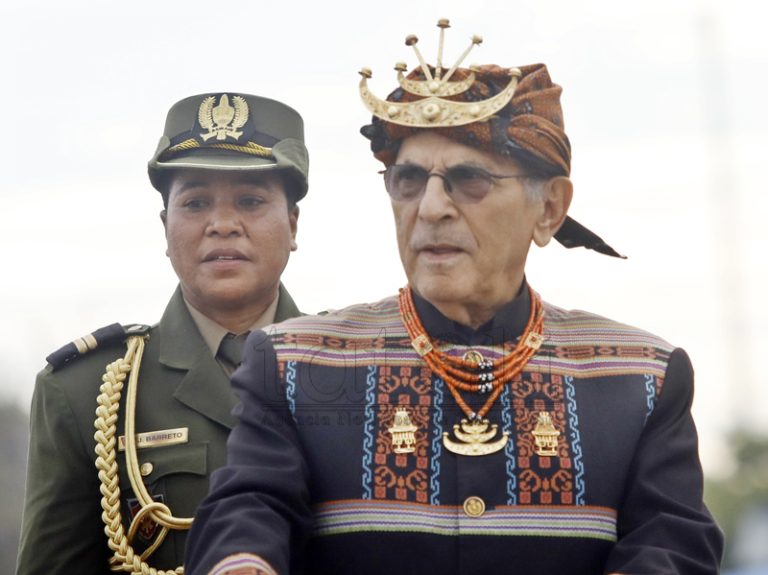
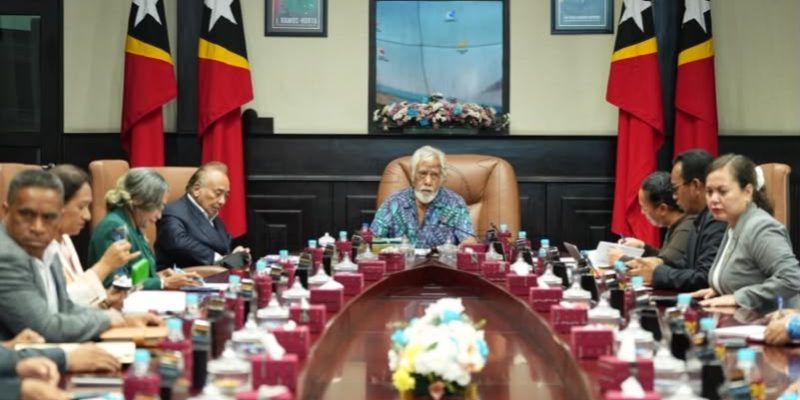
DILI, 20 May 2026 (TATOLI) — President José Ramos-Horta highlighted steady improvements in Timor-Leste’s human development, while urging stronger efforts to convert educational gains into economic productivity.
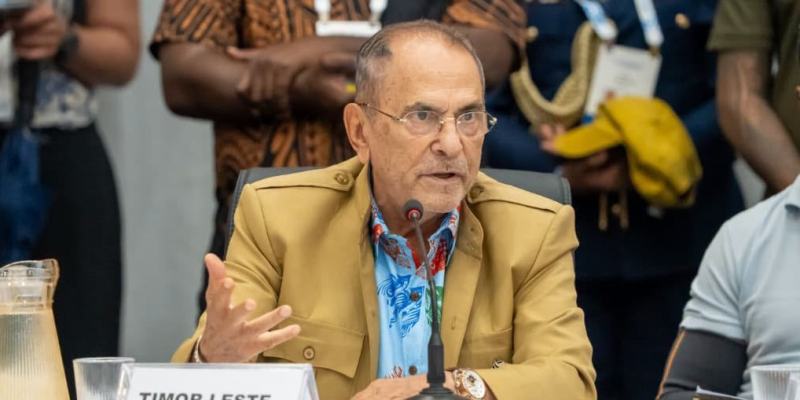
Speaking during celebrations marking the 24th anniversary of the restoration of independence in Dili, Ramos-Horta said social and human development progress was “real and measurable” and a source of “justified national pride”.
Citing data from the United Nations Development Programme (UNDP), he said the 2025 Human Development Report placed Timor-Leste in the medium human development category, ranking 142nd globally.
“In comparative terms within the CPLP countries, excluding Brazil and Portugal, Timor-Leste currently presents the second-highest human development indicator,” Ramos-Horta, adding that the country had made “significant progress over recent decades”.
He said that in higher education, the transformation is significant: “From a virtually non-existent reality in 1974, and starting from a single university in 2002, we have grown to 20 universities and approximately 70,000 students, forming a new generation of qualified professionals,” he said.
The Head of State commended both private initiatives and government support in expanding universities and improving infrastructure, equipment and teaching conditions, adding that institutions should ensure students have access to affordable meals.
Ramos-Horta said about 5,700 students enter higher education each year, while the country now counts more than 200 PhD holders, 1,400 master’s degree graduates, 49,000 university graduates and around 7,000 bachelor degree holders.
He also highlighted the scale of government investment in scholarships, noting that more than 11,700 scholarships had been awarded between 2011 and 2025 across 28 countries.
“This is, without doubt, one of the nation’s largest strategic investments: its human capital,” he said.
However, the President warned that the key challenge now was converting educational progress into economic productivity.
“The challenge is clear — how to transform this human capital into economic productivity — building skills, aligning education with the labour market, and accelerating economic diversification,” Ramos-Horta said.
He added that the country’s central task was no longer only measuring achievements, but ensuring they translated into “sustainable and inclusive prosperity”.
The president stressed that the country’s next phase of development depends on transforming its expanding pool of educated citizens into productive economic capacity, linking education more closely with labour market needs, and ensuring that progress ultimately delivers “sustainable and inclusive prosperity” for all Timorese.
TATOLI