


Ramos-Horta: Timor-Leste now an “oasis of peace” amid global turmoil
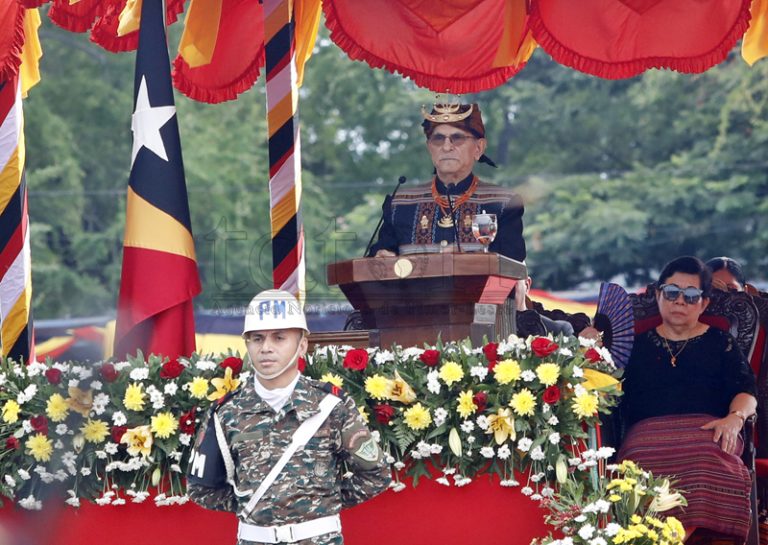
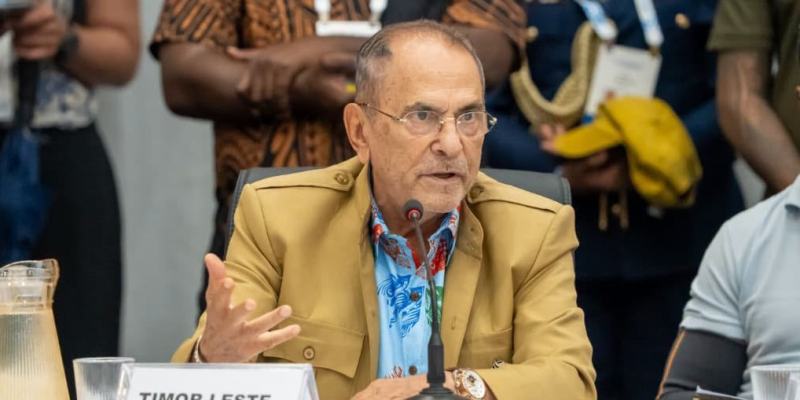
DILI, 20 May 2026 (TATOLI) — President José Ramos-Horta said on Wednesday that Timor-Leste had undergone profound transformation since the restoration of independence in 2002, describing the country as an “oasis of peace, tranquillity, security, and tolerance” in an increasingly unstable world.
Speaking during celebrations marking the 24th anniversary of the restoration of independence in Tasi-Tolu, Dili, attended by international guests as well as national, government and religious leaders, José Ramos-Horta said Timor-Leste today was “unequivocally, a different country” from the nation that emerged at the beginning of the century and from the country that existed in 1975.
“It is a country with more consolidated institutions, expanding infrastructure, and a younger generation that is more qualified and increasingly connected to the world,” he said.
The president said Timor-Leste had maintained democratic stability while many parts of the world faced wars, energy crises, food shortages, economic and financial instability, and increasingly severe natural disasters.
“We are a democratic country where fundamental freedoms and rights are respected, and we are well positioned in international indices of democracy and press freedom,” Ramos-Horta said.
He also highlighted the country’s social stability, saying Timor-Leste remained free from ethnic and religious tensions and that organized crime of national origin did not exist, while levels of violent crime remained low compared with many other countries.
Ramos-Horta said the nation had steadily strengthened its international standing by deepening ties with neighbouring and friendly countries and expanding its role within the Community of Portuguese Language Countries (CPLP), ASEAN and the United Nations system.
“Vital within this journey, special mention should be made of the accession to the World Trade Organization and ASEAN, diplomatic milestones that define Timor-Leste’s posture in the region and in the world,” he said.
The president noted that Timor-Leste would assume the ASEAN chairmanship in 2029, describing it as both “a major challenge” and an opportunity that would have been “unimaginable just a few years ago.”
Despite the progress achieved since independence, Ramos-Horta stressed that development must translate into tangible improvements in people’s daily lives.
“However, all these transformations will only represent real progress when they are reflected in people’s daily lives,” he said. “It is in the well-being of families, access to healthcare, quality education, and the opportunities given to our youth that the success of our national journey is ultimately measured.”
He acknowledged that challenges remained, particularly in human development, while emphasizing the need to continue improving social services and opportunities for young people.
“We look carefully at the progress we have achieved in human development — and, with equal clarity, at the challenges that still remain,” Ramos-Horta said.
President José Ramos-Horta portrayed Timor-Leste as a country that has made significant progress since the restoration of independence in 2002, emerging as a stable and peaceful nation in a turbulent global environment.
TATOLI