


Ramos-Horta underscores major progress in Timor-Leste health sector
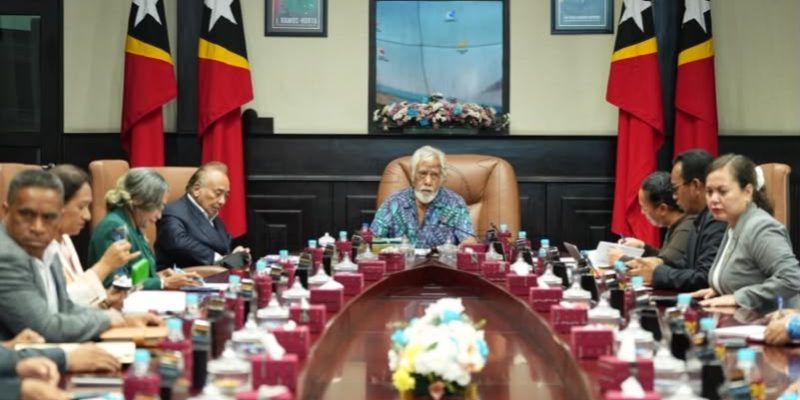
DILI, 20 May 2026 (TATOLI) — President José Ramos-Horta has highlighted significant improvements in Timor-Leste’s health sector, citing World Health Organization (WHO) findings that show steady and measurable progress in life expectancy, disease control and healthcare access.
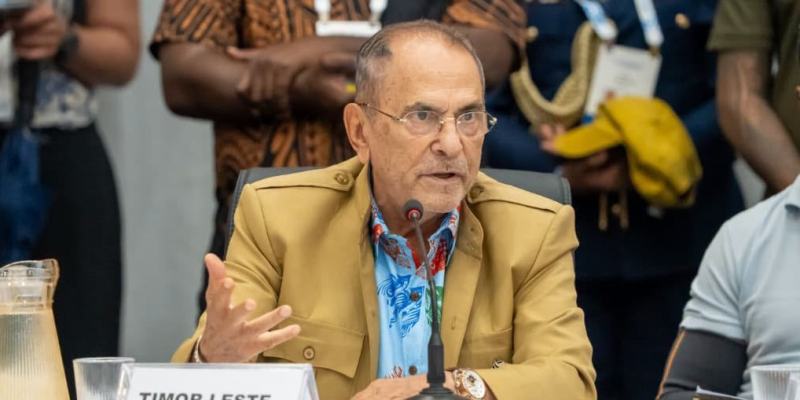
Speaking during celebrations marking the 24th anniversary of the restoration of independence, Ramos-Horta said life expectancy had risen from less than 60 years in 2000 to 70 years in 2026, describing the increase as a reflection of broader social progress.
“This is not a mere statistical detail; it reflects improved overall living conditions — better nutrition, the elimination of certain diseases, and greater access to medical care,” he said.
The president noted that the country’s medical workforce had expanded dramatically since independence, contrasting current capacity with the pre-independence period.
“In 1974, there was not a single Timorese doctor. In 2002, there were 19,” he said.
He said the country now had 1,025 doctors, including 113 specialists, alongside 1,774 nurses and 915 midwives. The health system, he added, includes six hospitals, 76 community health centres and 345 health posts nationwide.
Ramos-Horta said Timor-Leste had eliminated several diseases that previously posed major public health threats, including poliomyelitis, measles, rubella, maternal and neonatal tetanus, and lymphatic filariasis.
He also highlighted a major milestone in 2024, when the WHO declared malaria eliminated in Timor-Leste.
“This is a national achievement made possible with the solidarity of the international community, in particular the WHO and governmental partners,” he said.
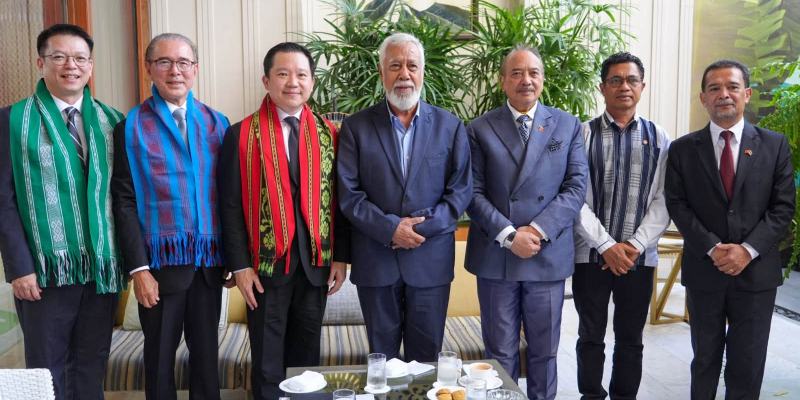
The president expressed gratitude to development partners, including the GX Foundation based in Hong Kong, China, for supporting public health initiatives such as water purification equipment and mosquito-control efforts targeting dengue.
He pointed to improvements in hospital capacity, including the establishment of intensive care units in several facilities and the installation of the country’s first national oxygen production unit. More than 1,000 health professionals have also been trained in emergency care.
Ramos-Horta said the government had sought to uphold the constitutional principle that access to healthcare is a fundamental right.
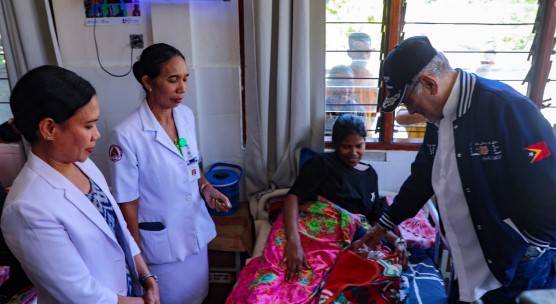
In 2024, he said, the Presidency of the Republic created the People’s Clinic to provide more accessible healthcare services.
Since its establishment, the clinic has carried out more than 6,000 medical consultations, distributed nearly 15,000 vitamin packages, and conducted hundreds of diagnostic tests including ultrasounds and X-rays, as well as more than 200 minor surgeries and dozens of emergency treatments.
He added that more than 1,000 referrals had been made in coordination with the national health system and the Bairro Pité Clinic Hospital. Additional support has also been distributed to institutions including orphanages, schools, health centres and community organisations, reaching thousands of beneficiaries.
Ramos-Horta said the initiative demonstrated that healthcare services could be delivered with “quality, efficiency, and a sense of mission”.
Despite progress, he warned that challenges remain, particularly in access and quality of care.
He said the country’s universal health coverage index stands at around 52 points, with persistent inequalities, especially in rural areas.
“We have developed the basic foundations of the health system, but we still need to consolidate a truly universal, equitable, and sustainable model,” he said, adding that this would be a major national challenge in the coming decade.
TATOLI