


DILI, 25 May 2026 (TATOLI) — Prime Minister Xanana Gusmão warned on Monday that climate change is posing an increasing threat to livelihoods, food security and regional stability across Southeast Asia, calling for stronger cooperation among ASEAN countries to respond to mounting global challenges.
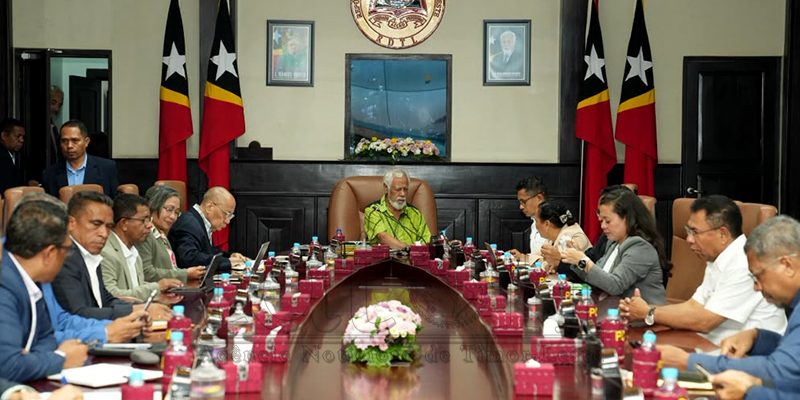
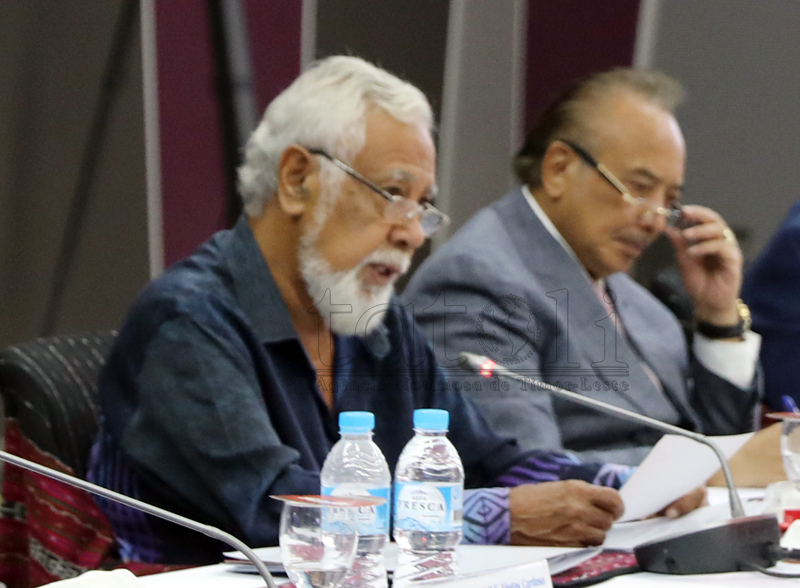
Speaking at the 2026 Timor-Leste and Development Partners’ Meeting (TLDPM) at the Ministry of Finance in Dili, Gusmão said the region is facing growing pressure from climate change, geopolitical tensions, food insecurity and transnational crime.
He said Association of Southeast Asian Nations remains a crucial platform for promoting economic integration, attracting investment, creating employment opportunities for young people, and protecting the region’s cultural identity and environment — particularly its marine ecosystems.
Gusmão said Southeast Asia is increasingly exposed to global instability, with rising geopolitical tensions, regional security risks and worsening climate impacts placing additional strain on governments and communities.
He noted that higher fuel prices have intensified pressure on food supplies, especially in import-dependent countries such as Timor-Leste, and stressed the need for stronger regional cooperation to build resilient, sustainable and accessible food systems.
Beyond economic pressures, Gusmão highlighted the growing threat posed by transnational crimes, including human trafficking and cybercrime, warning that such challenges could undermine regional stability and long-term development.
He said people’s security remains one of ASEAN’s core pillars and stressed that only close cooperation among countries in the region can protect citizens from external crises.
The prime minister said regional security is closely linked to climate resilience, describing Southeast Asia as one of the world’s most vulnerable regions to climate change.
He pointed to increasing risks from floods, droughts, tropical storms, sea-level rise and environmental degradation, warning that these impacts threaten lives, livelihoods and food supplies while increasing the risk of displacement, social tensions and conflict.
He added that investment in climate adaptation, resilient infrastructure, early warning systems and sustainable development models such as the blue economy should be seen as an investment in ASEAN’s collective security and future stability.
Gusmão said ASEAN’s cooperation mechanisms can help member states better address global challenges through stronger information-sharing, prevention and coordinated action, with the aim of building a more resilient, secure and stable region.
TATOLI