


The UAE’s Energy Transformation: A Partnership Model for a Sustainable Future
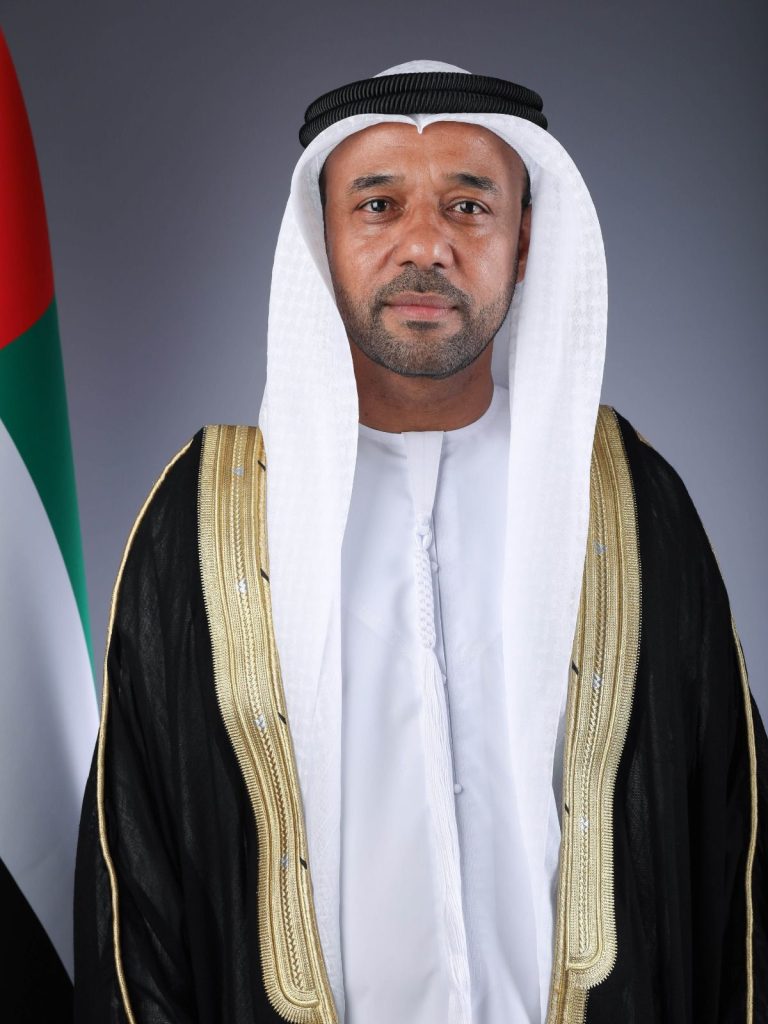
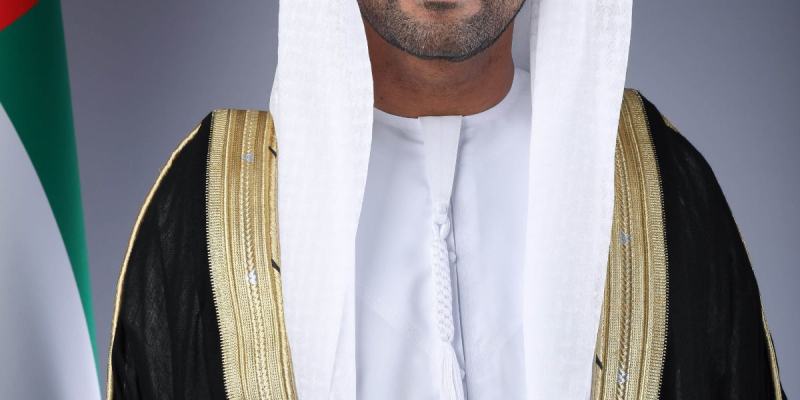
By: H.E. Abdulla Salem AlDhaheri
Ambassador of the United Arab Emirates to the Republic of Indonesia and the Democratic Republic of Timor-Leste (Non-Resident)
As the global community navigates the twin imperatives of energy security and accelerated climate action, countries are increasingly seeking development models that reconcile economic growth with long-term sustainability. The experience of the United Arab Emirates demonstrates that energy diversification is no longer a strategic option reserved for advanced economies but rather an essential pathway for any country aspiring to resilience and prosperity in a rapidly changing world.
For many decades, the UAE’s economic development was closely linked to its abundant oil and gas resources. Hydrocarbons served as the cornerstone of the country’s transformation, enabling the development of world-class infrastructure, the advancement of social and economic prosperity, and the emergence of the country as a dynamic global economic hub. Yet, the UAE demonstrated a forward-looking vision by recognizing early that the future of energy and sustainable growth would require diversification, innovation, and long-term investment in cleaner, more efficient, and future-oriented technologies.
Today, oil and gas exports account for approximately 30 percent of the UAE’s total economic activity, reflecting the country’s remarkable economic transformation and the rapid expansion of new growth sectors driven by technology, innovation, knowledge-based industries, and sustainable development. This transition has been guided by a clear national vision focused on building a diversified, competitive, and resilient economy capable of adapting to global shifts while contributing constructively to international climate and sustainable development objectives. At the heart of this vision lies the UAE Energy Strategy 2050, which seeks to establish a long-term framework for a balanced and diversified energy mix, integrating renewable energy, natural gas, nuclear power, and advanced low-carbon technologies. The strategy envisions an energy mix comprising 44 percent clean energy, 38 percent natural gas, and 6 percent nuclear energy. In line with evolving global dynamics and the UAE’s accelerating clean energy transition, the country has further strengthened its ambitions by aiming to triple the share of renewable energy by 2030, expand installed clean energy capacity to 14 gigawatts and beyond, contributing to the creation of 50,000 new jobs in the sector, and achieving net-zero emissions by 2050.
A defining feature of the UAE’s approach is its deep pragmatism in approaching the global energy transition. The UAE recognized early that the global energy transition would not follow a uniform or linear path, but would instead be shaped by differing national circumstances and development priorities. Conventional energy sources will continue to play an important role in supporting industrial development and ensuring energy security, particularly in emerging economies. Instead of framing traditional and renewable energy as competing alternatives, the UAE has adopted an integrated and balanced approach that advances both in parallel, within a realistic and forward-looking framework.
This approach is clearly reflected in the UAE’s leadership in large-scale solar energy development. The country is home to some of the world’s largest and most advanced solar projects, including Al Dhafra Solar PV, Noor Abu Dhabi, and the Mohammed bin Rashid Al Maktoum Solar Park in Dubai, alongside Abu Dhabi’s emerging Round-the-Clock (RTC) clean energy project, which will integrate large-scale solar generation with advanced storage and system flexibility solutions. The RTC project represents a new frontier in the UAE’s efforts to move from intermittent renewable generation toward reliable, dispatchable clean power at scale. Collectively, these initiatives reflect the UAE’s strategic approach of scaling proven technologies while simultaneously pioneering the next generation of energy systems to deliver cost-effective, secure, and continuous decarbonization.
In parallel, the UAE has achieved a landmark milestone by becoming the first Arab country to operate a peaceful nuclear energy program through the Barakah Nuclear Energy Plant in Abu Dhabi. With four operational reactors, Barakah now contributes around one quarter of the UAE’s electricity generation, significantly strengthening energy security while avoiding millions of tonnes of carbon emissions annually. The program has been widely recognized for its strong governance model, adherence to international standards of safety, transparency, and non-proliferation, in close cooperation with the International Atomic Energy Agency (IAEA), positioning it as a global reference point for responsible nuclear deployment.
Beyond renewable and nuclear energy, the UAE is actively shaping the next frontier of decarbonization through carbon management and clean hydrogen. The Abu Dhabi National Oil Company (ADNOC) has developed one of the region’s largest industrial-scale carbon capture, utilization, and storage (CCUS) facilities, reflecting a strategic commitment to reducing emissions from hard-to-abate sectors, while continuing to expand its investments in decarbonization technologies. At the same time, the UAE is advancing its National Hydrogen Strategy 2050, developing both blue and green hydrogen pathways, with the aim of positioning itself as a competitive global hub for hydrogen production and export.
Taken together, this integrated portfolio reflects a broader philosophy: economic development and sustainability are not competing objectives, but mutually reinforcing pillars of long-term resilience. In this framing, the energy transition is not only an environmental imperative, but a structural economic opportunity that drives industrial diversification, attracting investment, accelerating innovation, and supporting future job creation.
Complementing its domestic energy transformation, the UAE has also positioned itself as a proactive and constructive global partner in advancing clean energy and climate action. It has consistently translated national ambition into international engagement through major initiatives, including strengthening partnerships with developing and emerging economies, and scaling up climate and energy finance to support just and inclusive transitions. The UAE also spearheaded the successful hosting of the 28th Meeting of the Conference of the Parties (COP28) in Dubai, which resulted in the UAE Consensus – the historic agreement reached by 198 Parties to usher in a new era of climate action.
Through institutions such as the International Renewable Energy Agency (IRENA), hosted in Abu Dhabi since 2009, and targeted investments in renewable energy projects across Africa, Asia, and small island developing states, the UAE continues to play a catalytic role in accelerating global clean energy deployment and reinforcing collective efforts to achieve the objectives of the Paris Agreement.
These lessons are particularly relevant for developing and emerging economies such as the Democratic Republic of Timor-Leste, which stands at a pivotal stage of its nation-building journey. As one of Southeast Asia’s youngest nations, Timor-Leste has a unique opportunity to define an energy and development pathway that is not only sustainable, but structurally transformative, linking energy choices today to long-term sovereignty, economic resilience, and a more diversified growth model. Its natural resources, strategic location, and young demographic profile together provide a strong foundation for a development trajectory that can integrate energy access with industrialization, job creation, and broader economic diversification.
At the same time, Timor-Leste, like many resource-dependent economies, faces a critical question: how to translate natural resource wealth into durable national prosperity while carefully balancing immediate development needs with long-term energy and fiscal resilience. The issue extends beyond expanding access to energy; it is about shaping a development model that is resilient to external shocks and capable of delivering inclusive and intergenerational gains. Addressing this requires strong domestic institutions, but equally importantly, credible partnerships that can unlock investment, enable technology transfer, and accelerate scalable deployment of clean and efficient energy systems.
In this context, the UAE views international cooperation as a core pillar of the energy transition architecture, built through structured and practical collaboration combining capital, technology, and institutional capability. Through institutions such as Masdar and other national entities, the UAE has developed a model of investment-led development cooperation that focuses on enabling bankable renewable energy projects, strengthening energy access, fostering sustainable development, and supporting local capacity building in partner countries.
The UAE also places strong emphasis on energy partnerships that extend beyond investment alone and are grounded in long-term sustainability, technological innovation, and shared prosperity. Over the past decades, the UAE has built integrated capabilities across the full energy value chain, from hydrocarbons to renewable energy and advanced low-carbon solutions, positioning itself as a credible, long-term partner for countries navigating complex energy transitions.
During our official visit to Timor-Leste in November 2023, accompanied by representatives from the UAE Embassy’s economic section, Masdar, and other Emirati economic institutions, we had the opportunity to engage with senior Timorese officials on prospects for cooperation in the oil, gas, and renewable energy sectors, reflecting a strong mutual interest in deepening bilateral economic engagement. Timor-Leste expressed openness to collaboration with UAE institutions, including potential partnerships with ADNOC and Masdar. At the same time, it became evident that attracting large-scale investment requires a pipeline of viable, transparent, and commercially bankable projects supported by clear and predictable regulatory frameworks.
Across many developing and emerging economies, similar challenges are observed, including in Timor-Leste, particularly in translating national ambition into structured, investable frameworks. In many contexts, the enabling conditions for international energy investment, such as regulatory clarity, institutional capacity, and long-term planning visibility, play a decisive role in accelerating project development and mobilizing capital at scale. Strengthening these foundations should remain a priority, alongside the value of structured international partnerships that combine investment mobilization, technical expertise, and institutional capacity-building.
Such a transition will require strategic partnerships, institutional strengthening, infrastructure development, and investment in human capital. It will also require sustained international cooperation rooted in mutual respect and shared objectives.
The United Arab Emirates remains committed to supporting constructive partnerships that advance stability, sustainability, and inclusive economic progress. As Timor-Leste continues its development journey, its energy sector holds the potential to evolve from a resource base into a structural pillar of resilience, innovation, and national transformation.
With the right vision and sustained collaborative engagement, Timor-Leste’s energy transition can become a catalyst for broader economic transformation, one that benefits its people and contributes positively to regional and global sustainability objectives.
In an increasingly interconnected world, the energy transition cannot be achieved by any nation in isolation. It demands an approach that is simultaneously inclusive, realistic, and cooperative, balancing present development needs with future environmental responsibilities.
The UAE’s experience demonstrates that when long-term vision is matched with strategic investment and structured international partnerships, it is possible to simultaneously diversify economies, strengthen energy security, and accelerate decarbonization. For emerging economies navigating the complexities of the modern energy landscape, this transformation offers not only a policy reference but also a partnership model for shared prosperity in the decades ahead.