


Govt advances project to strengthen resilience and livelihoods of rural communities in Manatuto
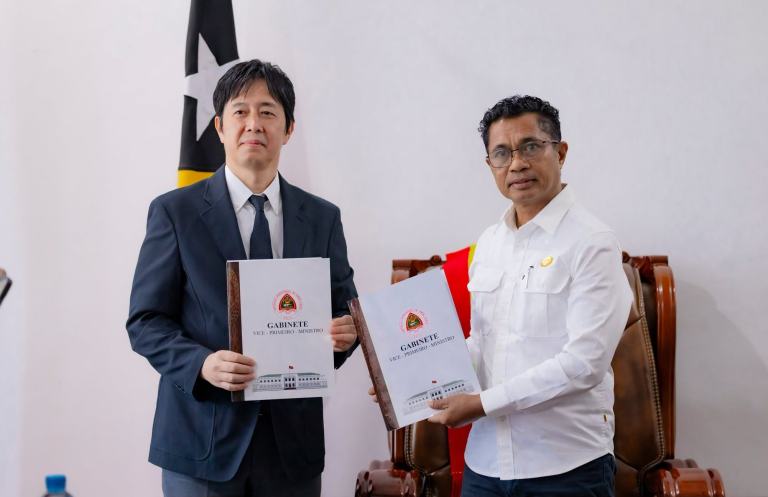
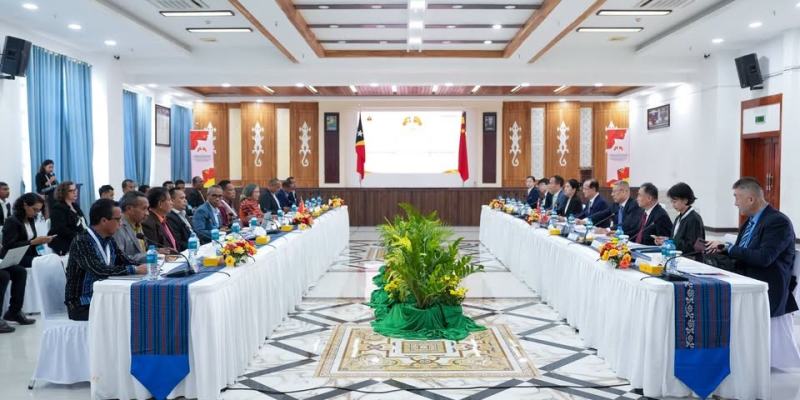
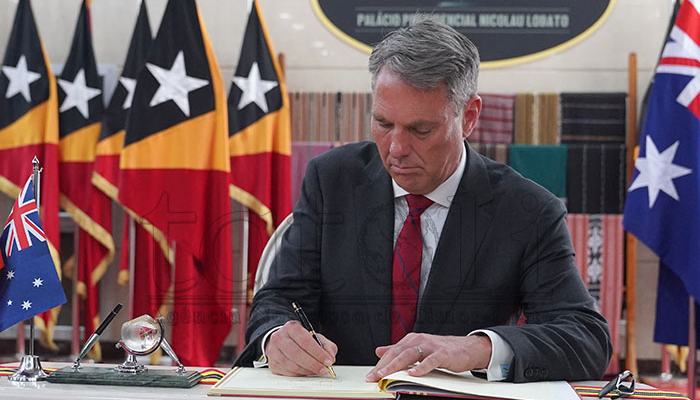
DÍLI, 8 September 2026 (TATOLI) – The Vice-Prime Minister, Mariano Assanami Sabino, in his capacity as Minister of Rural Development and Community Housing, signed on September 8th, 2026, an agreement with a consultancy firm valued at US$5 million to support the implementation of the Sectoral Project for Strengthening Resilience and Improving Livelihoods in Rural Areas in the municipality of Manatuto.
The project aims to improve living conditions and strengthen rural communities’ capacity to respond to economic, social, and environmental challenges through interventions in agriculture, food security, access to water, rural infrastructure, and livelihood diversification.
The signed agreement forms part of a broader US$16 million financing package agreed in 2024 between the Government of Timor-Leste, through the Ministry of Finance, and the Asian Development Bank (ADB) to implement the project over an estimated period of five to six years.
The intervention is expected to benefit around 46,000 people across approximately 30 villages in the municipality of Manatuto, where a large proportion of the population lives in rural areas and relies on small-scale agriculture as their primary livelihood.
Planned interventions include improving access to water, roads, and other rural infrastructure, boosting agricultural productivity, and promoting agroforestry systems adapted to climate change impacts.
The project also encompasses measures to strengthen food security, facilitate farmers’ access to markets, and support the commercialisation of agricultural produce. It also provides for the diversification of household income streams by developing new economic activities and employment opportunities within the targeted communities.
These initiatives seek to address the vulnerability of rural communities to prolonged droughts, floods, and other climatic phenomena that affect agricultural production, including crops such as maize and rice.
The project also foresees capacity-building actions for communities and local authorities, designed to enhance skills in planning, implementing, and managing rural development initiatives.
Improvements in agricultural production, food security, and access to water are also expected to help address nutritional challenges affecting families, particularly children, in the covered communities.
With the signing of this agreement, the project enters a new implementation phase, paving the way for the rollout of planned interventions across rural communities in the municipality of Manatuto.
TATOLI