


Ramos-Horta calls for greater investment in vocational training and local production
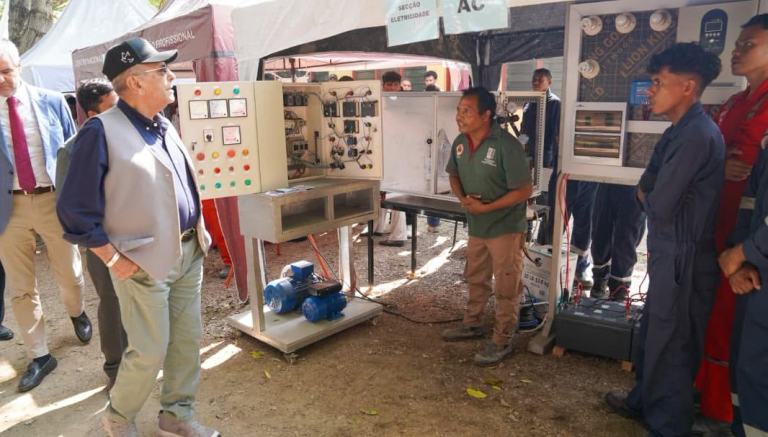
DÍLI, 29 October 2026 (TATOLI) – President José Ramos-Horta has called for greater investment in vocational training, digital skills and locally produced goods to expand employment opportunities for young people and strengthen the country’s economy.
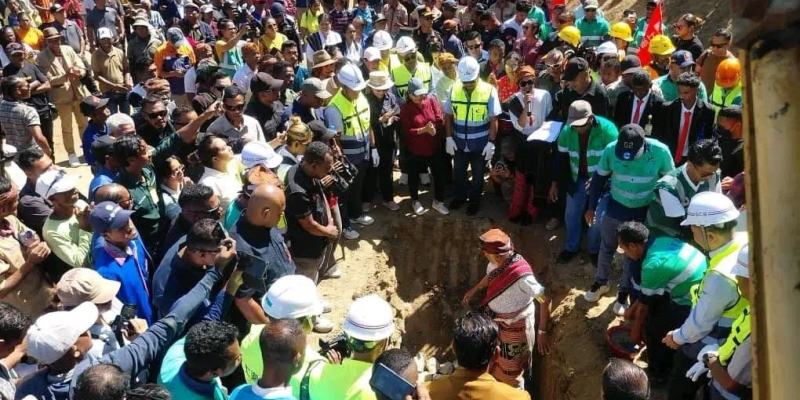
He made the remarks during the opening of the third Employment Fair organised by the National Centre for Employment and Vocational Training (CNEFP) in Tíbar, Liquiçá Municipality, on October 29.
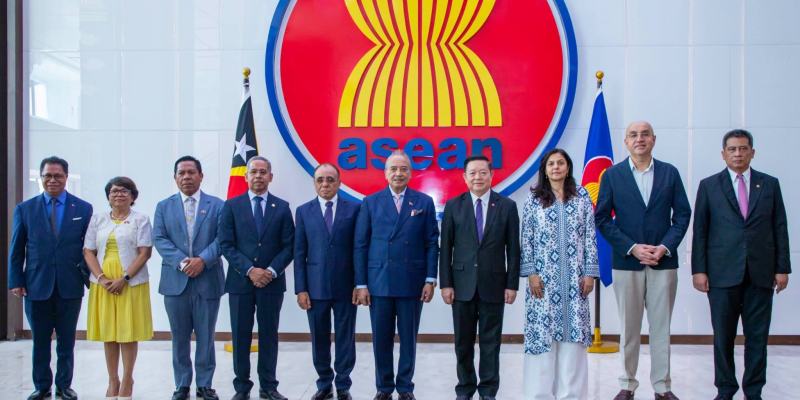
The event was attended by Vice-Minister for ASEAN Affairs Milena Maria da Costa Rangel and CNEFP Director José Simão Tito Barreto, alongside representatives of businesses, public institutions, diplomatic missions and local communities.
Held under the theme “From Communities to the World: Vocational Training and Rural Development for a Sustainable Future”, the fair aimed to connect trainees and young jobseekers with potential employers while promoting skills development aligned with labour market demands.
It brought together companies, government institutions, trainees and community representatives, providing opportunities for recruitment, job applications, networking with employers and practical demonstrations of skills acquired through vocational training programmes.
In his opening address, Ramos-Horta praised CNEFP’s contribution to developing the skills of Timorese youth and stressed the importance of sustained government investment in technical education, training facilities and digital literacy.
He said equipping young people with practical and digital skills was essential to preparing them for employment opportunities both at home and internationally, particularly as the global labour market becomes increasingly technology-driven.
The president also highlighted the connection between vocational training, job creation and the growth of domestic production.
He urged public institutions to prioritise purchasing goods produced in Timor-Leste, saying stronger demand for locally made products could support small businesses, stimulate domestic economic activity and generate employment.
Ramos-Horta cited agricultural production initiatives in Maubisse as examples of opportunities to strengthen local economic activities.
He also pointed to the Presidency’s decision to use locally produced drinking water as an example of supporting domestic businesses through public procurement.
Training exceeds annual target
CNEFP reported that it had trained 1,167 people by September 30, 2026, including 438 women and 729 men, through regular and specialised training programmes, partnerships, mobile training and professional internships.
The figure represents 170% of the centre’s annual target of 686 trainees for 2026, highlighting the growing reach of its vocational training programmes.
The centre offers courses across several economic sectors, including construction, agriculture, livestock, hospitality, tourism and maritime industries, as well as entrepreneurship and transferable skills.
Construction training covers masonry, plumbing, carpentry, electrical installation, welding, air conditioning and solar panel installation.
In agriculture and livestock, programmes include general farming, horticulture, animal husbandry, pig farming, biosecurity and sustainable cocoa and vanilla cultivation.
Hospitality and tourism courses cover accommodation services, food and beverages, local cuisine, community-based tourism and coffee preparation.
CNEFP also provides training in maritime industries, entrepreneurship and essential workplace skills, including basic computer literacy, workplace English, artificial intelligence, interpersonal skills and preparation for labour mobility.
Construction is the centre’s largest training sector in terms of the number of beneficiaries, followed by agriculture, hospitality and tourism, entrepreneurship, digital literacy, foreign languages and maritime industries.
The employment fair also featured a discussion on how vocational training and investment could contribute to rural development and job creation, bringing together business representatives, entrepreneurs and vocational training stakeholders.
Participants also had opportunities to meet potential employers, explore recruitment opportunities, submit job applications and observe practical demonstrations of vocational skills and entrepreneurial initiatives.
Portugal supports vocational training
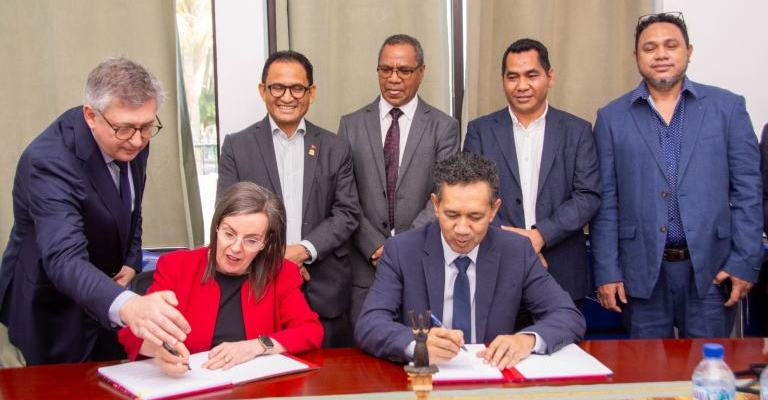
As part of the event, Portuguese Ambassador to Timor-Leste Duarte Bué Alves handed over information technology and multimedia equipment to CNEFP.
The equipment was provided with support from Camões – Institute for Cooperation and Language and is intended to strengthen training activities under the PROCULTURA project.
The opening ceremony also brought together members of the diplomatic corps, the President of the Liquiçá Municipal Authority and representatives of public institutions, businesses and other organisations.
The third Employment Fair forms part of CNEFP’s broader efforts to strengthen links between vocational education, employment and entrepreneurship, while helping trainees access opportunities in the labour market.
TATOLI