


PM Gusmão attends ASEAN Summits with international partners and regional Cooperation Meetings
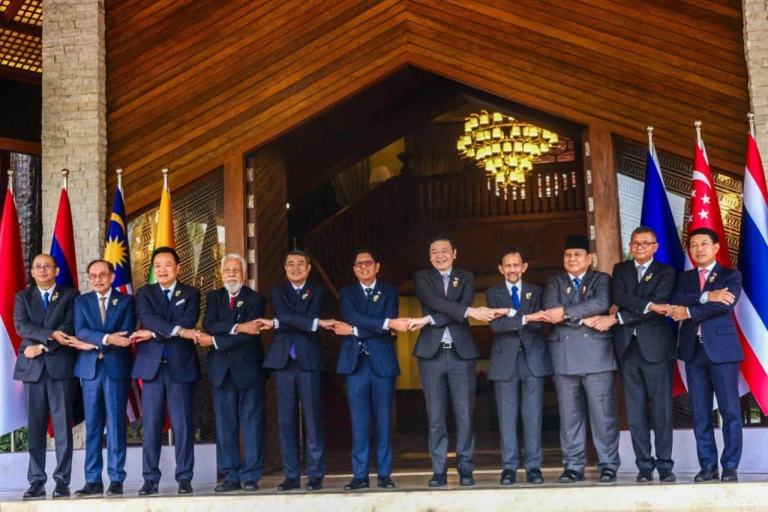
DILI, 18 November 2026 (TATOLI) — Prime Minister Kay Rala Xanana Gusmão joined regional leaders at the 49th Association of Southeast Asian Nations (ASEAN) Summit and Related Summits in Manila, reaffirming Timor-Leste’s commitment to regional integration and cooperation across trade, security, digital transformation and sustainable development.
The meetings, held from November 15 to 17, brought together leaders of ASEAN member states, dialogue partners and international organisations to review regional developments, address shared challenges and strengthen cooperation across political, economic and security sectors.
Timor-Leste’s participation marked another step in its integration into ASEAN following its admission as the bloc’s 11th member state in October 2025. The country also used the meetings to advance preparations for assuming ASEAN’s rotating chairmanship in 2029.
The Prime Minister was accompanied by Foreign Affairs and Cooperation Minister Bendito dos Santos Freitas and Vice-Minister for ASEAN Affairs Milena Rangel, who participated in preparatory and ministerial-level meetings ahead of the leaders’ engagements.
On November 15, Gusmão attended the summit’s plenary session and engagements with representatives of regional parliaments, youth organisations and the private sector. The opening ceremony also marked Timor-Leste’s inclusion in ASEAN’s official symbols, with the unveiling of the organisation’s updated flag and emblem reflecting its expansion to 11 members.
Among the key outcomes of the summit were the signing of the ASEAN Digital Economy Framework Agreement and the adoption of declarations covering micro, small and medium-sized enterprises (MSMEs), artificial intelligence (AI), critical minerals and regional economic cooperation. ASEAN leaders also reaffirmed Timor-Leste’s role in the organisation by confirming that the country will assume the ASEAN chairmanship in 2029.
Strengthening partnerships with dialogue partners
On November 16, Gusmão joined a series of ASEAN summits with China, the Republic of Korea, Australia and the United Nations, focusing on stronger political and economic ties, regional security and cooperation on emerging challenges.
At the 29th ASEAN-China Summit, leaders reviewed progress under the Comprehensive Strategic Partnership and outlined priorities for cooperation between 2026 and 2030. Discussions covered trade, investment, infrastructure connectivity, the digital economy and sustainable development.
Maritime security also featured prominently, particularly negotiations on a Code of Conduct in the South China Sea. Leaders underscored the importance of international law and peaceful approaches to resolving disputes.
The 27th ASEAN-Republic of Korea Summit focused on expanding economic cooperation, maritime security, digital transformation, artificial intelligence and human resource development. Leaders also discussed opportunities in cultural and creative industries and efforts to upgrade the ASEAN-Korea Free Trade Agreement.
At the sixth ASEAN-Australia Summit, discussions centred on trade and investment, regional security, education, public health and the transition to cleaner energy. The meeting marked the fifth anniversary of the ASEAN-Australia Comprehensive Strategic Partnership and resulted in a joint statement outlining future cooperation priorities.
Australia’s continued support for Timor-Leste’s ASEAN integration was also highlighted, particularly through regional capacity-building, professional training and connectivity initiatives.
Gusmão also participated in the 16th ASEAN-United Nations Summit, where leaders discussed multilateral cooperation on peace, human rights, sustainable development and climate change.
United Nations Secretary-General António Guterres drew attention to the growing impact of international conflicts, humanitarian crises and economic instability, calling for stronger international cooperation to address global challenges.
The situation in Myanmar and efforts to implement ASEAN’s Five-Point Consensus were also discussed.
Economic resilience, energy security and regional stability
On November 17, the Prime Minister attended the 29th ASEAN-Japan Summit, where leaders explored ways to deepen cooperation in maintaining regional peace and stability, promoting economic development, strengthening energy security and advancing technological innovation.
The discussions also addressed artificial intelligence, maritime security, skills development and people-to-people exchanges.
At the 29th ASEAN Plus Three Summit, bringing together ASEAN members, China, Japan and South Korea, leaders examined international economic and financial developments and strategies to strengthen regional resilience.
Food and energy security, financial stability and supply chain vulnerabilities were among the main issues. The meeting adopted two declarations, addressing maritime trade and logistics connectivity, and strengthening food and energy security against external shocks and supply chain disruptions.
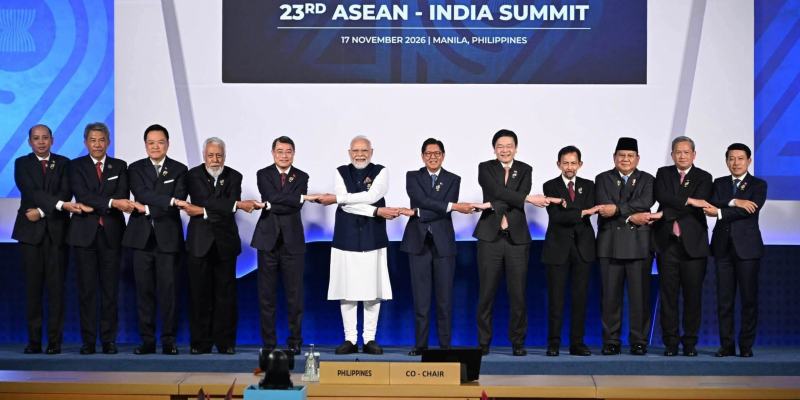
The 23rd ASEAN-India Summit provided another opportunity to advance regional cooperation, with discussions covering trade and investment, maritime security, digital transformation, renewable energy and sustainable development.
Leaders also reviewed the ASEAN-India Trade in Goods Agreement and explored cooperation in education, public health and disaster management.
The Prime Minister further attended the 21st East Asia Summit, a regional platform bringing together ASEAN leaders and their partners to discuss strategic, political, economic and security developments.
The discussions focused on geopolitical tensions, regional stability, maritime security and collective responses to emerging challenges.
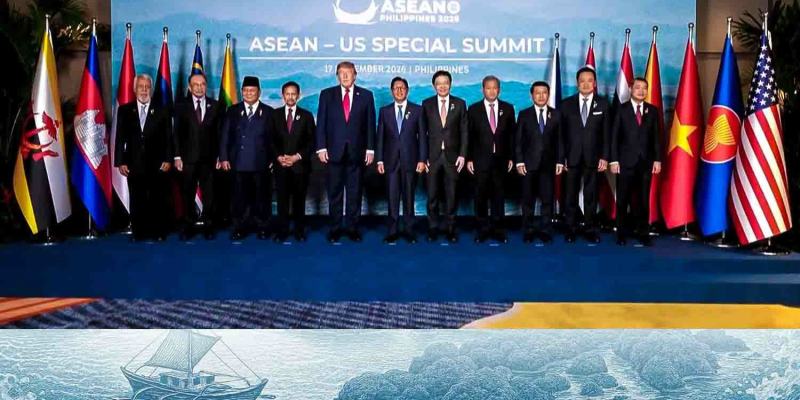
At the ASEAN-United States Special Summit, leaders addressed opportunities to expand trade and economic relations, strengthen digital cooperation, promote artificial intelligence and secure critical mineral and supply chains.
The meeting also resulted in the adoption of a joint declaration establishing principles for public-private sector cooperation to combat online fraud, reflecting growing regional concerns over cybercrime and cross-border scams.
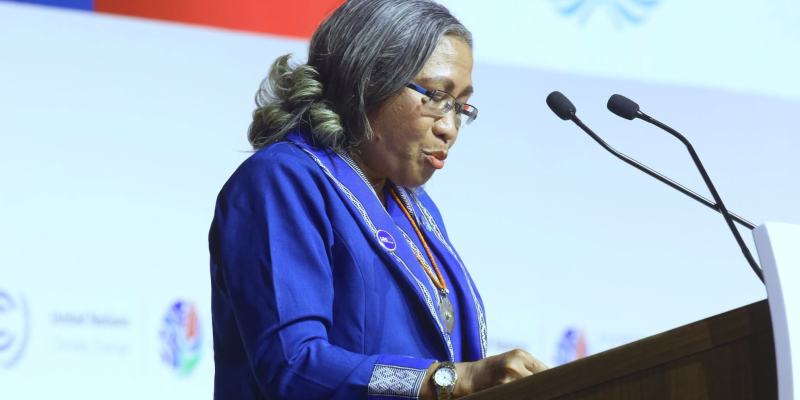
Timor-Leste also participated in the fourth Asia Zero Emission Community (AZEC) Leaders’ Meeting, which focused on energy security, diversifying energy sources and reducing greenhouse gas emissions.
The leaders’ joint declaration welcomed Timor-Leste’s participation in regional cooperation on these issues and expressed readiness to explore further opportunities for collaboration with the country.
Bilateral engagement and economic opportunities
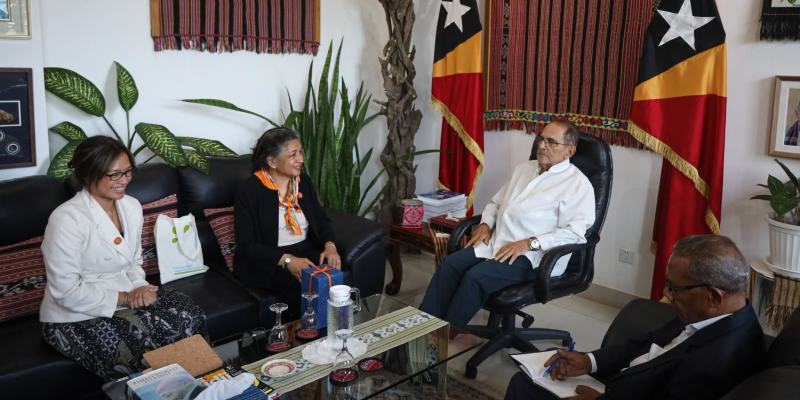
On the sidelines of the summit on November 16, Gusmão met with US Under Secretary of State for Political Affairs Alison Hooker to discuss bilateral relations and opportunities to expand cooperation.
The discussions covered economic development, security, defence, education and human resource development, reflecting the two countries’ shared interest in strengthening their partnership.
During his visit, the Prime Minister also gave an interview to Cignal News, highlighting the importance of preparing Timor-Leste’s domestic economy to benefit from the opportunities created by ASEAN membership.
He stressed the need to strengthen the private sector, support micro, small and medium-sized enterprises and increase domestic production to generate employment and improve the country’s competitiveness in the regional market.
His remarks underscored the importance of translating ASEAN membership into tangible economic benefits for Timor-Leste, particularly through stronger businesses, increased investment and expanded access to regional markets.
The 49th ASEAN Summit and Related Summits concluded on November 17 with a closing ceremony and the transfer of ASEAN’s chairmanship from the Philippines to Singapore. Singapore will officially assume the rotating leadership on January 1, 2027.
Timor-Leste’s participation in the series of high-level meetings reflects its growing engagement in regional affairs as it consolidates its position within ASEAN and prepares to take on greater responsibilities, including the organisation’s chairmanship in 2029.
TATOLI