


SEFOPE and GIZ launch LMIS mapping study in Timor-Leste
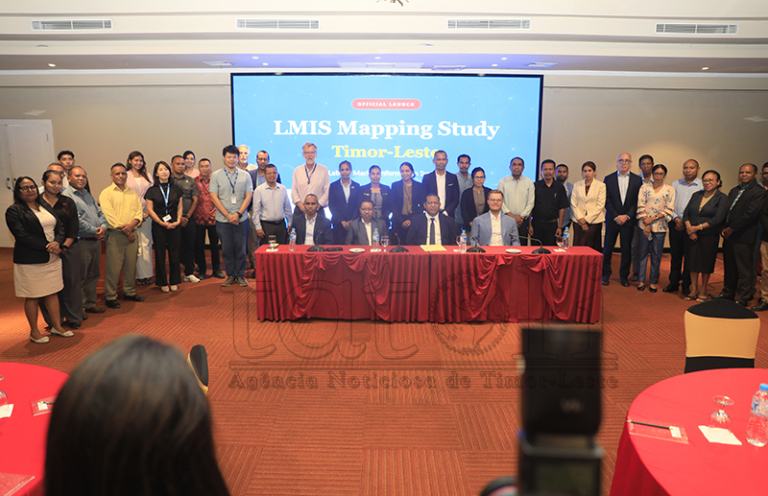
DÍLI, 26 November 2026 (TATOLI) — Timor-Leste has launched a study to map its Labour Market Information System (LMIS), aiming to improve coordination between vocational training programmes and the skills demanded by employers.
The study was launched by the State Secretariat for Vocational Training and Employment (SEFOPE), in partnership with the German Agency for International Cooperation (GIZ) through its RECOTwin programme, at Novo Turismo Hotel in Dili, today.
The initiative also included the presentation of findings from consultations on the green and digital transitions and their implications for labour market policies and the technical and vocational education and training (TVET) system.
Speaking at the event, Secretary of State for Vocational Training and Employment Rogério Mendonça said labour markets were continually evolving in response to economic growth, technological advances and changing demands across productive sectors.
He stressed the need for vocational training to keep pace with these changes, enabling young people and workers to acquire the knowledge, skills and qualifications required to access employment opportunities.
“Labour market information systems play an important role in collecting, analysing and disseminating information on workforce needs, occupations and skills sought by employers, employment opportunities in the public and private sectors, unemployment and labour market trends,” Mendonça said.
He said reliable and up-to-date information would help the Government make informed decisions and develop evidence-based public policies.
The mapping study aims to identify existing systems and institutions involved in gathering labour market data, clarify their respective responsibilities, assess gaps and challenges in information management, and improve coordination among institutions.
It will also develop recommendations and priority measures to establish an efficient, sustainable and accessible labour market information system.
Mendonça said developing the system would require collective efforts beyond SEFOPE, involving the private sector, industries, vocational training institutions, civil society and development partners.
Meanwhile, GIZ/RECOTwin representative Sebastian Maerz said Germany’s support was also intended to contribute to Timor-Leste’s integration into the Association of Southeast Asian Nations (ASEAN), particularly in vocational training and employment.
He said the cooperation aimed to help adapt Timor-Leste’s technical and vocational education and training system to the changing demands of the digital economy and the transition towards a greener economy.
Maerz emphasised the importance of equipping workers with relevant vocational skills to improve their access to employment opportunities increasingly shaped by sustainability priorities and digital technologies.
Journalist: Afonso do Rosário
Editor: Isaura Lemos de Deus
Translation: Filomeno Martins