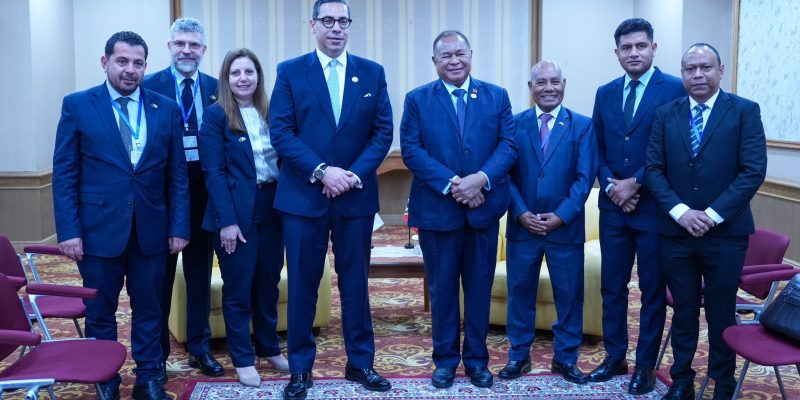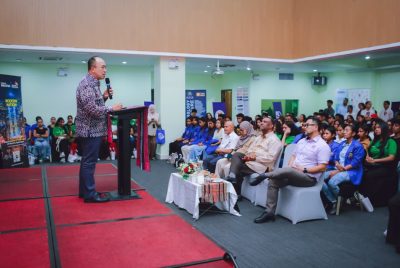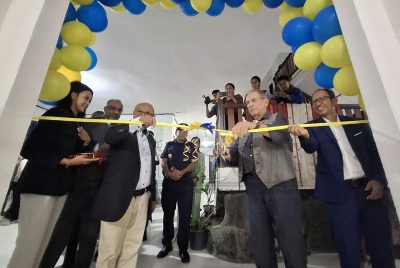




DILI, 02 June 2025 (TATOLI) – The World Health Organization (WHO), in partnership with Timor-Leste’s Ministry of Health, hosted a national workshop aimed at strengthening the country’s response to HIV and tuberculosis (TB) by addressing stigma and discrimination.
Held at the Novo Turismo Hotel in Dili, the event brought together health professionals, government officials, international advocates, and civil society organizations. The workshop underscored the urgent need for coordinated action to eliminate the stigma and discrimination that continue to hinder access to testing, treatment, and care for people affected by HIV and TB in Timor-Leste.
WHO Representative to Timor-Leste, Arvind Mathur opened the workshop with a powerful call to action.
“We are gathered here today not only as health professionals, but as defenders of human dignity- as allies to those who have been pushed to the margins by fear and judgement,” said Mathur. “We have made progress in diagnosis, treatment, and surveillance; but there is an invisible barrier that undermines it all — stigma.”
Mathur referred to stigma as a hidden enemy, highlighting the significant psychological and social burden it places on individuals affected by the disease.
“Stigma isolates people, it forces them into silence, drives them away from care, and leaves them to suffer alone,” he said. “For many, the disease is not the hardest part. It is the shame, the rejection, the crushing weight of being treated as less than human.”
He emphasized that stigma is more than a social issue—it is a public health emergency that leads to mental trauma. “Stigma is trauma. It breeds fear, anxiety, self-loathing and despair — long after the body has healed. Mental health, therefore, is not a peripheral issue. If we treat the disease but ignore the psychological scars, we have only done half our job.”
Mathur, therefore, said that the workshop aims to equip participants with practical tools and strategies to “dismantle stigma — not just in policies, but in everyday actions.”
He encouraged participants to take what they learned back to their clinics, communities, and their leadership tables. “Let this be the moment Timor-Leste commits not just to ending TB and HIV, but to ending the isolation and suffering that come with them,” Mathur stressed.
“WHO stands firmly with the Ministry of Health and all our partners in this fight. Together, let us cure more than the disease — let us cure the silence, the fear, and the injustice that surrounds it,” Mathur said.
Despite significant progress, Timor-Leste continues to shoulder one of the highest TB burdens in Southeast Asia, while HIV remains a growing concern.
Since 2003, the country has reported 2,316 HIV-positive cases, with 1,299 currently receiving treatment and 399 confirmed deaths.
Mathur thanked Elisabeth Leto Mau, Director-General of Primary Health Care, whose presence highlighted the government’s commitment to tackling stigma across a range of diseases—not just TB and HIV, but also leprosy.
He also recognized the key role of the Global Coalition of TB Advocates (GCTA), praising CEO Blessi Kumar and advocate Rosalynn for their efforts in promoting community-led, stigma-free healthcare as a model for lasting change.
Journalist: Camilo de Sousa
Editor: Filomeno Martins