


DILI, 14 April 2026 (TATOLI) — The Ministry of Education launched a new phase of teacher training to support the implementation of the revised curriculum for the lower secondary school as part of broader efforts to improve the national education system.
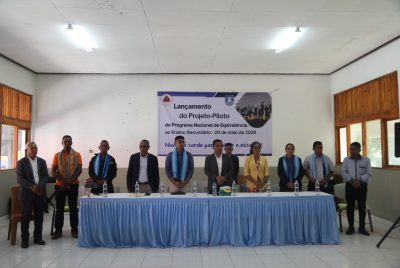
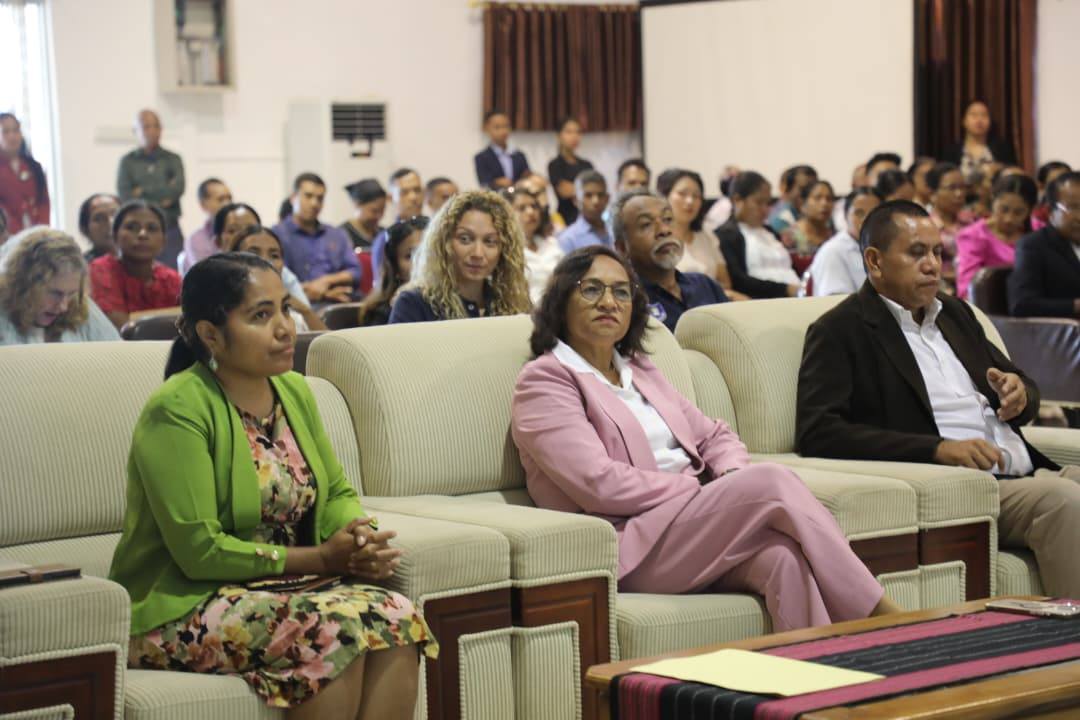
The Minister of Education, Dulce de Jesus Soares, presided over the official opening of the 2026 training programme for the core curriculum of the third cycle of basic education, held at INFORDEPE in Dili.
The initiative marks the start of a nationwide training cycle aimed at implementing the new curriculum for Grades 7, 8 and 9, approved by the Council of Ministers in September 2024.
Since its approval, progressive training sessions have been conducted for teachers and trainers to support its application in schools across the country.
The updated curriculum replaces the 2011 version and establishes a common framework for basic education, with a focus on modernising content and teaching methods in line with current needs. It aims to strengthen scientific and language knowledge while promoting skills such as critical thinking, creativity, communication and appreciation of cultural traditions.
It also introduces a new subject, “Human Fraternity, Morals and Ethics,” alongside components such as digital literacy and physical and mental well-being, allowing adaptation to local contexts.
In her remarks, the minister said the curriculum and teaching materials were developed based on scientific rigor and quality standards through consultations and reviews with multiple stakeholders, but stressed that improved outcomes would depend on proper teacher training.
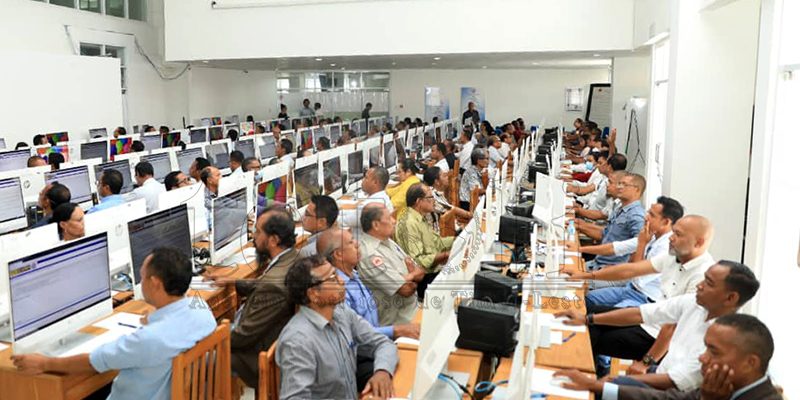
The latest phase began with a three-week training programme for trainers in Dili and will be extended to municipalities and administrative posts nationwide, officials said.
Hye Young Kim, a project coordinator at UNESCO, said the initiative represents further progress in implementing the curriculum reform launched in 2024.
The curriculum is based on principles of equality, inclusion and participatory learning, incorporating research-based teaching approaches tailored to local realities and promoting practical skills such as problem-solving and collaboration.
Training activities will continue throughout 2026 across the country as part of wider government measures to strengthen the education system, including curriculum reform at multiple levels, teacher recruitment and training, school infrastructure improvements and increased use of technology in classrooms.
Journalist: Camilio de Sousa
Editor: Filomeno Martins