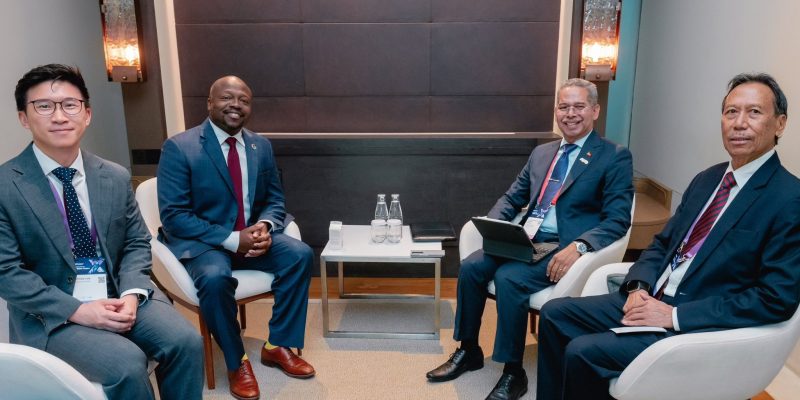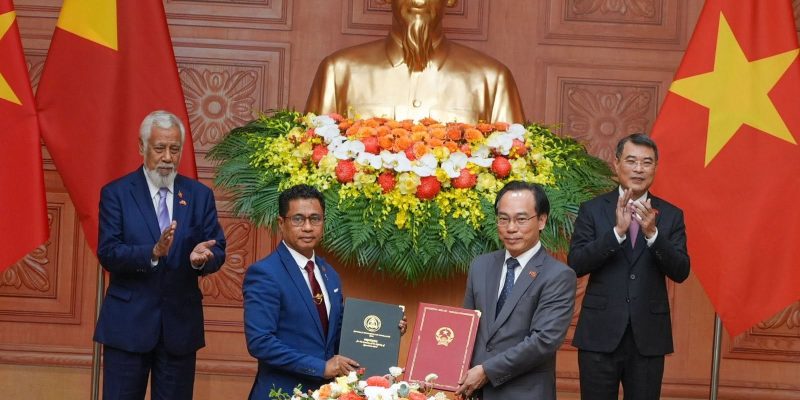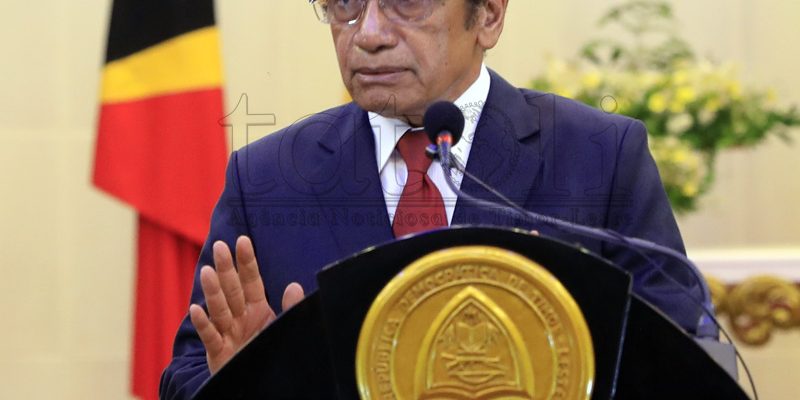



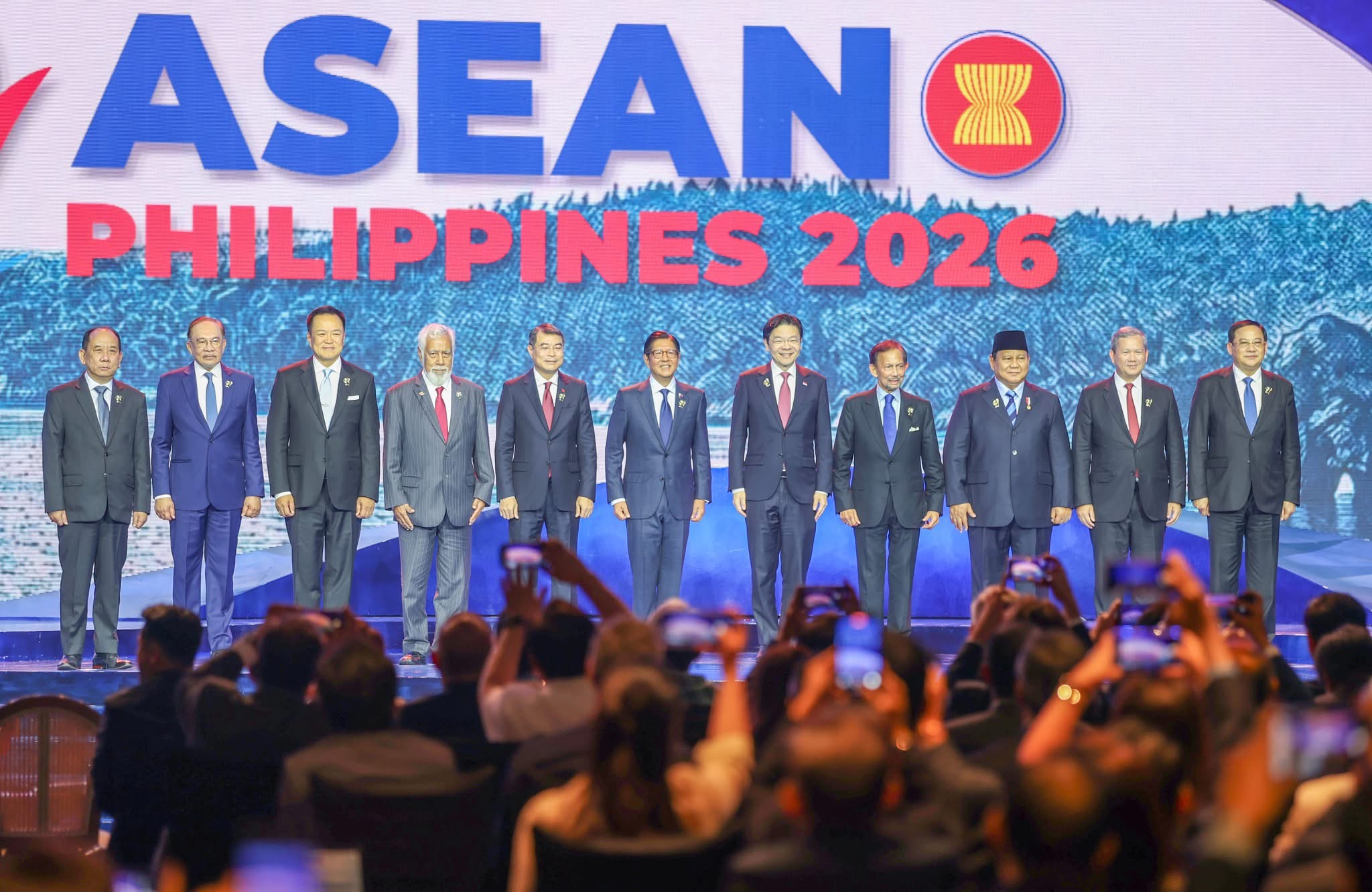
DILI, 09 May 2026 (TATOLI) – ASEAN leaders on Friday concluded the 48th ASEAN Summit in Cebu, the Philippines, issuing a joint statement on the Middle East crisis and pledging stronger regional measures to address global energy shortages and supply disruptions.
1) We, the Association of Southeast Asian Nations (ASEAN), gathered in Cebu on the occasion of the 48th ASEAN Summit on 8 May 2026, amidst rising geopolitical tensions and growing uncertainty in the geo-economic landscape. We exchanged views on the evolving situation in the Middle East and ways to urgently address its implications for ASEAN, including on regional trade, investment, energy and food security, as well as the impact on our peoples.
2) We expressed serious concern over the rapidly evolving situation in the Middle East, which poses a grave threat to the lives and safety of civilians, as well as to regional and global peace and stability. We welcomed the ceasefire between the United States and the Islamic Republic of Iran, mediated by the Islamic Republic of Pakistan, with the support of other concerned parties, and continue negotiations in good faith to bring about a lasting resolution to this conflict. We urged all parties involved to maintain conducive conditions for the full and effective implementation of the ceasefire, by exercising utmost restraint, ceasing all hostilities, and avoiding any acts that may aggravate the situation. We underscored the importance of maintaining regional peace, stability and prosperity, upholding international law, and promoting genuine dialogue and diplomacy in addressing conflicts and tensions, including the need for a complete and immediate cessation of hostilities across all fronts in the Middle East.
3) We further reaffirmed the obligations of all States to resolve their differences through peaceful means, and to respect the sovereignty and territorial integrity of all nations, to protect civilians and civilian infrastructure in armed conflicts, and to ensure the safety and security of United Nations peacekeepers and humanitarian personnel, in accordance with international law, including international humanitarian law, the UN Charter, and relevant UNSC resolutions.
4) We reaffirmed the importance of maintaining maritime safety and security, and upholding freedom of navigation in and overflight above straits used for international navigation, in accordance with international law, in particular the 1982 UNCLOS. We expressed deep concern over any discriminatory or unilateral measures, that may impede or obstruct vessels passing through the Strait of Hormuz, or any straits used for international navigation, which are inconsistent with international law, as reflected in the 1982 UNCLOS, and called for the restoration of the safe, unimpeded, and continuous transit passage of vessels and aircraft in the Strait of Hormuz, in accordance with the 1982 UNCLOS, as well as for all parties to ensure the safety of seafarers and ships in accordance with the International Convention for the Safety of Life at Sea (SOLAS). ASEAN also acknowledged the International Maritime Organization’s collective commitment to ensure the protection and promotion of the safety and well-being of the seafarers in the region.
5) We also discussed the safety and welfare of our nationals in the affected areas and re-emphasised the principles and shared commitment to provide emergency assistance to ASEAN nationals, especially during this time, in accordance with the ASEAN Declaration on the Guidelines on Consular Assistance by ASEAN Member States’ Missions in Third Countries to Nationals of Other ASEAN Member States, the Guidelines for the Provision of Emergency Assistance by ASEAN Missions in Third Countries to Nationals of ASEAN Member Countries in Crisis Situations and the ASEAN Guidelines on Protection of Migrant Workers and Family Members in Crisis Situations. We acknowledged and appreciated the assistance and efforts made by fellow ASEAN Member States in this regard and underlined the importance of exploring the possibility of mutually beneficial collaboration with external parties.
6) We discussed the impact of the conflict in the Middle East on global and regional economic activities, particularly on energy markets and maritime and air transport routes, and underscored the importance of maintaining stable, open, and reliable global energy supply chains and maritime trade routes as well as overland and cross-border transit routes. We further stressed the need to preserve the unimpeded flow of energy and essential goods, including food, agricultural inputs, pharmaceutical products, and transport fuels, in order to safeguard economic stability and strengthen resilience across ASEAN. We welcomed the UN Secretary General’s initiative to establish a dedicated Task Force to explore interim measures to address food insecurity and mitigate disruptions to agricultural supply chains, and noted the proposal from ERIA to consider a study on a regional joint oil stockpiling.
7) In light of these recent developments, we reaffirm our shared resolve to undertake the following priority actions for regional resilience:
a) Strengthening Crisis Coordination, External Engagement, and Institutional Readiness
i) Enhance ASEAN coordination and consultation mechanisms at all levels, including through the timely convening of relevant ASEAN cross-sectoral meetings and consultations, and explore a possible ASEAN Foreign Ministers’ crisis communication and coordination protocol to ensure a coherent, timely and coordinated regional response to crises with cross-sectoral impacts.
ii) Effectively utilise ASEAN-led mechanisms and external platforms, including ASEAN Plus One, ASEAN Plus Three, the East Asia Summit, and the ASEAN Regional Forum, to promote dialogue, coordination and cooperation to build regional resilience.
iii) Promote coordination of ASEAN positions and response in addressing the situation in the Middle East and its implications at the United Nations and other relevant multilateral fora, as appropriate.
iv)Explore ASEAN’s contributions to de-escalation, confidencebuilding, and humanitarian efforts, including through ASEAN-led mechanisms and relevant ASEAN bodies.
v)Enhance institutional readiness and our collective capacity to engage in crisis coordination mechanisms, including through technical assistance, and the exchange of information to facilitate early warning and strategic foresight capabilities, with the support of the ASEAN Secretariat.
c) Strengthening Financial Resilience and Macroeconomic Stability
i) Strengthen regional financial resilience through strengthening policy coordination among ASEAN Member States, and enhancing financial cooperation including with international financial institutions and development partners to safeguard macroeconomic and financial stability.
ii) Enhance liquidity management to support intra-ASEAN trade and investment and encourage the development of innovative financing structure, utilising blended finance and de-riskingmechanisms to mobilise private capital at scale, and commit towards greater financial inclusion for the vulnerable populations and micro, small and medium enterprises (MSMEs).
d) Safeguarding Food Security and Agricultural Supply Chains
i) Further enhance regional monitoring mechanisms, through more frequent and timely information sharing where possible, such as on food production, fertiliser supply, prices, and logistics disruptions, building on existing platforms such as the ASEAN Food Security Information System (AFSIS), and in coordination with relevant sectoral bodies.
ii) Explore the utilisation of all ASEAN Plus Three Emergency Rice Reserve (APTERR) mechanisms to strengthen regional food security and resilience for Member States during the time of crisis.
iii) Enhance cross-sectoral coordination to ensure the stability and accessibility of essential commodities across the region.
e) Strengthening Trade, Supply Chains, and Market Stability
i) Maintain open, transparent, and predictable markets, as well as secure and open sea lanes, and ensure freedom of navigation, the safe, unimpeded and continuous transit passage of vessels and aircraft in straits used for international navigation, and preserve the unimpeded flow of essential goods, including food, energy and key inputs, in accordance with international law, particularly the 1982 United Nations Convention on the Law of the Sea (UNCLOS).
ii) Strengthen intra-ASEAN trade and supply chain connectivity through improved logistics coordination, timely information sharing and continuous consultations, and joint mitigation strategies as well as where possible, keeping our trade infrastructure such as land borders, airports, and seaports open.
iii) Implement relevant and binding ASEAN Agreements and refrain from introducing unnecessary non-tariff measures, and other trade-restrictive measures.
iv) Swiftly ratify and ensure the timely entry into force within this year, where possible, of the Second Protocol to Amend the ASEAN Trade in Goods Agreement (ATIGA).
v) Diversify sources of trade and investment to support ASEAN businesses, including MSMEs, by leveraging ASEAN economic agreements, including through the effective implementation of existing and upgraded ASEAN Plus One Free Trade Agreements, maximising the utilisation of the Regional Comprehensive Economic Partnership (RCEP) Agreement, and the timely conclusion and signing of the ASEAN Digital Economy Framework Agreement (DEFA) within the year.
vi) Accelerate regional initiatives to ensure the seamless movement of essential goods in the region, including by enhancing transparency and predictability in customs procedures through the adoption of digital technology and expanding the ASEAN Single Window to Dialogue Partners.
vii) Ensure support to Micro, Small, and Medium Enterprises (MSMEs), through access to finance, digital tools, and capacity-building initiatives, that would ensure their continued participation in regional and global value chains.
f) Strengthening People-Centred and Humanitarian Response
i) Enhance inter-agency and cross-border coordination to ensure the safety and welfare of ASEAN nationals in affected areas, through strengthened consular cooperation and information sharing.
ii) Strengthen ASEAN’s humanitarian coordination mechanisms, including the ASEAN Coordinating Centre for Humanitarian Assistance on disaster management (AHA Centre), through collaboration with relevant international organisations, and other stakeholders to support affected ASEAN nationals.
iii) Promote measures to mitigate the socio-economic impacts of external shocks, and to support access to healthcare, food security, and basic services for our people, particularly people in vulnerable situations, through appropriate, timely and targeted responses.
8) We emphasised the importance of advancing these priority actions through a whole-of-ASEAN Community approach, ensuring coherence across the political-security, economic, and socio-cultural pillars. We tasked the relevant ASEAN Ministers, including the ASEAN Foreign Ministers, ASEAN Economic Ministers, ASEAN Free Trade Area (AFTA) Council, ASEAN Finance Ministers and Central Bank Governors, ASEAN Energy Ministers, and ASEAN Ministers on Agriculture and Forestry to closely monitor developments, oversee the early realisation of the above priority actions within this year and strengthen coordination of ASEAN’s responses and positions to minimise and mitigate the impacts of the situation to our region. We also tasked the relevant ASEAN sectoral bodies to take forward these priority actions in a coordinated manner within this year. We further tasked the ASEAN Coordinating Council (ACC) to monitor the implementation of these priority actions and to report progress for consideration by ASEAN Leaders, in line with ASEAN’s commitment to strengthening regional resilience and preparedness in addressing evolving global challenges.
9) In view of the evolving regional and global landscape and emerging multi-polar world architecture, we reaffirmed our unity and collective commitment to ensuring that ASEAN remains resilient, responsive, and forward-looking in navigating external shocks and safeguarding the well-being of its peoples. We will continue efforts to realise ASEAN Community that is no longer divided by development gaps among its Members. We further reaffirmed ASEAN’s commitment to maintaining an open, inclusive, transparent, and rules-based regional architecture, anchored in ASEAN Centrality and guided by the ASEAN Outlook on the Indo-Pacific (AOIP), through ASEAN-led mechanisms. We emphasised the importance of upholding international law and ensuring that regional cooperation remains anchored in dialogue, trust, and respect for sovereignty, thereby contributing to a stable, predictable, and cooperative regional environment for the benefit of our peoples.
ADOPTED at Cebu, the Philippines, this Eighth Day of May in the Year Two Thousand and Twenty-Six.
TATOLI
Source: ASEAN