


SoSE calls on communities to stop taking coral reefs from beaches
DILI, 18 february 2022 (TATOLI) – The Secretary of State for the Environment (SoSE), through the National Directorate of Biodiversity (NDB) called on communities to stop the activities of removing and collecting coral reefs from the beaches to be used for commercial purposes.

“SoSE had been coordinated with the Secretary of State for Fisheries (SoSF) to raise the awareness of the communities to stop their activities of taking the coral reefs at the beaches to prevent coral reef degradation in our country,” the National Director of Biodiversity, Rui dos Reis Pires told TATOLI at his office, in Dili, on friday.
He said, in fact, some communities in Dili are still engaging in illegal activities of collecting and removing coral reefs from the beaches: “For instance, some communities in Pantai Kelapa and Bidau Manumatan beaches are still collecting and selling the coral reefs.”
Pires stressed that if the communities keep doing the same activities, then further action would be taken to prevent and conserve Timor-Leste’s marine ecosystem, particularly the coral reefs.
“After the socialization, if they keep doing the same activities, then we would take serious action with the involvement and intervention of the Timorese National Police (PNTL),” he said.
He said taking away the coral reefs would have a great impact on Timor-Leste’s coral reefs ecosystems.
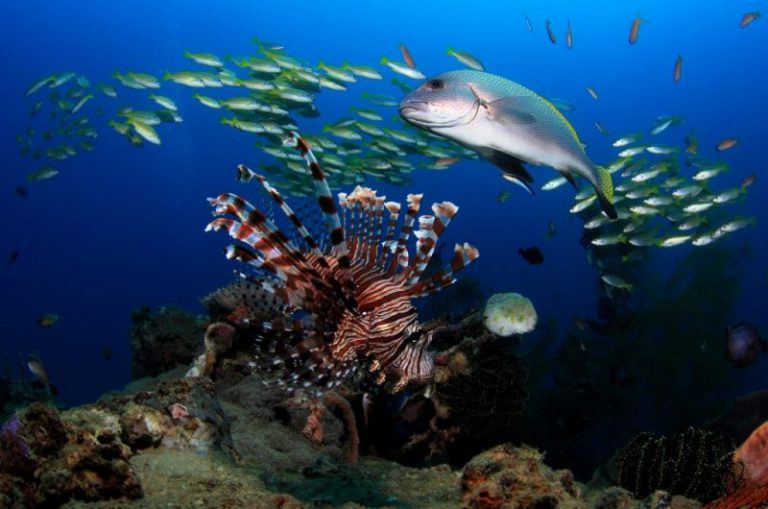
Coral reefs provide habitat for a large variety of marine life, including various sponges, oysters, clams, crabs, sea stars, sea urchins, and many species of fish. Coral reefs are also linked ecologically to nearby seagrass, mangrove, and mudflat communities, said the United States Environmental Protection Agency.
Healthy, Coral reefs are the most spectacular, diverse, and economically valuable marine ecosystems on the planet, Complex and productive, coral reefs are extremely important for biodiversity, providing a home to 35.000–60.000 species of plants and animals (over 25% of all marine life), many of which are not described by science.
Human-caused, or anthropogenic activities, are major threats to coral reefs ecosystem: “If the communities keep removing the coral reefs on a large scale, then it would threaten the fish reproduction and its life cycles,” Pires stressed.
He said human impacts are resulting in the destruction and degradation of coral reefs ecosystems to cause a loss in biodiversity and supply fundamental food for fish and other marine species: “If the destruction continues to be in a large scale, then there will be a significant reduction in the number of fishes in our water.”
“We don’t want to experience a coral bleaching crisis such as in Thailand. Therefore, it’s important to conserve our corals,” he said.
Therefore, the Government of Timor-Leste, through SoSE, allocated more than US$ 200.000 to the National Directorate of Biodiversity for the conservation and protection of Timor-Leste’s biodiversity in 2022.
Pires said the diversity of marine life and coasts protected and supported by coral reefs supply attractive conditions and ambiance for visitors, reef lovers, divers, and snorkelers.
He said therefore the authorities, particularly the government, particularly SoSE, is responsible for the protection and prevention of the ecosystems, and biodiversity.
According to article 6(f) of the Constitution of the Democratic Republic of Timor-Leste, the State shall protect the environment and preserve natural resources.
Government’s Decree-Law No. 6/2020 established the Legal Regime for the protection and conservation of biodiversity.
Meanwhile, based on article 6 of Timor-Leste’s Biodiversity Decree-Law 2012, the Secretary of State for the Environment is responsible for the formulation and revision of the strategies, plans, policies, and programs that support the conservation and restoration of biodiversity and the sustainable use of biological resources. SoSE serves as the national focal point for the Convention on Biological Diversity, it also coordinates the development, monitoring, and revision of the National Biodiversity Strategy and Action Plan and any implementing national programs on biodiversity conservation, and oversees their implementation, in coordination with stakeholders.
In addition, according to article 25 of the Decree-Law No 26/2012 of 4 july 2012 on coastal areas protection states:
- The State shall ensure integrated management of coastal areas as a basis for the conservation, protection, and sustainable use of sea resources, ecosystems and marine species.
- The establishment of an integrated management plan for coastal areas shall take into account the limits of natural processes and the long-term balance of environmental, economic, social, cultural, and recreational components, including:
- Control and prevention of pollution and the discharge of waste from land or maritime sources;
- Regulation of fisheries and aquaculture activities;
- The measures necessary for adaptation to climate change;
- Measures to respond to natural disasters;
- Measures to promote ecotourism.
- The use of explosives, poisons, or any other toxic substance is strictly prohibited during the use of marine ecosystems and species.
Timor-Leste is endowed with rich biodiversity, being home to a number of globally significant ecosystems and endemic species, and positioned in a global ‘biodiversity hotspot’. However, this biodiversity is under considerable pressure, with overexploitation and unsustainable use of biological resources, and habitat degradation, fragmentation, and loss caused by deforestation, land conversion, sustainable agricultural practices, mining of rivers and pollution, invasive alien species and climate change, all contributing to the loss of biodiversity.
Timor-Leste became a party to the Convention on Biological Diversity (CBD) in 2007.
Journalist: Filomeno Martins
Editor: Rafy Belo