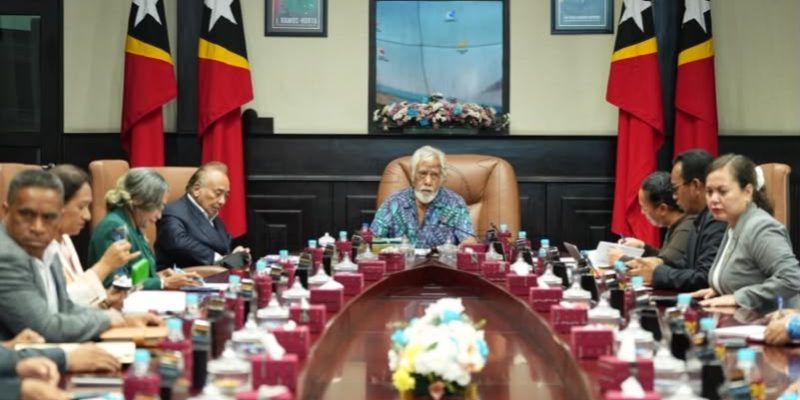



Gov-TL, UNICEF, and PERMATIL tackle climate change-related water shortages, with support from New Zealand
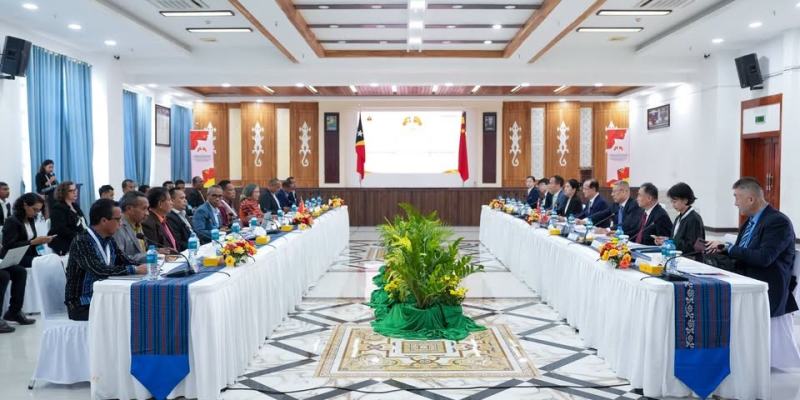
DILI, 22 july 2024 (TATOLI) – The Government of Timor-Leste, with support from the Government of New Zealand and the United Nations Children’s Fund, (UNICEF) today launched a US$1,077,778 (NZ$1.1 million) Climate Finance for Community Resilience Programme to improve access to water in 75 communities (aldeias) in Dili and Alieu.
This programme, implemented by local organisation, PERMATIL, will support inclusive, locally led approaches to improve water availability through nature bases solutions, benefitting more than 30,150 people in targeted areas.
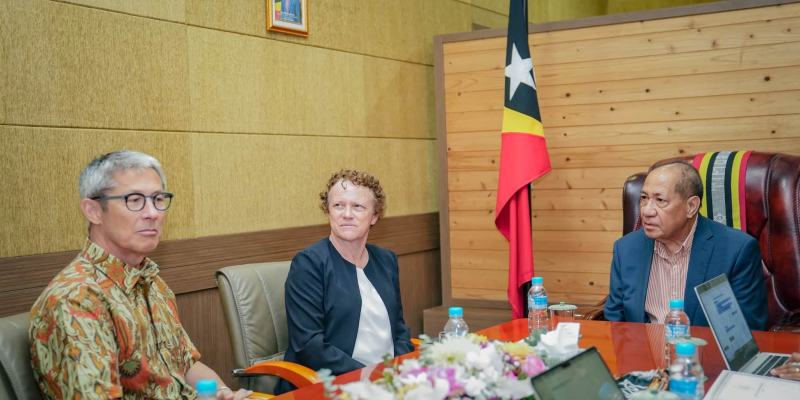
“New Zealand is pleased to support the Government of Timor-Leste’s priority to improve water access and availability, and strengthen climate resilience,” New Zealand’s Ambassador to Timor-Leste, Helen Tunnah said in a statement.
“We’re excited to be a part of locally led solutions and to working to improve the well-being of rural communities. This is an important partnership with the Government of Timor-Leste and Unicef, which will support many families.”
Over the last 20 years, Timor-Leste has made significant progress to improve access to water and Government commitment to provision of safe water to communities, has helped the country to edge closer to meeting the Sustainable Development Goal 6 – Ensuring access to water and sanitation for all by 2030.
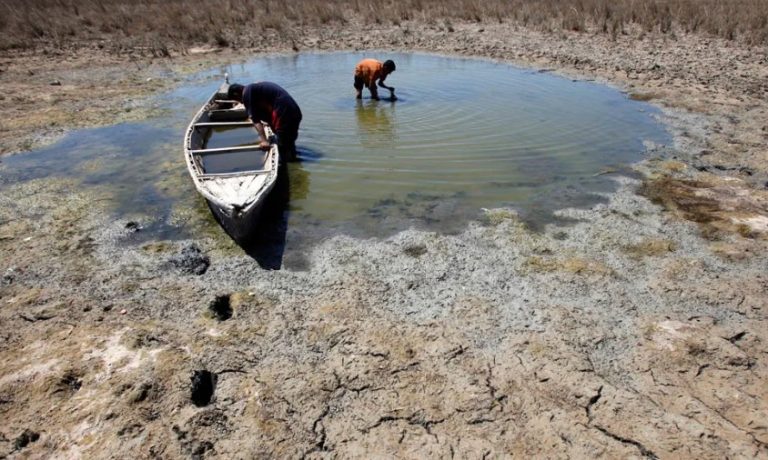
However, significant inequalities persist and an estimated 18 per cent of the rural population still do not access have access to an improved water source. Climate change impacts, including prolonged dry seasons, depleted rainfall patterns and high temperatures have worsened the already precarious situation by substantially reducing water availability in water sources.
The Climate Finance for Community Resilience Programme is therefore an important intervention, aimed at supporting Government efforts to address the urban-rural disparities in access to water that is available when needed.
“Water is life, and it is a basic requirement for children and their families to be healthy and thrive. The lack of safe water at community level, duty persistent issues in access, availability and quality, significantly increases the risks of water borne diseases, malnutrition, and reduced educational opportunities as children spend hours in search of clean water sources instead of learning. UNICEF therefore appreciates this huge investment towards improving water availability of existing water sources accessed by communities,” said UNICEF Representative, Patrizia DiGiovanni.
Over the next two-to-five years, the programme will support communities to adopt climate resilient water management systems through nature-based solutions such as the construction of earth dams, ponds and reservoirs, which will slow down water runoff, retain additional amount of water, increase levels of groundwater, and extend the period of time that water will be available to communities after the rainy season has finished. In addition, targeted communities will be equipped with the right skills and knowledge for them to build resilience and adaptation to climate change. Furthermore, the approach will be standardized with improved tools and materials making it scalable.
Journalist: Camilio de Sousa
Editor: Filomeno Martins