


Timor-Leste hosts the CPLP Forum to align the cooperation of global security challenges in ASEAN

DILI, 25 March 2025 (TATOLI) –Timor-Leste hosted the forum of the Community of Portuguese Speaking Countries (CPLP, acronym in Portuguese) Intelligence and Information Services, which took place on 24 to 26 March 2025, under the theme “Intelligence and Security Cooperation in the CPLP: Challenges and Opportunities in a Changing World”.
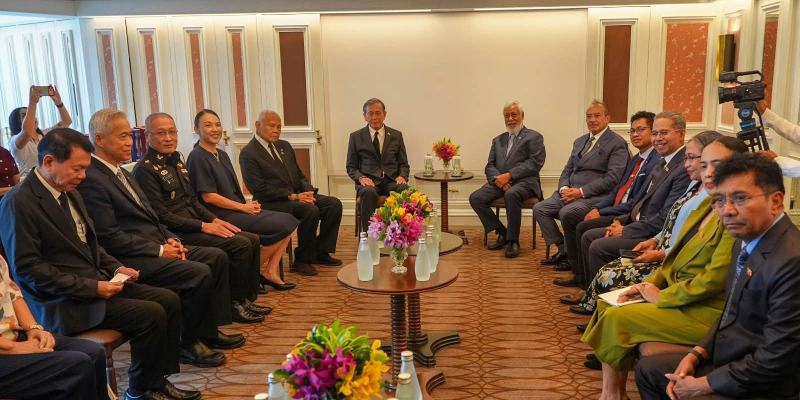
The event, organized on the sidelines of Timor-Leste’s Chairmanship of the Forum, took place at the Novo Turismo Hotel, bringing together the representatives from various CPLP and ASEAN member states, highlighting the importance of international cooperation in the sector of security and intelligence.
In the opening session, the Director General of the National Intelligence Service (SNI), Longuinhos Monteiro, highlighted the relevance of this forum, which marks a unique moment, with the meeting of two powerful intelligence communities, in a forum that reflects the geopolitical relevance of Timor-Leste and its growing responsibility in regional and global security.
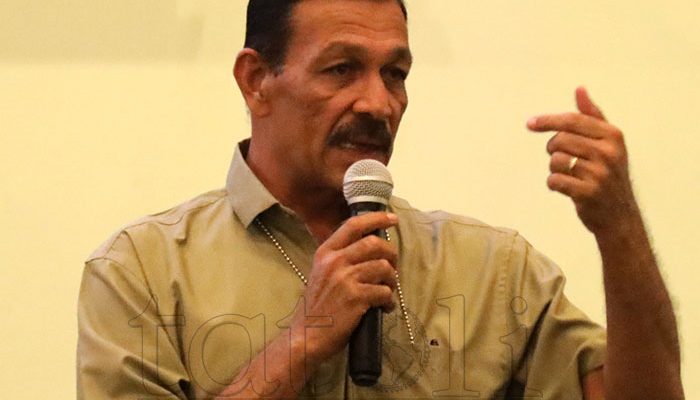
“Timor-Leste capitalized on the Forum’s leadership opportunity to act as a liaison between CPLP and ASEAN, thus enabling a more unified and effective approach to contemporary challenges,” he stressed.
He said the forum collectively represents 19 countries from several continents, reaffirming a collective commitment to global security, stability, and progress.
He also touched on the most complex threats facing the world, such as transnational organized crime, terrorism, human trafficking, disinformation, and new cyber threats.
Monteiro said that technological advances, on the one hand, drive economic growth and innovation; on the other hand, they pose significant risks that require a coordinated commitment between our countries. In this regard, he argued that CPLP-ASEAN cooperation can also create positive impacts in key areas, such as maritime security, critical infrastructure protection, and the fight against hybrid threats.
On cybersecurity, the Director-General defended the need for collective responses based on information sharing, joint training, and the establishment of common protocols, emphasizing that the growing interconnection between CPLP countries enables the building of integrated intelligence networks, which makes it possible to strengthen collective capacity to deal with common threats.
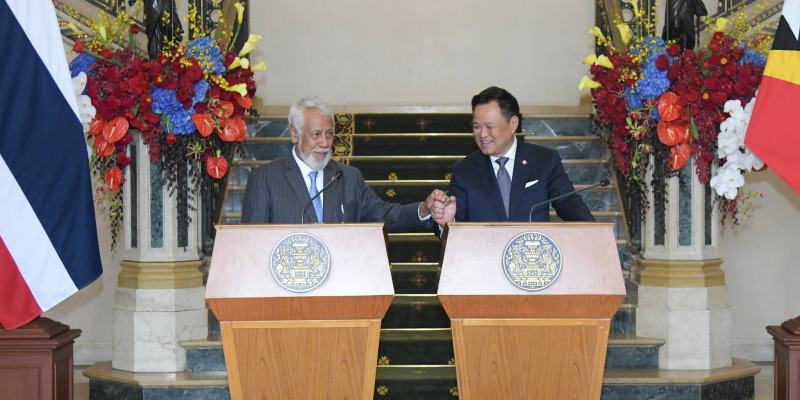
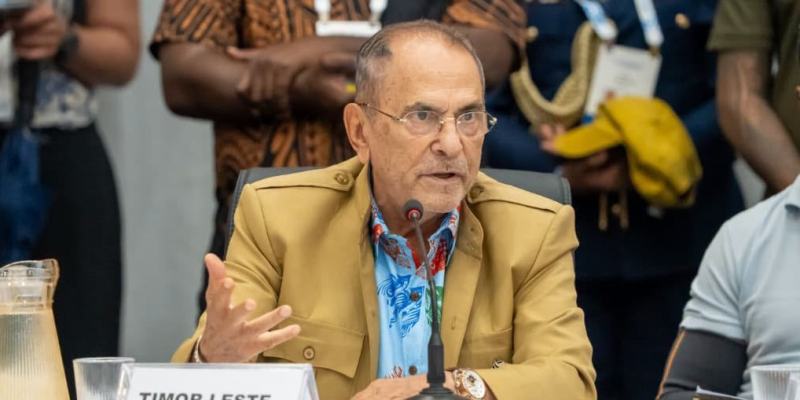
Meanwhile, Prime Minister Kay Rala Xanana Gusmão, in his speech welcoming the participants, highlighted the importance of cooperation between CPLP and ASEAN countries to face global challenges. “This meeting reflects a commitment to build a solid network of cooperation in the field of intelligence and security, which is fundamental in facing the global challenges that exist today,” he said.
The head of government also highlighted the need for coordinated action in the face of cyber and geopolitical threats that require innovation and effectiveness on the part of leaders and those responsible for national security.
Reliable, clear, and consistent information has never been more important. She stressed, emphasizing the negative impact of disinformation and the increasingly close links between economic, political, and social systems.
Gusmão defended the need for coordinated, effective, and innovative action to confront new technological advances, cyber threats, and geopolitical challenges.
“In this context, the partnership between CPLP and ASEAN can be an important vector to respond to international security challenges, particularly in combating transnational organized crime, terrorism, and new digital threats,” he said.
The prime minister also concluded his speech by reiterating his deep gratitude to all participants and Timor-Leste’s commitment to continue promoting dialogue and strategic cooperation in the intelligence and security sectors.
Journalist: Camilo de Sousa
Editor: Rafael Ximenes de A. Belo