


DILI, 22 May 2025 (TATOLI) – Timor-Leste authorities reported that 68 Timorese have fallen victim to human trafficking abroad in 2024.
The Director of Criminal Investigations of the Timor-Leste National Police (PNTL), Superintendent João Belo dos Reis, said that the majority of these victims were falsely recruited online and lured through fake job ads on social media.
“In 2024, we recorded 68 cases of human trafficking, with most victims sent to work in Malaysia, Cambodia, China, and Saudi Arabia,” Superintendent João Belo dos Reis told reporters on Wednesday in Dili.
He said some of the perpetrators involved in trafficking the victims are based in Timor-Leste and are working in collaboration with counterparts in Malaysia and other destination countries.
Belo said the victims were promised well-paid jobs overseas, but upon arriving in their destination countries, the situation drastically changed, and they were forced to work against their will.
As unemployment rises in the country, many unemployed Timorese youth are falling prey to false promises of decent work overseas.
Belo urged Timorese citizens, especially young people seeking employment overseas to “consult with family members, community leaders, and relevant authorities” before leaving the country to work abroad.
As most of the victims were sent to Malaysia, he warned young people to be cautious if someone tries to convince them to work there.
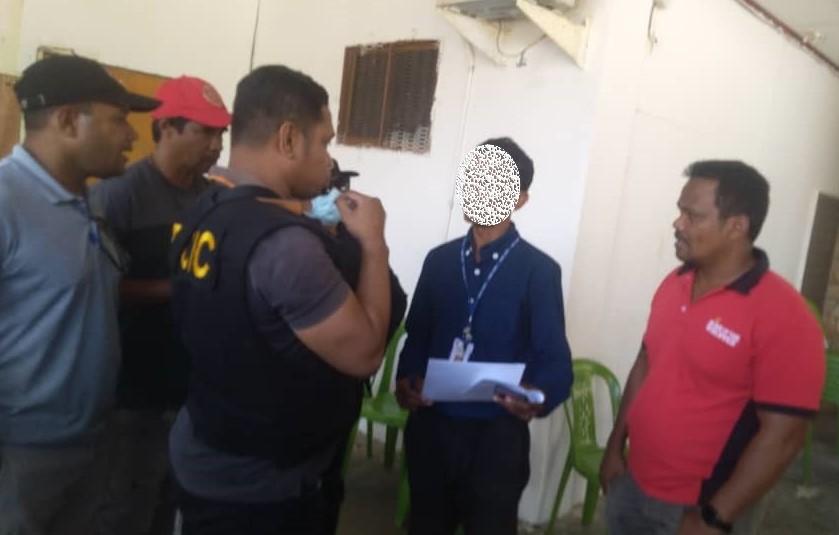
Belo recalled that recently, 14 Timorese women were falsely recruited by a female Timorese trafficker destined for Slovakia. “Thanks to close collaboration between the PNTL and INTERPOL, we were able to prevent the trafficking of these young women at the Timor-Leste–Indonesia border and safely return them to Dili. The female trafficker is now placed in preventive detention.”
Timor-Leste remains on Tier 2 in the U.S. State Department’s Trafficking in Persons (TIP) Report, indicating that while the government does not fully meet the minimum standards for the elimination of human trafficking, it is making significant efforts toward compliance.
“The government investigated two trafficking cases – one for sex trafficking and one for labor trafficking – involving 12 suspected traffickers, compared with eight trafficking investigations in the previous reporting period. The government continued two trafficking case investigations initiated in prior years – one for sex trafficking and one for labor trafficking. The government prosecuted seven alleged traffickers, compared with not prosecuting any traffickers in the previous reporting period,” read the report.
The report acknowledges progress in certain areas but underscores the need for stronger action to address persistent gaps and fully align with international anti-trafficking standards.
The report outlines key steps to combat human trafficking in Timor-Leste:
- Strengthen Law Enforcement: Vigorously investigate and prosecute trafficking cases, including those involving corrupt officials, and ensure traffickers receive significant prison sentences.
- Improve Victim Identification: Actively screen vulnerable groups—such as sex workers, detained foreigners, deportees, domestic workers, and migrant fishers—for trafficking indicators, and refer identified victims to appropriate services.
- Enhance Training: Provide or fund training for officials on using established procedures to identify and assist victims.
- Boost Public Awareness: Expand awareness campaigns targeting all forms of trafficking, especially in rural and at-risk communities.
- Clarify Law Enforcement Roles: Clearly define responsibilities among law enforcement agencies involved in trafficking investigations.
- Increase Victim Support: Allocate more funding for victim services, including support for male victims and those not involved in legal proceedings.
- Ensure Legal Access and Freedom of Choice: Give judges and prosecutors anti-trafficking laws in their native language; allow victims to choose shelters and the timing of their repatriation; inform them of their legal rights, including compensation.
- Support Coordination and Planning: Fund KLATU to finalize and implement the 2024–2029 National Action Plan, with involvement from the Labor Inspectorate.
- Improve Data and Coordination: Create a centralized database for trafficking cases to enhance information sharing and targeted responses across agencies.
- Regulate Labor Recruitment: Ban recruitment fees for workers and ensure these costs are covered by employers; screen government-affiliated Cuban workers for trafficking indicators.
TATOLI