


Timor-Leste celebrates successful Wolbachia Mosquitoes Release Program in Dili
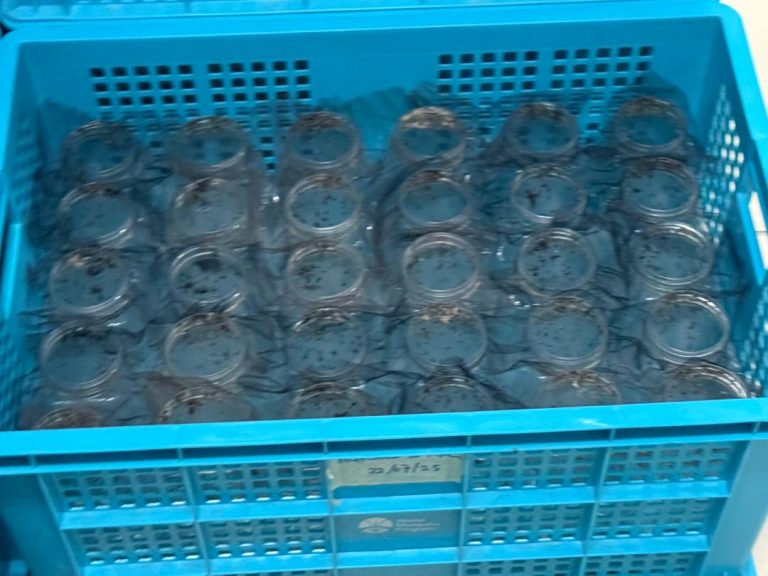
DILI, 17 March 2026 (TATOLI) — Timor-Leste on Tuesday celebrated the finalization of its Wolbachia mosquito release program in Dili, a major step toward reducing dengue and other mosquito-borne diseases.
The program, supported by Australia, MENZIES Timor-Leste, the World Mosquito Program, and Action on Poverty, uses naturally occurring bacteria to prevent mosquitoes from transmitting life-threatening viruses.
“Australia is very pleased to have supported the Ministry of Health in Timor-Leste to adopt this ground-breaking technology, developed in Australia, which uses naturally occurring bacteria to prevent the transmission of life-threatening viruses by mosquitoes,” said Deputy Ambassador of the Australian Embassy in Timor-Leste, Ed Wilkinson.
He highlighted that dengue continues to claim many lives annually, particularly among young children, and noted that 2026 has been especially challenging.
“We are all aware that dengue claims many lives each year. This year has been particularly challenging. I want to acknowledge the incredible annual burden that this disease brings for health care providers and the impact it has on the lives of families in Timor-Leste – particularly those with young children, who we know are most affected,” Wilkinson said.
The current significant dengue outbreak and the large numbers of infections and deaths, especially amongst young people, are a powerful reminder of the importance of the promise of the Wolbachia program.
The Wolbachia program has already achieved dramatic results in other countries. In Yogyakarta, Indonesia, dengue incidence dropped 77% and hospitalizations declined 86% following Wolbachia introduction.
“Wolbachia represents a durable, sustainable, climate-resilient and system-strengthening intervention. Once established, Wolbachia reduces the need for repeated, resource-intensive vector control measures and supports a shift from reactive outbreak response to preventative disease control,” Wilkinson added.
The initiative complements Timor-Leste’s recent achievement in malaria elimination and marks a significant step toward a dengue-free country.
“Building on Timor-Leste’s huge achievement of malaria elimination, today we celebrate moving closer to the goal of a dengue-free country too!” Wilkinson said.
He noted that extensive community education and socialization efforts were critical to the success of such transformative public health interventions and acknowledged that the process had not always been smooth, highlighting the challenges of combatting misinformation, especially when communities observed officials releasing mosquitoes rather than eradicating them.
Wilkinson extended his sincere congratulations to the Ministry of Health for achieving the milestone, specifically acknowledging DG Floriondo, Director Hector, Director Mateus, and the team at Dili Municipality Health Services, as well as community leaders and local authorities, for their hard work.
Vice-Minister for Institutional Strengthening of Health, José dos Reis Magno, congratulated all partners and stakeholders for their role in the program’s success.
“We extend our heartfelt thanks to MENZIES Timor-Leste, Action on Poverty, and the World Mosquito Program for their technical expertise and dedication. Our gratitude also goes to the government of Australia through DFAT, the Macquarie Group Foundation, and the Australian NGO Cooperation Program (ANCP) for their generous support,” Magno said.
He concluded: “Together we are taking an important step toward reducing mosquito-borne diseases and protecting the health of the Timorese people.”
Journalist: Camilio de Sousa
Editor: Filomeno Martins