


UNESCO recognizes Nino Konis Santana park as Timor-Leste’s first Biosphere Reserve
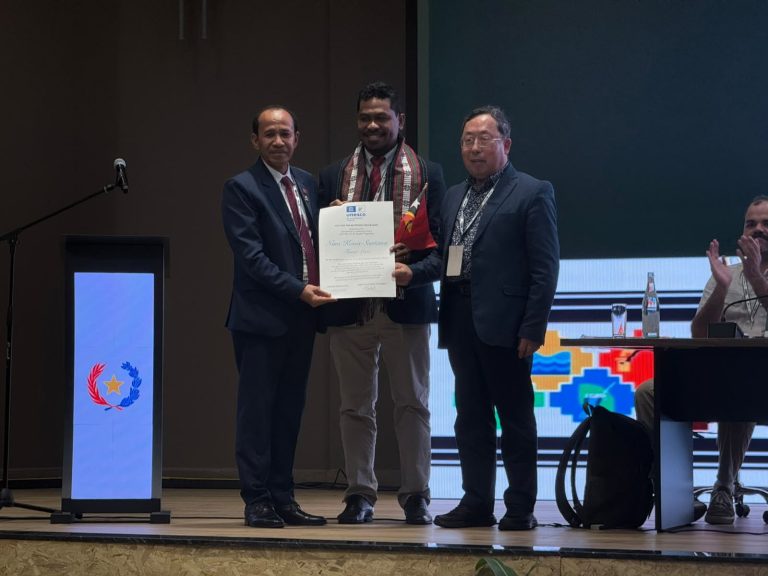
DILI, 06 June 2026 (TATOLI) – On 5 June, the Nino Konis Santana park, located in Lautein Municipality, was recognised by UNESCO as a member of its World Network of Biosphere Reserves under the Man and the Biosphere (MAB) Programme, where it will be known as the Nino Konis Santana Biosphere Reserve.
The designation was approved during the 38th Session of the International Coordinating Council of the Man and the Biosphere Programme (ICC-MAB), held at the Itaipu Biosphere Reserve in Hernandarias, Paraguay, from June 3 to 6.
The recognition marks Timor-Leste’s first entry into UNESCO’s World Network of Biosphere Reserves, placing the Southeast Asian nation among countries committed to balancing biodiversity conservation with sustainable development.
“By decision of the International Co-ordinating Council of the Man and the Biosphere Programme, Nino Konis Santana, Timor-Leste, has been designated for inclusion in the World Network of Biosphere Reserves,” a statement read.
The designation represents a landmark achievement not only for environmental protection but also for the country’s broader efforts to promote sustainable management of natural resources and enhance global partnerships.

“This approval is not only a victory for conservation, but also opens up new opportunities for international collaboration, scientific research, and sustainable development for the community,” said in a statement.
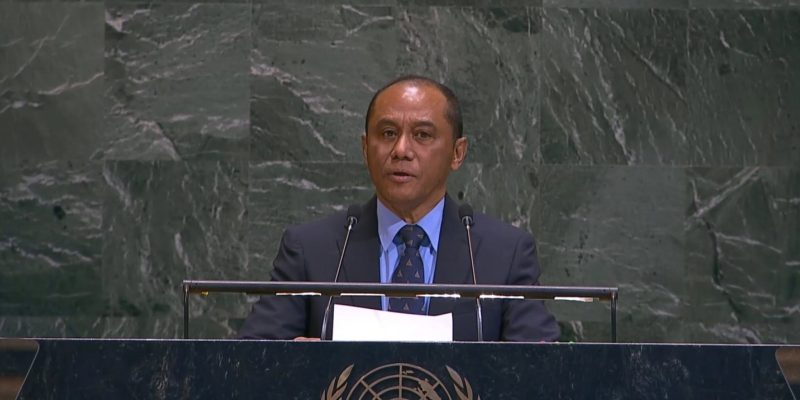
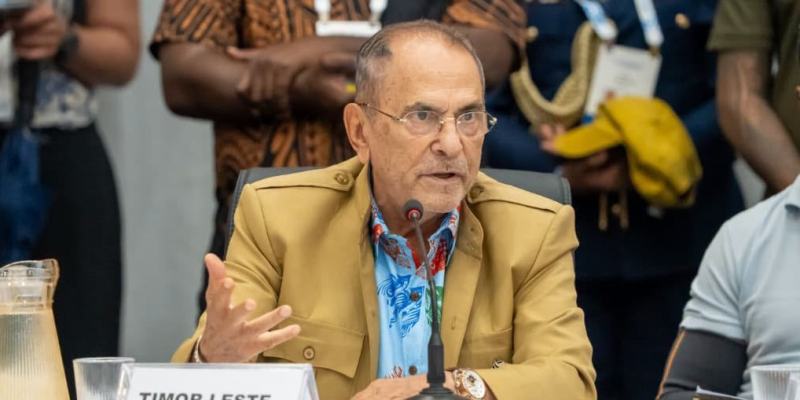
The Timor-Leste delegation, led by the Secretary of State for Forests, Fernandinho Vieira, attended the meeting alongside the Executive Secretary of the Timor-Leste National Commission for UNESCO (KNTLU), Luis Nivio, and other government representatives. The delegation witnessed the formal approval of the nomination by UNESCO member states.
Located in Lautem Municipality, the Nino Konis Santana Biosphere Reserve becomes the first site in Timor-Leste to receive the prestigious designation, underscoring its ecological significance and rich biodiversity.
The UNESCO recognition is expected to strengthen conservation efforts while creating new opportunities for international cooperation, scientific research, environmental education, and sustainable community development.
TATOLI