


DILI, 23 July 2026 (TATOLI) — Prime Minister Kay Rala Xanana Gusmão said on Thursday that the Timor-Leste government is strengthening its legal framework and expanding regional cooperation to combat cybercrime after a United Nations report warned of the rapid expansion of cybercriminal networks across Southeast Asia.
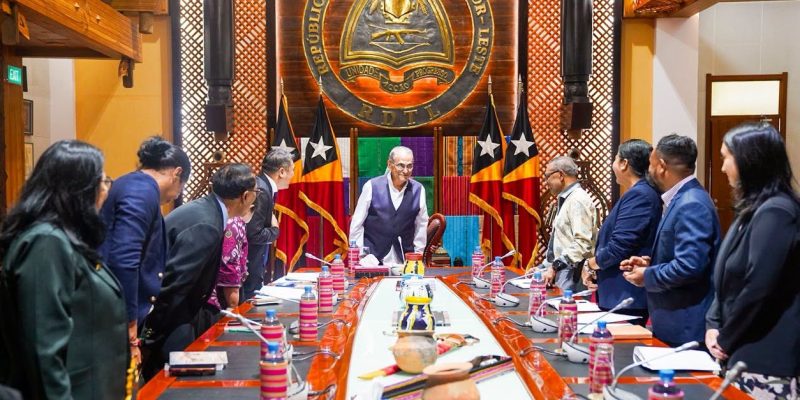
Speaking after his weekly meeting with President José Ramos-Horta, Gusmão said the government was working with relevant state institutions to strengthen legislation targeting cybercrime, including illegal online gambling.
His remarks followed a report by the United Nations Office on Drugs and Crime (UNODC), which identified Timor-Leste as one of the countries facing increasing exposure to cyber-enabled crime as criminal networks expand across the region.
“We have submitted a draft law to Parliament so that the Government will have the legal basis to approve a decree-law on cybercrime, as this problem has become a major global issue,” Gusmão said.
The prime minister said the report underscored the need for stronger national legislation and closer regional cooperation, reaffirming the government’s zero-tolerance policy toward cybercrime.
“The Government’s position is clear: we apply a zero-tolerance policy and will continue to strengthen cooperation with ASEAN countries to address this problem,” he said.
Gusmão also said some individuals suspected of links to cybercrime syndicates had entered Timor-Leste from Cambodia, adding that the issue had been discussed with the Chinese Embassy.
“The State does not lose revenue because of these activities, but Timor-Leste’s good name is damaged,” he said.
The government has intensified its crackdown on suspected cybercrime operations over the past year.
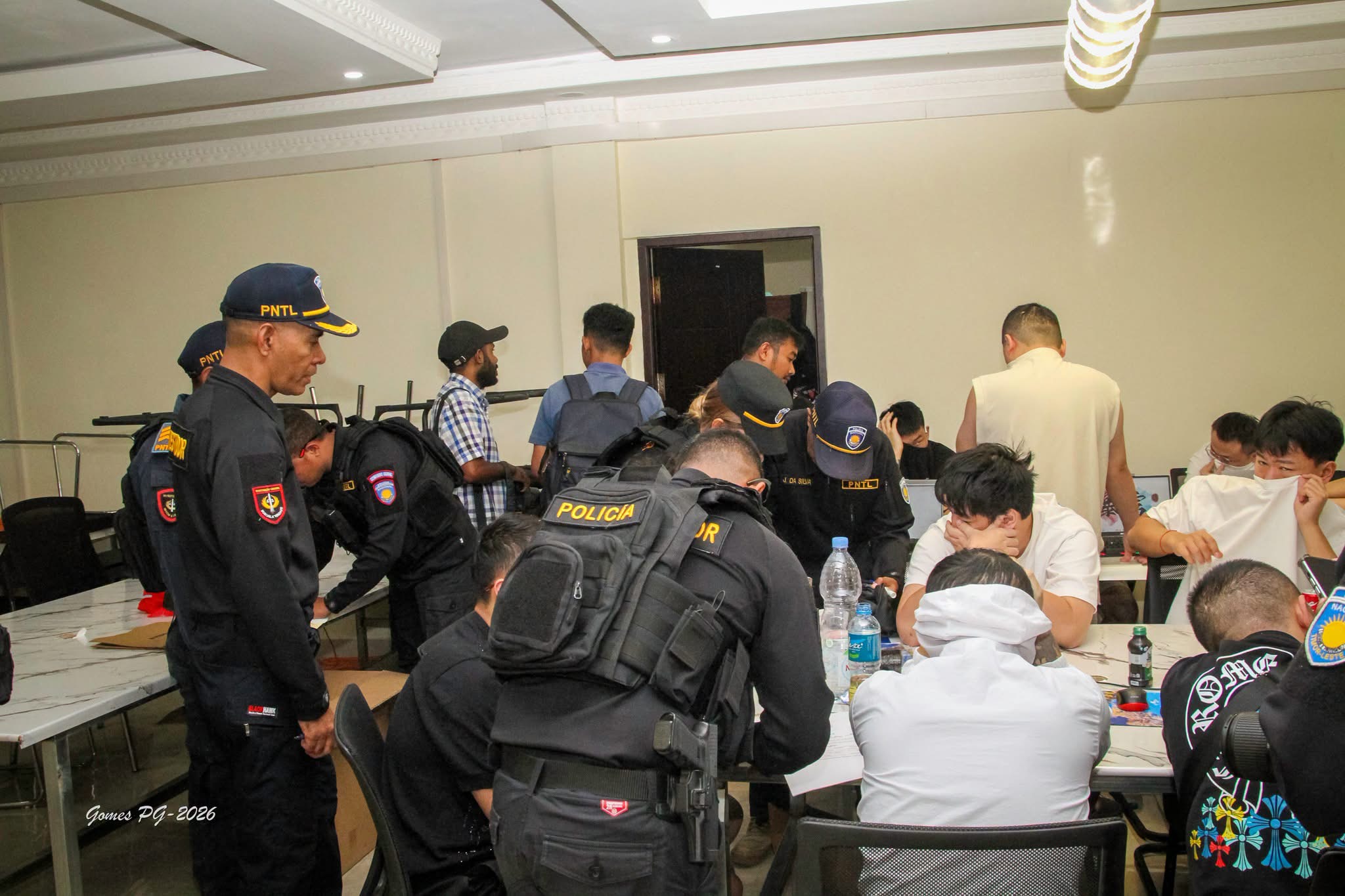
Between August 2025 and mid-July 2026, the National Police of Timor-Leste (PNTL) dismantled several suspected online scam centres in Oé-Cusse, Dili—including Colmera, Manleuana, Metiaut, Bebonuk and Kampung Baru—and in the Liquiçá municipality, including Tíbar and Ulmera.
The operations led to the arrest of 342 foreign nationals, most of them from China, Indonesia and Cambodia. Police also seized hundreds of computers, mobile phones and other telecommunications equipment allegedly used in the operations.
Most of the suspects remain in pretrial detention. Authorities have confiscated their passports, and each suspect has been ordered to post bail of US$3,000 while investigations continue into alleged offences including money laundering, criminal association and cyber fraud.
The UNODC has warned that cyber-enabled criminal syndicates are increasingly shifting their operations across Southeast Asia, exploiting jurisdictions with developing regulatory frameworks and posing growing challenges for law enforcement agencies throughout the region.
Timor-Leste has responded by pursuing legislative reforms and strengthening cooperation with ASEAN partners to prevent the country from becoming a base for transnational cybercrime.
TATOLI